Women's Casual Apparel Guide
The umbrella category that fills most of the closet — relaxed pieces for real life, sorted so building a wardrobe stops feeling random.
Shop Women's Casual Apparel Now
Shop Women's Casual Apparel on Amazon Shop Women's Casual Apparel on eBayThe Amazon and eBay links on this page are affiliate links. If you make a purchase through them, Apparel Search may earn a commission.
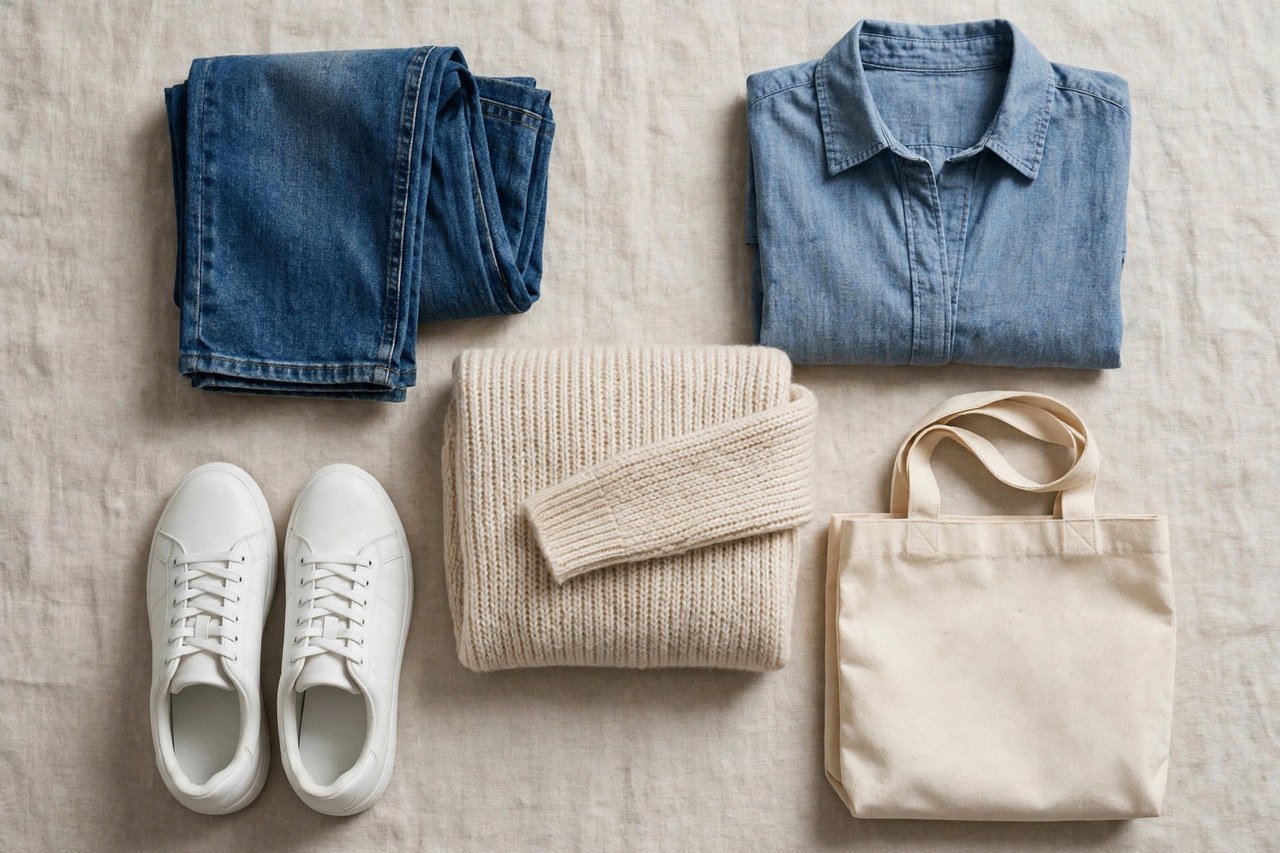
Casual apparel is the broad umbrella for clothing designed for relaxed, everyday life rather than for the office dress code, a formal event, or a workout. It covers the jeans and knit tops you wear to the market, the soft dresses kept for weekends, the shorts, capris, and casual pants that rotate through warm months, and the light jackets and cardigans that finish an outfit without stiffening it. The defining test is intent: a piece counts as casual apparel when comfort, easy care, and versatility matter more than structure or ceremony. That breadth is exactly why the category can feel shapeless when you shop it. Thinking of it as a system — bottoms, tops, dresses, layers, and shoes that interchange freely — turns a pile of separate purchases into a wardrobe that actually gets worn, which is the organizing idea behind this guide.
The Core Categories, Piece by Piece
Start with bottoms, because they anchor most casual outfits. Jeans in two or three washes, one pair of casual trousers or chinos, capris or cropped pants for warm weather, and a casual skirt give you a base for nearly any top. Tops form the largest group: tees, casual shirts, knit tops, camisoles for layering, and light sweaters. Dresses earn their place when they are truly throw-on styles — jersey, sundress, and shirt dress shapes you would wear for errands, not guests-only frocks. Layers include cardigans, denim and utility jackets, hoodies, and casual blazers that add polish without formality. Shoes complete the category: sneakers, canvas shoes, flats, sandals, and casual boots. If a new purchase cannot pair with at least three pieces already in these groups, it is probably a novelty, not casual apparel doing its job.
Fabrics That Earn Their Keep
Everyday clothing gets washed, sat in, carried in tote bags, and worn again before the week ends, so fabric choice matters more here than in occasion wear. Cotton and cotton blends dominate for good reason: they breathe, soften with washing, and forgive a wide range of care routines. Denim provides structure and abrasion resistance for bottoms, while jersey knits give tops their drape and stretch. Linen and linen blends shine in summer for their airflow, accepting wrinkles as part of the look. Modal, Tencel, and rayon blends add silkier drape to tees and dresses, though they prefer gentler washing. For layers, look for midweight knits that hold their shape at elbows and hems, and for jackets in canvas, twill, or denim that improve with wear. A small amount of elastane — one or two percent — helps casual pants and jeans keep their fit through a full day without bagging at the knees.
Choosing for Your Actual Lifestyle
The most common casual wardrobe mistake is buying for an imagined life: picnic dresses for someone who hikes, white trousers for a household with muddy dogs. Audit a normal fortnight first. Count school runs, desk-from-home days, walks, lunches, and evenings out, then weight your purchases toward the activities that dominate. Climate deserves the same honesty — a wardrobe built for a long winter needs heavier layers and closed shoes, while a hot-climate closet lives in breathable dresses, shorts, and sandals. Fit in casual apparel should allow a full range of ordinary movement: sitting on the floor, reaching a high shelf, bending to tie a shoe. If a piece needs adjusting every few minutes, it will migrate to the back of the closet regardless of how it looked in the mirror. Buy the size that lets you forget you are wearing it.
Building a Small Capsule That Works
A capsule approach suits casual apparel perfectly because the pieces are meant to interchange. Choose a loose palette of three neutrals — say denim blue, white, and olive, or black, grey, and blush — then add two accent colors you genuinely love. With that discipline, twelve to fifteen pieces can produce weeks of distinct outfits. Spend proportionally more on the items worn closest to daily view and hardest in use: jeans, everyday shoes, and the jacket you reach for automatically. Rotate in inexpensive seasonal pieces, like a printed sundress or a striped tee, to keep the capsule from feeling like a uniform. Photograph five outfits you liked on your phone; on uninspired mornings, that small album ends decision fatigue faster than any new purchase. The capsule is not a rule to suffer under, just a filter that stops near-duplicate buys.
Care, Rotation, and Knowing When to Replace
Casual clothes die from over-washing more often than from wear. Jeans need washing only when they are dirty or stretched out; tees and knit tops last longer washed cold, inside out, and dried on low heat or a line. Keep two pairs of everyday shoes and alternate days so the cushioning recovers and moisture dries fully. Mend early: a re-sewn button or a patched pocket corner costs minutes, while a neglected tear usually ends the garment. Retire pieces honestly when collars grey, elastic gives up, or pilling survives a fabric shaver — worn-out casual clothing reads as untidy no matter how relaxed the setting. Store off-season categories in clean, dry bins with a note on top listing what is inside, so next season starts with a wardrobe you remember rather than a surprise you re-buy by accident.
Related Women's Guides
Photos

More to Explore on Apparel Search
Looking for Women's Clothing Stores?
This guide helps you choose women's casual apparel by style, fabric and fit. To browse where to buy, visit our women's clothing store directory, where you can find retailers that carry them.