Women's Cotton Guayabera Shirt Guide
Four pockets, fine pleats, and a century of Caribbean and Mexican tradition — the guayabera is warm-climate dressing at its most dignified.
Shop Women's Cotton Guayabera Shirts Now
Shop Women's Cotton Guayabera Shirts on Amazon Shop Women's Cotton Guayabera Shirts on eBayThe Amazon and eBay links on this page are affiliate links. If you make a purchase through them, Apparel Search may earn a commission.
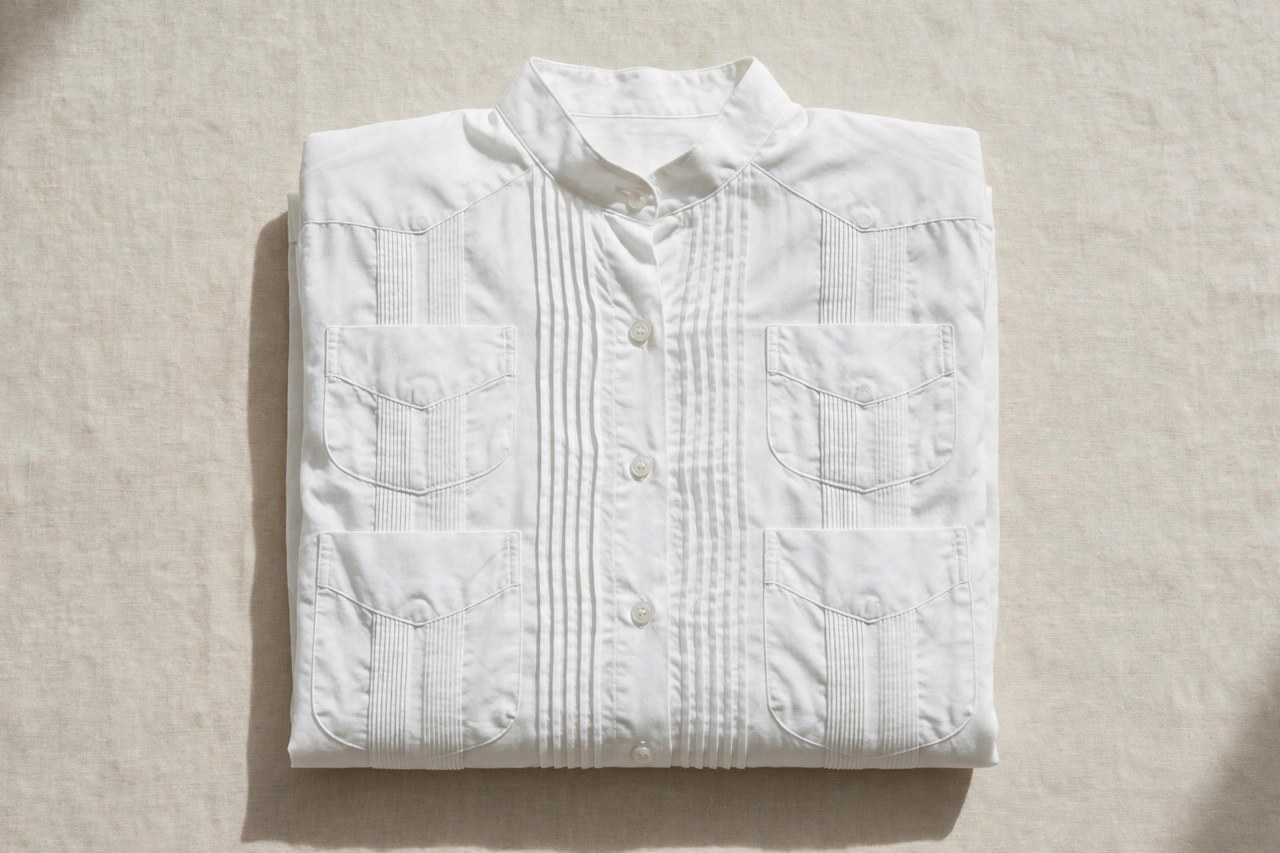
The guayabera is one of the few shirts in the world with an official role: in Cuba, Mexico, and across the Caribbean and Latin America, this four-pocket, pleated shirt serves as formal wear for hot climates, accepted at weddings, government occasions, and celebrations where a suit jacket would be misery. Its design is instantly recognizable — two or four patch pockets, vertical rows of fine pleats called alforzas running down the front and back, a straight hem worn untucked, and often embroidery tracing the pleat lines. Women's guayabera shirts adapt that heritage with shaped waists and softer details while keeping the architecture intact. In cotton, the shirt gains easy care and a slightly crisper body than the traditional linen versions. This guide covers where the guayabera comes from, how to recognize a well-made one, and how women wear it from beach weddings to summer evenings.
Heritage: Cuba, Mexico, and the Guava Story
The guayabera's origins are debated with affection in two countries. Cuba claims the shirt from the Sancti Spíritus region, where a nineteenth-century version with generous pockets became the working and then the ceremonial shirt of the island; one beloved story derives the name from guayaba, the guava fruit the pockets supposedly carried, while another credits a riverbank seamstress and her husband's request for more pockets. Mexico's Yucatán peninsula developed its own distinguished guayabera tradition, refining the pleats and embroidery to a high standard and making the shirt the region's formal signature.
Anatomy: Pockets, Pleats, and the Straight Hem
Four pockets define the classic form: two at the chest and two larger ones at the hips, each usually finished with a buttoned flap or a neat pleat, and sized in the originals to be genuinely useful. Running vertically beside the pockets are the alforzas — tight rows of tiny pleats, sometimes a dozen or more in a panel — which give the shirt its structure, its ventilation channels, and its unmistakable texture. Embroidery often traces the pleat panels and pocket edges on dressier versions. The hem is straight and vented at the sides so the shirt is always worn untucked and falls cleanly over trousers; a guayabera tucked in is a guayabera misunderstood. Buttons were traditionally distinctive, and the collar is a soft, open style rather than a stiff dress collar. In women's versions, look for the same elements with a shaped body: the pleats and pockets should scale to the frame rather than simply shrinking a men's shirt, and waist shaping should work with, not against, the straight hem.
Cotton Versus Linen Guayaberas
Linen is the ancestral fabric and still the most prestigious: it breathes superbly, holds the pleats with a crisp hand, and carries the soft wrinkles of natural flax that wearers accept as part of its character. Cotton guayaberas trade a measure of that airy prestige for practical advantages many women prefer. Cotton poplin or broadcloth versions press sharper, wrinkle more forgivingly, cost less, launder without fuss, and feel smoother against the skin than linen's textured weave. Cotton-linen blends split the difference and are common in good women's styles. Whichever fabric you choose, the cloth must have enough body to hold pleats and pocket shape; a flimsy, drapey fabric cannot carry the architecture, which is why voile and lawn guayaberas do not exist. White is the ceremonial classic, followed by ivory and pale pastels; brighter colors exist for festive wear. Judge by the pleats: on a quality shirt they are even, parallel, and stitched to lie flat wash after wash.
Women's Adaptations and Formal Warm-Climate Styling
Women's guayabera shirts keep the heritage details and adjust the silhouette: gentle waist shaping, a slightly higher hip pocket placement, darts where needed, three-quarter or short sleeves alongside the traditional long and short options, and occasionally softer embroidery in place of the most austere pleat-only fronts. Worn as intended — untucked, over slim trousers, a straight skirt, or tailored shorts — the shirt carries a dignity that few warm-weather garments match, which is exactly why it anchors beach and garden weddings across the Caribbean: guests and wedding parties in guayaberas look ceremonial in photographs and comfortable in the heat. For formal occasions choose white or ivory cotton with embroidery, pressed pleats, and neat trousers or a long skirt.
Care: Keeping Pleats and Embroidery Crisp
A guayabera's pleats are its pride, and care is mostly about protecting them. Wash in cool water on a gentle cycle, buttoned, and consider a mesh bag for embroidered versions so the stitching does not snag. Avoid high dryer heat, which sets wrinkles into pleat folds in the wrong places; instead, remove the shirt while damp and hang it by the shoulders. Ironing is the ritual step: press on a cotton setting, working along the pleat panels so each alforza lies flat and parallel, and press pockets flat beneath their flaps. This takes a few extra minutes and returns the shirt to ceremony condition; a steamer can refresh pleats between full pressings but cannot fully replace the iron. Store hung, not folded, so pleats keep their lines, and give white cotton guayaberas an occasional brightening wash without chlorine bleach, which yellows cotton over time. Cared for this way, a cotton guayabera stays wedding-ready for years.
More to Explore on Apparel Search
- about French cuffs
- benefits of clothing made from cotton fabric
- Clothes
- Clothing Retail Stores
- Cotton
- Cotton Definition
- Cotton News
- Fashion
- Fashion Designers
- Guayabera Shirt Stores
- men's guayabera shirt wholesalers
- Men's Guayabera Shirts
- Organic Cotton
- Popular Brands
- shirt styles
- What is a Guayabera Shirt?
- Women's Clothing Stores
- Women's Clothing Wholesalers
- Women's Cotton Clothing
- Women's Fashion
Photos

Looking for Women's Clothing Stores?
This guide helps you choose women's cotton guayabera shirts by color, embroidery and style. To browse where to buy, visit our women's clothing store directory, where you can find retailers that carry them.