Women's Plus Size Footwear Guide
Plus size footwear means wide and extra-wide widths, extended sizes, real arch support and roomier ankle and calf openings — fit measured in width and volume, not just length.
Shop Women's Plus Size Footwear Now
Shop Women's Plus Size Footwear on Amazon Shop Women's Plus Size Footwear on eBayThe Amazon and eBay links on this page are affiliate links. If you make a purchase through them, Apparel Search may earn a commission.
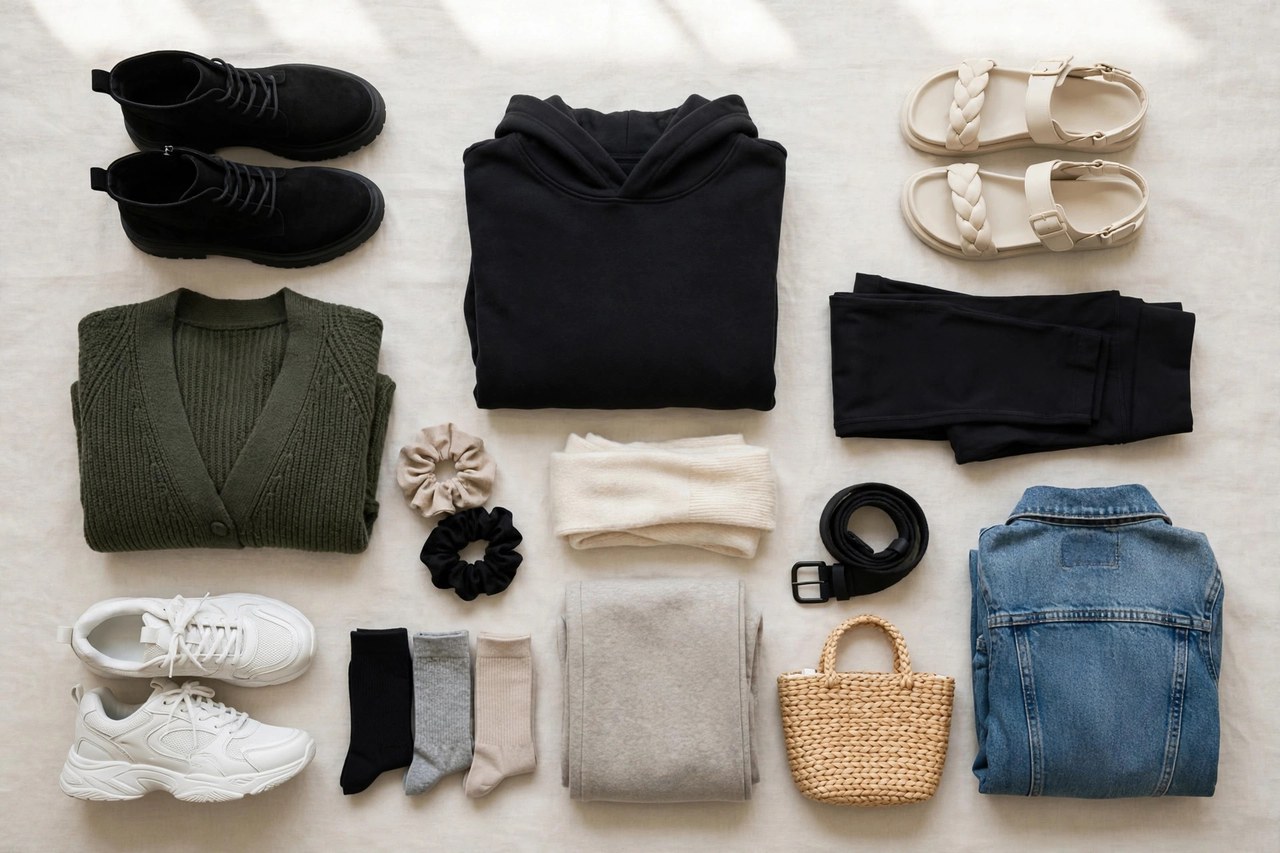
Footwear is where the phrase plus size changes meaning. In shoes, it rarely refers to clothing size at all: it means wide widths, extra-wide widths, extended length sizes and higher-volume lasts — the fit dimensions that fuller bodies, and the feet that carry them, most often need. Feet spread under load and across a lifetime, and many plus size women also have naturally wider feet, fuller ankles or wider calves. A shoe range that stops at a medium B width simply does not contain their size, whatever the length chart says.
This guide covers the whole footwear category: how width sizing works, the support construction that matters when a shoe carries more weight, and the fit specifics of each family from walking shoes to wide-calf boots to sandals. The separate shoes and boots guides go deeper on individual styles; here the aim is the measurement system and the buying checks that apply to every pair. Comfortable, well-fitted footwear is not a luxury purchase — it is the foundation every other fit in this section stands on.
Width, Volume and Extended Sizes Explained
Women's shoe widths run from narrow (AA) through medium (B) to wide (W or D) and extra wide (WW, EE or XW), with each step adding roughly three-eighths of an inch of girth around the ball of the foot, plus volume through the instep and toe box. Wide lasts are not medium shoes stretched: the sole itself is wider, the toe box is deeper and rounder, and the heel is usually kept proportionally narrower so the foot gains room where it spreads without slipping where it should be held.
Extended sizes matter at both ends of the chart: many wide-width ranges run to size 12 or 13 in women's lengths, because wider feet are often longer feet too. Measure both feet, late in the day when feet are at their largest, and fit to the larger one. The numbers to record are length size, width letter, ball girth if a brand offers it, and — for boots — calf circumference at its fullest point.
Support and Cushioning Under Real Load
Support construction matters more as load increases, and plus size shoppers should read a shoe's specification the way they would a mattress's. Look for a firm heel counter that holds the rearfoot stable, a shank or structured midsole that stops the shoe twisting through the arch, cushioning that is dense rather than merely soft — foams that bottom out in a month transfer every step to the joints — and a removable insole, which lets you substitute a supportive orthotic or a higher-grade footbed without changing shoes.
Arch support should match your arch, not a slogan: high, structured arches under a flat foot ache as surely as flat insoles under a high arch. Flex the shoe in hand; it should bend at the ball, where your foot bends, and resist folding in the middle. Outsoles with real tread and a slightly wider base add stability, and a low, broad heel is steadier than a narrow one of the same height.
Category Fit Notes: Boots, Sandals, Heels and Flats
Boots add the calf question: wide-calf styles typically start around a 16-inch shaft circumference and run past 20 inches, often with elastic panels or adjustable straps adding an inch of grace. Check also the ankle opening and shaft height against your leg. Sandals in wide widths need straps placed so the foot does not overhang the footbed edge — overhang is a width failure, not a style — plus adjustable straps over the instep, because summer feet swell. Footbeds with molded arch support beat flat fashion soles for any real walking.
Heels and dress shoes in wide fittings should be chosen by forefoot room first, since body weight shifts forward onto the ball; a platform or block heel redistributes it kindly. Flats and loafers fail plus shoppers most often at the topline, cutting across a fuller instep, so look for deeper vamps and elasticated or adjustable uppers. Athletic shoes deserve a specialty fitting where possible: running and walking lasts in wide and extra-wide, with stability features for pronation, are the highest-value footwear purchase in most plus wardrobes.
Measuring, Buying and Care
Shop shoes in the afternoon, try them with the socks or hosiery you will wear, and walk on a hard floor, not just carpet, which flatters every shoe. There should be a thumb's width of space beyond the longest toe in closed shoes, no heel slip of more than a few millimeters, and no pressure point you are hoping will stretch away — leather uppers ease modestly in width, but length, seams and synthetic uppers barely move.
Care extends fit as well as looks: unlace fully, use shoe trees or stuffing to hold the wider last in shape, let athletic foams rest a full day between wears, and resole or replace before the midsole collapses unevenly, which changes how the whole leg aligns. Keep your measurements — length, width and calf — with your clothing sizes.
Related Women's Guides
More to Explore on Apparel Search
- Women's Footwear Guide
- Plus Size Clothing
- Plus Size Clothing Stores
- Shop for Plus Sizes
- Women's footwear
- Women's Wide Width Shoes
- Women's Wide Shoe Retailers
- women's footwear retailer
- Lane Bryant
- Avenue
- fashion
- trendy
- stylish
- plus size fashion model
- plus size fashion definition
- Women's Shoes
- Fashion Designers
- Popular Brands
- Apparel
- Women's Clothing Stores
- Women's Clothing Wholesalers
- Women's Fashion
Looking for Women's Clothing Stores?
This guide helps you choose women's plus size footwear. To browse where to buy, visit our women's clothing store directory, where you can find retailers that carry them.