Women's Safety Work Boots Guide
A women's safety work boot is personal protective equipment first — a protective toe, a puncture-resistant midsole and a rated sole decide whether it belongs on your site.
Shop Women's Safety Work Boots Now
Shop Women's Safety Work Boots on Amazon Shop Women's Safety Work Boots on eBayThe Amazon and eBay links on this page are affiliate links. If you make a purchase through them, Apparel Search may earn a commission.
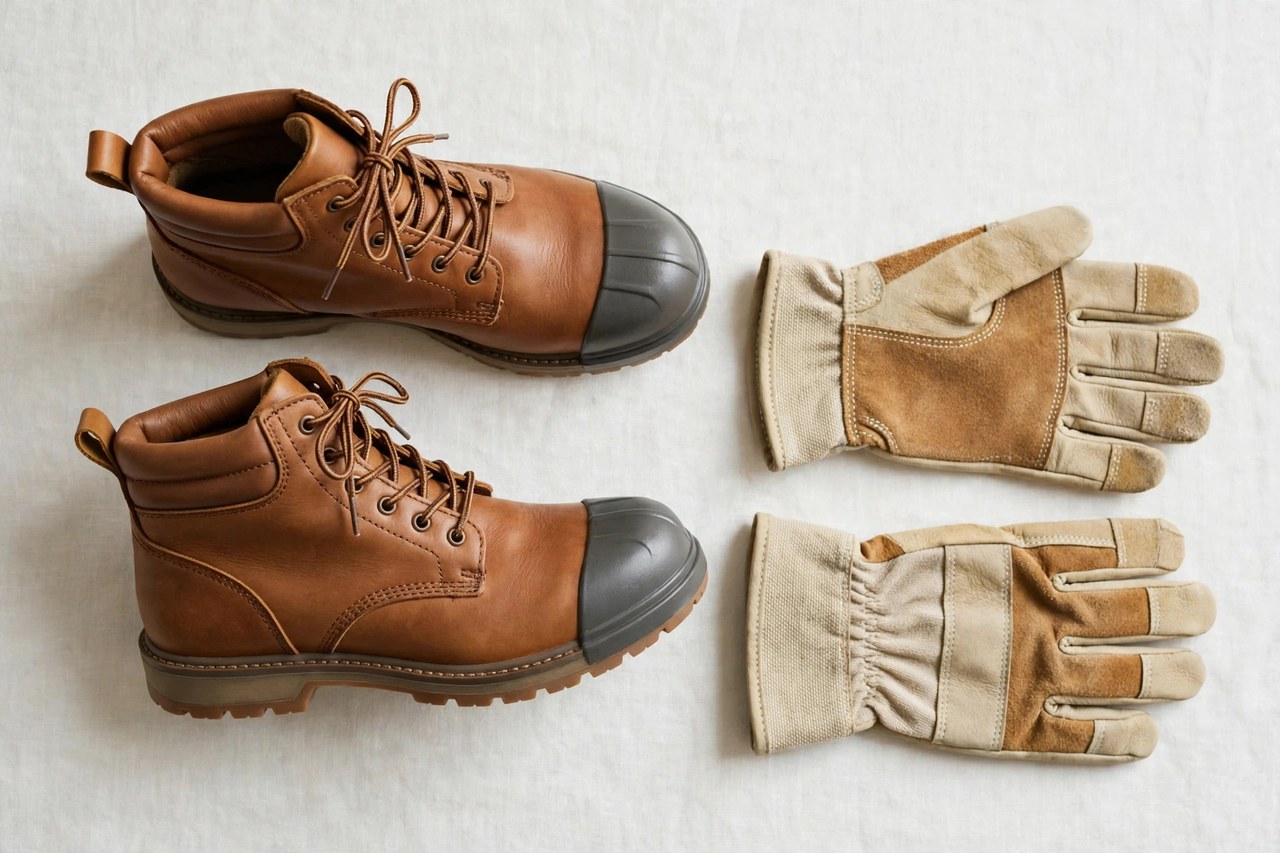
A pair of safety boots is personal protective equipment (PPE) for foot protection at work, not simply a sturdy boot. Work boots are made to be stable and protective, and safety footwear now comes in many styles, including sneakers and clogs, plus more formal styles for supervising engineers who must visit sites where protective footwear is mandatory. This guide stays on the boot form — coverage, ratings and fit for long shifts.
A steel-toe boot, also called a safety boot, steel-capped boot or safety shoe, has a protective reinforcement in the toe that protects the foot from falling objects or compression, usually combined with a midsole plate to protect against punctures from below. Buying well means matching those protections to the hazards actually named in your workplace assessment, rather than choosing by color or by how rugged a boot looks in a product photo.
Toe Caps: Steel, Composite, Aluminum and TPU
Although toe caps were traditionally made of steel, the reinforcement can also be made of a composite material, a plastic such as thermoplastic polyurethane (TPU), or aluminum. Steel is strong, proven and usually the least expensive, but it is heavier and conducts cold and electricity. Aluminum is lighter while keeping a slim profile. Composite and TPU caps do not conduct electricity or set off metal detectors as readily, which matters in security-screened and electrical environments.
No material is best in isolation. Check the rating the finished boot carries, not just the cap material, and check toe room: a safety cap should never press the top or sides of your toes. Women-specific lasts matter here, because a scaled-down men's boot often leaves too much volume over the instep while still crowding the toes under the cap, producing both heel slip and toe discomfort on the same shift.
Midsoles, Soles and Hazard Ratings
The midsole puncture plate guards against nails and sharp debris underfoot, in steel or flexible composite forms. Around it, read the sole for the other ratings your work needs: slip resistance on wet or oily floors, electrical hazard protection, static dissipation, heat resistance, and insulation. A deep, self-cleaning lug helps outdoors on mud and gravel but can track debris indoors; a flatter, siped tread usually grips polished concrete and tile better.
Uppers and height are part of protection too. Leather resists abrasion and sparks best, waterproof membranes suit wet work, and a higher shaft supports the ankle and keeps out debris. Metatarsal guards, chainsaw ratings and chemical resistance are specialist features — add them only when your hazard assessment names them, because each adds weight and cost you will carry for every step of every shift, in every season.
Fit and Sizing for Long Shifts
Try safety boots late in the day, in your work socks, when feet are at their largest. You should be able to wiggle your toes under the cap, your heel should stay seated when you walk, and there should be no pressure across the widest part of the foot. Steel-toe boots are important in the construction industry and in many industrial settings, where a full shift of standing makes small fit errors into injuries of their own by week two.
Break boots in on short duties before a full shift if you can, and rotate two pairs if your budget allows, letting each dry fully between wears. Replace insoles before replacing boots when comfort fades — the protective shell often outlasts the cushioning. If your employer requires a specific rating, keep the product documentation; a boot whose rating cannot be evidenced may not count as compliant PPE, however protective it feels.
Care, Inspection and When to Replace
Inspect safety boots weekly: crushed or exposed toe caps, cracked midsoles, separated soles and cuts through the upper all retire a boot immediately, even if it still feels comfortable. A cap that has taken a major impact should be replaced, not trusted again, because the damage that absorbed the blow may not be visible from outside. Clean leather, condition it away from direct heat, and dry wet boots slowly at room temperature.
Store boots upright, unfastened and aired, not in a sealed locker while damp. Check laces, eyelets and pull loops before they fail on shift. Record purchase date and rating where you can, and re-check your employer's requirements each year, because standards and site rules change. Properly chosen and maintained, a women's safety boot is the rare purchase where comfort and compliance point in exactly the same direction: fit first, rating confirmed, no shortcuts.
Related Women's Guides
Photos

More to Explore on Apparel Search
- Women's Boots Guide
- Women's Shoes
- Women's Footwear
- Women's Shoe Stores
- Women's Footwear Guide
- Footwear Definitions
- Shoes
- PPE
- Women's work boots
- Women's Athletic Shoes
- Women's Casual Shoes
- Women's Dress Shoes
- Women's Sandals
- Women's Trend Shoes
- Fashion
- Clothing Retail Stores
- Fashion News
- Fashion Designers
- Popular Brands
- Apparel
- Women's Clothing Stores
- Women's Clothing Wholesalers
- Women's Fashion
Women’s Clothes Guide by Letter: Women's Apparel Directory N · Women's Clothes Directory O · Women's Clothing Directory P · Women's Apparel Directory Q · Women's Fashion Directory R · Women's Clothes Directory T
Looking for Women's Clothing Stores?
This guide helps you choose women's safety work boots. To browse where to buy, visit our women's clothing store directory, where you can find retailers that carry them.