Women's Work Boots Guide
Women's work boots are protective boots for workplaces: safety toes in steel or composite, puncture-resistant midsoles, electrical-hazard and slip-resistant ratings, in leather, built on women's lasts rather than shrunk men's patterns.
Shop Women's Work Boots Now
Shop Women's Work Boots on Amazon Shop Women's Work Boots on eBayThe Amazon and eBay links on this page are affiliate links. If you make a purchase through them, Apparel Search may earn a commission.
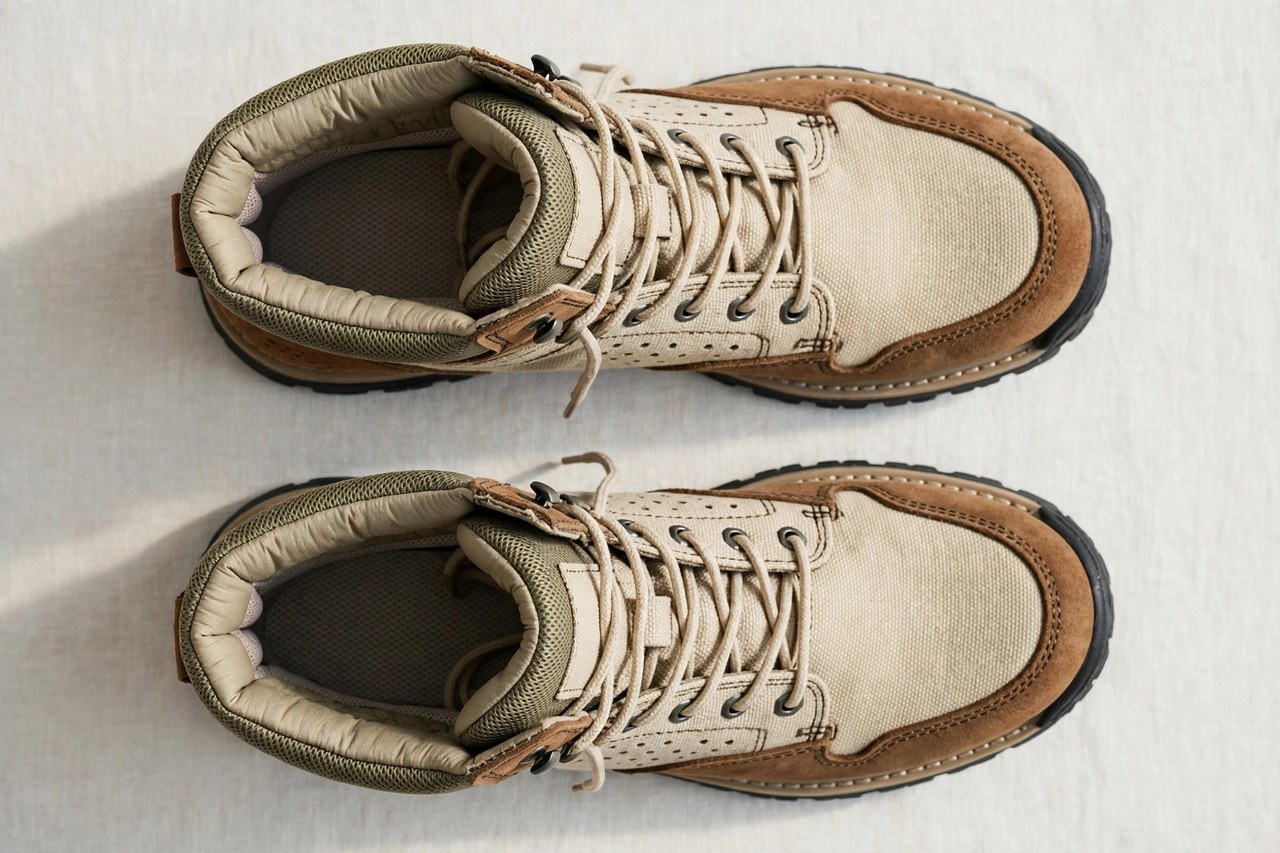
Women's work boots are protective boots for workplaces: safety toes in steel or composite, puncture-resistant midsoles, electrical-hazard and slip-resistant ratings, in leather, built on women's lasts rather than shrunk men's patterns. A work boot is rated protective equipment, so this guide covers the safety standards and markings to verify, toe-cap choices, fit for a full shift on hard floors, and the break-in and care that a leather safety boot needs.
This guide covers work boots in the order a careful buyer needs it: what the product is made from, how it is constructed, how it should fit, how to choose it for real use, and how to care for it so it lasts. Apparel Search has published guides to women's clothing for decades, and this rebuilt page keeps the subject focused — measurable details, named materials and checks you can perform in a shop or on a parcel's arrival, rather than general fashion language.
Leather, Shaft and Sole Construction
A boot is a shoe with a shaft, and both halves have their own specifications: uppers in full-grain or corrected leather, suede, rubber or synthetics; shafts that must stand, flex at the ankle and fit the calf; and soles in lugged rubber, leather or moulded units, attached by stitching, cement or moulding.
The joins tell the quality story: a stitched welt or storm-welt resists water and allows resoling, cemented soles are lighter but finite, and shaft seams at the back or side decide where the boot flexes and rubs. Check for a standards marking inside the boot — an ASTM-rated label states the toe protection, puncture resistance and electrical rating the boot was actually tested to; a boot that merely looks protective is fashion, not PPE. Flex the boot at the ankle, read the sole's tread compound, and check that the shaft stands without collapsing when empty.
Foot Fit and Shaft Fit
Fit boots in the socks they will serve with, at day's end: toes free with a centimetre of length, instep held so the heel lifts only slightly with each step, and no pressure across the forefoot. Boot lasts run differently from shoe lasts in the same brand, so measure and try rather than assuming your shoe size transfers.
The shaft is the second fitting: its circumference at your calf's widest point, its height against your leg, and its behaviour seated as well as standing. A shaft that fits standing can dig behind the knee sitting, and one that is perfect bare-legged may refuse the jeans you planned to tuck in — bring the intended legwear to the fitting.
Choosing Boots by Job
Choose work boots by the job in a fixed order: weatherproofing and insulation the climate demands, sole grip for the surfaces involved, shaft height and fit for the leg and use, and only then style. In practice, rank these checks in the order your own use demands — frequency of wear first, then weather, washing facilities and budget — because that order differs by wardrobe, and it is the real reason two careful buyers can correctly choose differently from the same rail.
Judge price by leather grade, sole construction and lining: full-grain leather, a stitched sole unit and a real lining are the durable specification, and a boot built that way can be resoled and reheeled into a decade of service — the arithmetic that separates an expense from an investment.
Care, Drying and Storage
Clean boots after wear, especially salt and mud, which dry leather and stain suede; dry them slowly at room temperature with trees or paper inside, never on a radiator. Condition leather when it looks dry, proof suede and fabric, and let rubber boots live out of sunlight.
Store boots standing, with shapers or rolled magazines in the shafts so they do not fold and crack at the ankle. Have heels and soles renewed before wear reaches the welt or the midsole — timely cobbling is the cheapest part of a boot's life, and the most commonly skipped.
Common Questions
Steel toe or composite toe — which is better?
Both meet the same impact standards. Steel is slimmer and cheaper; composite (carbon fibre, Kevlar, plastic) is lighter, does not conduct cold or electricity, and passes metal detectors. For outdoor winter work composite feels warmer; for the slimmest fit in a small boot, steel still wins.
Should work boots be bought a size larger?
Buy your true size on a women's last, fitted at the end of a shift with work socks, leaving room for toes under load without the heel swimming. Lace-up work boots adjust through the day as feet swell; a boot bought big and padded with thick socks blisters more, not less.
How do I break in leather work boots without blisters?
Wear them for short indoor periods first, lace firmly at the instep, and use proper work socks from day one. Condition the leather lightly to soften it. If a hot spot appears, stop and protect it — a blister in a safety boot becomes a week of limping, so break them in before the first full shift.
Related Women's Guides
More to Explore on Apparel Search
- F
- Women's Shoe Stores
- Where to Shop for Shoes
- Women's Footwear Guide
- Women's Shoes
- Footwear Definitions
- Shoe Search
- Fashion Videos
- Fashion Calendar
- Celebrity Fashion
- Women's non-safety work boots
- Women's safety work boots
- Fashion Designer Directory
- Women's Athletic Shoes
- Women's Casual Shoes
- Women's Dress Shoes
- Women's Sandals
- Women's Trend Shoes
Women’s Clothes Guide by Letter: Women's Clothes Directory T · Women's Fashion Directory U · Women's Clothes Directory V · Women's Clothing Directory X · Women's Clothes Directory Y · Women's Clothes Directory Z
Looking for Women's Clothing Stores?
This guide helps you choose women's work boots. To browse where to buy, visit our women's clothing store directory, where you can find retailers that carry them.