Women's Work Gloves Guide
Women's work gloves are protective gloves sized for women's hands: leather driving and ranch gloves, cut- and puncture-resistant work gloves, insulated winter work gloves, and disposable or coated general-purpose gloves for handling work.
Shop Women's Work Gloves Now
Shop Women's Work Gloves on Amazon Shop Women's Work Gloves on eBayThe Amazon and eBay links on this page are affiliate links. If you make a purchase through them, Apparel Search may earn a commission.
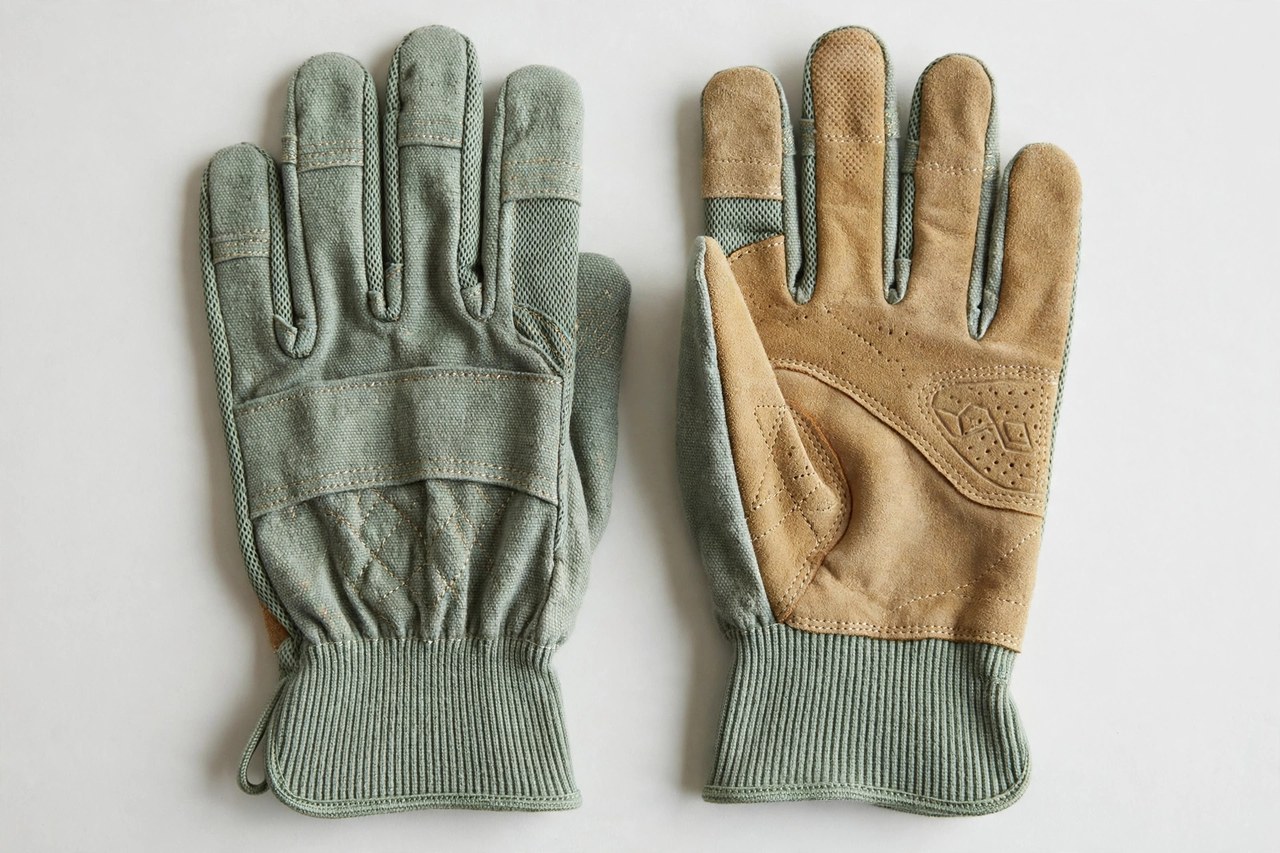
Women's work gloves are protective gloves sized for women's hands: leather driving and ranch gloves, cut- and puncture-resistant work gloves, insulated winter work gloves, and disposable or coated general-purpose gloves for handling work. Gloves fail at the fit before the material, so this guide covers women's glove sizing and why unisex 'small' is not the same thing, leather and coated fabrics by task, cut-resistance ratings, and inspecting seams and palms for wear.
This guide covers work gloves in the order a careful buyer needs it: what the product is made from, how it is constructed, how it should fit, how to choose it for real use, and how to care for it so it lasts. Apparel Search has published guides to women's clothing for decades, and this rebuilt page keeps the subject focused — measurable details, named materials and checks you can perform in a shop or on a parcel's arrival, rather than general fashion language.
Leather, Coated Fabrics and Ratings
Work gloves divide by protection: leather (cowhide for abrasion, goatskin for dexterity, pigskin that stays soft when wet) for handling and ranch work; knitted gloves with latex, nitrile or PVC coatings for grip and wet work; engineered yarns with steel or glass fibre for cut resistance; and insulated builds that layer thermal linings under work shells.
Ratings make the category honest: cut levels under ANSI or EN 388, abrasion and puncture scores, and thermal ratings are printed on serious products and tested by standard methods. Glove sizing runs on hand circumference around the knuckles: a women's medium is commonly 7 to 7.5 inches — measure, because a glove loose in the fingers destroys the dexterity it was bought to protect. A work glove with no stated rating is a fashion glove in work colours — the label, not the look, is the protection.
Hand Measurement and Dexterity
Size gloves by hand circumference around the knuckles, matched to the maker's chart: the glove should close fully without the fingertips pressing the ends, and the seams should sit where the hand's own creases are. Women's patterns narrow the palm and shorten the fingers relative to unisex sizing, which is where the dexterity difference comes from.
Test the working grip, not the handshake: pick up the tools, fasteners or materials of the actual job. A glove that cannot pick a screw from a bench will be taken off for the fiddly part of every task — and gloves protect only while worn, so dexterity is a safety specification.
Matching Glove to Task
Choose work gloves by the task in a fixed order: the worst hazard honestly present (cut, puncture, cold, wet, abrasion), rating to cover it, fit for dexterity, and only then price per pair. In practice, rank these checks in the order your own use demands — frequency of wear first, then weather, washing facilities and budget — because that order differs by wardrobe, and it is the real reason two careful buyers can correctly choose differently from the same rail.
Judge price against replacement rhythm: gloves are consumables with a working life, and a better glove that lasts three cheap pairs is cheaper and safer. Buy the rating the work needs, in the fit that keeps them on, and replace on wear signals rather than on a calendar.
Drying, Cleaning and Inspection
Dry work gloves slowly and naturally — leather hardens and cracks on heat, coatings perish — and brush or rinse dirt out before it grinds into the material. Leather benefits from occasional conditioning; coated and cut-resistant gloves wash by their labels and lose rating if abused with solvents or heat.
Inspect gloves as equipment: palms and thumb crotches for thinning, seams for parting, coatings for cracking. A glove retired at the first hole has done its job; a glove worn through is a hazard wearing a costume. Keep a spare pair so inspection never argues with the day's schedule.
Common Questions
Why buy women's work gloves instead of small unisex ones?
Women's patterns are cut with narrower palms and shorter fingers in proportion, so the glove's grip zones and seams land where the hand actually works. A men's small is usually the same width with shorter fingers only, leaving the palm baggy and the seams in the wrong places.
What do cut-resistance ratings mean?
Ratings (ANSI A1 to A9 in the US, EN 388 levels in Europe) measure the force needed to cut through the material with a blade. Everyday handling sits at A2–A3; sheet metal and glass work needs A4 and up. Higher cut resistance usually costs dexterity, so match the rating to the sharpest thing you actually handle.
How do I make leather work gloves last?
Let them dry slowly when wet — never on heat, which hardens leather — brush off dirt, and condition occasionally to replace the oils work strips out. Inspect the thumb crotch and fingertips, where gloves wear through first; once the leather is paper-thin there, the glove's protection is gone.
Related Women's Guides
More to Explore on Apparel Search
Women’s Clothes Guide by Letter: A · B · C · D · E · F · G · H · I · J · K · L · M · N · O · P · Q · R · S · T · U · V · X · Y · Z
Looking for Women's Clothing Stores?
This guide helps you choose women's work gloves. To browse where to buy, visit our women's clothing store directory, where you can find retailers that carry them.