Women's Speedo Swimwear Guide
Speedo swimwear means performance swimwear from the sport's best-known brand — training and racing suits built for laps, lessons and competition rather than the beach towel.
Shop Women's Speedo Swimwear Now
Shop Women's Speedo Swimwear on Amazon Shop Women's Speedo Swimwear on eBayThe Amazon and eBay links on this page are affiliate links. If you make a purchase through them, Apparel Search may earn a commission.
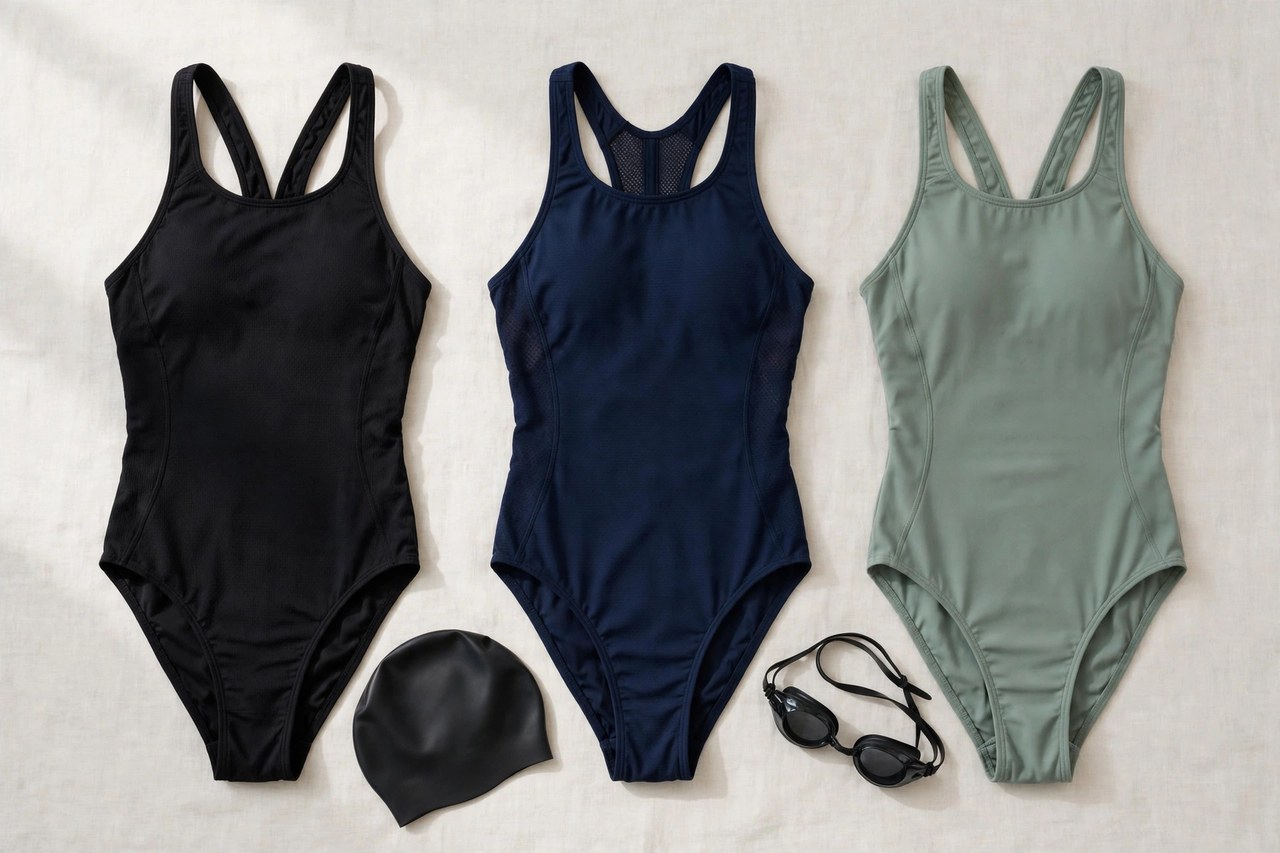
Speedo is a brand, and this page is the brand-aware exception in a swimwear guide otherwise organized by garment type. Founded in Australia in 1914 by Alexander MacRae and named for the Speedo slogan and its swimwear line, the company became so identified with serious swimming that its name is used generically for racing-style suits. When swimmers say they are buying a Speedo, they mean a suit built for training and competition: close-fitting, durable and designed to stay put through thousands of strokes. The brand's own site is speedo.com.
This guide stays generic-brand-aware, as the category requires: it explains what distinguishes performance-brand swimwear from fashion swimwear, the main suit families such a brand sells, how its sizing differs from dress sizing, and how to choose and care for a suit bought for exercise. The construction topics covered elsewhere here — spandex fabrics, strap engineering — apply, but the emphasis is on swimming as a sport.
Training, Fitness and Racing: The Suit Families
A performance brand sorts its suits by use. Training and fitness suits are the core: one-piece suits in durable chlorine-resistant fabric, moderate leg cuts and secure backs, made to be worn several times a week for lap swimming, aqua fitness and lessons. Racing suits are tighter, lighter and built from low-drag fabrics for competition days, with a fit that takes minutes to put on and is not meant for long sessions. Leisure and learn-to-swim lines soften the formula with more coverage and easier fits.
Back design is the visible shorthand for intended use. Open and cross-back styles maximize shoulder freedom for strokes; higher, closed backs and wide straps maximize security and coverage for fitness classes and teaching. Leg height runs from conservative cuts to the higher racing cut. Two-piece training suits exist for easy changing during long sessions. Reading the family first — training, racing, leisure — prevents the classic error of buying a racing suit for daily laps and hating it by the second week.
Fabrics and Endurance Lines
Performance brands compete on fabric endurance. Their chlorine-resistant lines — Speedo's is called Endurance+, and rival brands sell equivalent technologies — use polyester-rich or specially engineered elastane blends that hold fit and color far longer in chlorinated water than ordinary nylon-spandex fashion suits. For a swimmer in the pool three times a week, that difference is the difference between a suit lasting a season and a suit lasting a month, and it justifies the training line's plain appearance.
Racing fabrics go the other way: maximum compression and minimum drag, minimum lifespan. Water-repellent finishes, bonded seams and high-elastane woven panels are consumable technology at the top of the sport. The rest of the kit follows the same logic: molded training goggles for daily use, racing goggles for competition, and silicone caps that outlast latex. Buy the endurance tier for your calendar and the racing tier for your race day, and do not ask either to do the other's job.
Sizing a Performance Suit
Performance suits are sized by torso measurement and numeric suit sizes, not by dress size, and they are meant to fit far more snugly than a beach suit. The key measurement is the torso loop — over the shoulder and through the legs — because a suit that is too short in the torso pulls at the shoulders no matter what the bust size says. Between sizes for training, choose the one that feels secure without restricting breathing; for racing, the correct size genuinely feels too tight on dry land.
A new training suit should feel snug in the shop and will relax slightly in the water; if it feels comfortable and roomy dry, it will bag when wet. Check that straps stay seated through a full stroke motion, that the leg openings grip without biting, and that the suit passes the bend test without shifting. Keep your training and racing sizes written down — they are brand-specific numbers, and reordering accurately is one of the real conveniences of staying with a performance brand's system.
Care for a Swimmer's Suit
Chlorine is the working environment and the enemy. Rinse the suit in cool fresh water immediately after every swim, wash occasionally by hand with a gentle or suit-specific wash, and never machine wash, wring hard or tumble dry — heat and agitation destroy elastane faster than the pool does. Dry in shade, flat or draped, and rotate two training suits so each rests a day between sessions for the fibers to recover.
Store suits away from sunlight and do not leave them balled in a swim bag, the classic slow death of good swimwear. Accessories follow the same regime: rinse goggles without rubbing the anti-fog coating, and rinse caps before storing them dusted so the silicone does not stick to itself. Treated this way, an endurance training suit delivers the long service its fabric promises — which is the whole reason swimmers buy from a performance brand in the first place.
Related Women's Guides
More to Explore on Apparel Search
- Fashion
- Clothing Retail Stores
- Fashion News
- Fashion Designers
- Popular Brands
- Apparel
- Women's Clothing Stores
- Women's Clothing Wholesalers
- Women's Fashion
- Women's Swimwear Stores
- Women's Wholesale Swimwear
- Women's Swimwear Guide
- Swimwear News
- Women's Swimwear Store
- Fashion Videos
- Fashion Calendar
- Celebrity Fashion
- Fashion Designer Directory
Women’s Clothes Guide by Letter: Women's Apparel Directory N · Women's Clothes Directory O · Women's Clothing Directory P · Women's Apparel Directory Q · Women's Fashion Directory R · Women's Clothes Directory T
Looking for Women's Clothing Stores?
This guide helps you choose women's Speedo swimwear. To browse where to buy, visit our women's clothing store directory, where you can find retailers that carry them.