Women's Sportswear Guide
Sportswear began as an American word for relaxed, mix-and-match separates — day and evening clothes with an easy, athletic ease, not clothing for playing a sport.
Shop Women's Sportswear Now
Shop Women's Sportswear on Amazon Shop Women's Sportswear on eBayThe Amazon and eBay links on this page are affiliate links. If you make a purchase through them, Apparel Search may earn a commission.
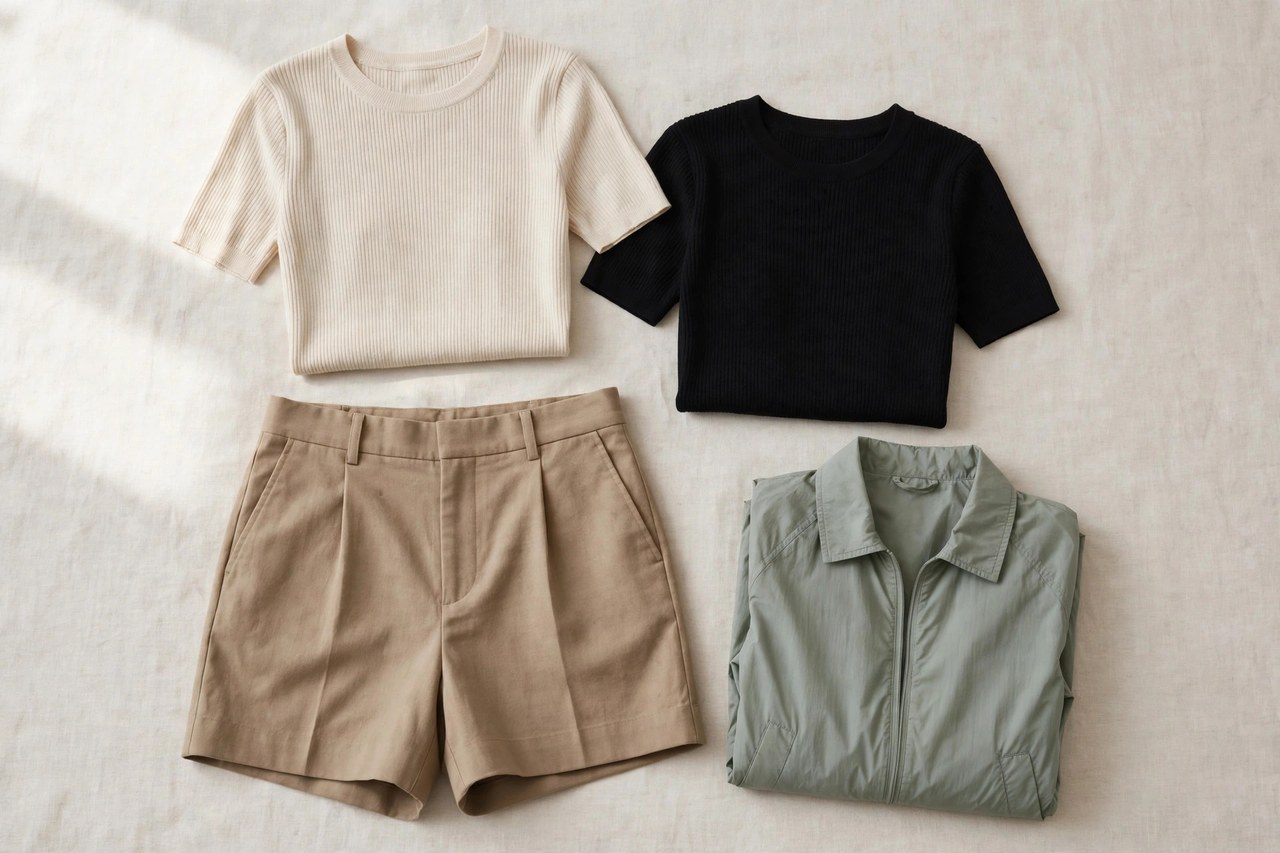
Sportswear is one of the most misunderstood words in women's clothing, because it sounds like it means clothes for sports. The term is not necessarily synonymous with activewear, which is clothing designed specifically for participants in sport. Sportswear is an American fashion term originally used to describe separates, and since the 1930s it has been applied to day and evening fashions of varying formality that show a relaxed approach to design while staying appropriate for a wide range of social occasions.
That distinction is central to this guide. It explains what fashion sportswear actually is — coordinated separates built for mixing — how it differs from performance activewear, which pieces define the category, and why the boundary between the two has blurred in modern wardrobes. If you are shopping for gym, run or court clothing, that is activewear; if you are building easy outfits that borrow a sporty attitude, you are in the right place here.
The Separates Idea: How Sportswear Started
American designers made sportswear a national specialty in the 1930s and 1940s by designing separates: skirts, trousers, shorts, shirts and light jackets cut to combine with each other, so a handful of pieces produced many outfits. It was practical dressing for a mobile life — driving, traveling, working, spending weekends outdoors — at a moment when European fashion still centered on matched, formal ensembles. The sportswear look was clean, unfussy and deliberately casual: knit tops, tailored shorts, shirtwaist dresses, twinsets and easy trousers.
Evening sportswear extended the same logic after dark: a long skirt with a simple knit top, palazzo trousers with a crisp shirt, separates that looked relaxed rather than decorated. That history still explains the department-store layout shoppers know today, where a women's sportswear department means coordinated casual-to-smart clothing, not a rack of tracksuits. The pieces change with fashion; the mixing principle does not.
Sportswear vs Activewear: The Working Difference
The practical test is purpose. Activewear is engineered for movement and sweat: stretch performance fabrics, moisture management, compression, flat seams, gussets and reflective details, tested against a workout. Fashion sportswear borrows the look and comfort of that world — jersey, drawstrings, stripes, sneaker styling — but is cut and finished for ordinary life: office-casual days, travel, weekends and social occasions where a technical garment would look underdressed.
In modern times, the boundaries between fashion sportswear and activewear have become increasingly blurred. Leggings designed for yoga are worn as trousers, hoodies are styled under blazers, and luxury labels sell track-inspired separates at dress prices. The blur is real, but the shopping questions still differ: for activewear, ask how it performs; for sportswear, ask how it combines, how it washes, and whether its easy look stays polished past noon.
The Core Pieces and Fabrics
A working sportswear wardrobe is built from interchangeable parts: knit tops and polo-style shirts, tailored shorts and Bermuda shorts, chinos and pull-on trousers, shirt dresses, light zip jackets and unstructured blazers, and simple knit skirts. Cotton sportswear is a classic subcategory — breathable cotton jersey, pique, twill and poplin have defined the look from the start — joined today by ponte knits, French terry, linen blends and easy-care synthetics that resist wrinkles in a suitcase.
Contemporary sportswear updates the formula with current proportions and colors while keeping the same separates logic, which is why the category renews every season without changing its job. Judge pieces as teammates: a top that only works with one bottom is a failed separate, while a plain knit that partners with shorts, trousers and a skirt is sportswear doing exactly what it was invented to do. Buy the connectors first, then the statements.
Fit, Styling and Care
Sportswear fit is relaxed but never sloppy: ease through the body for movement, with clean lines at shoulder, waist and hem so the outfit reads intentional. Because the pieces are worn in rotation, consistent sizing within a brand or collection helps — separates lines are graded to combine, and mixing sizes across a coordinated set usually breaks the proportion the designer planned. Style by contrast: a sporty piece anchored by a polished one, sneakers with tailored shorts, a knit top tucked into wide trousers.
Care follows the fabrics: most sportswear is machine washable by design, which is part of its democratic appeal. Wash knits inside out to protect color, since a faded separate stops matching its partners, and replace pieces as a set's hardest-working items wear — the white tee and the navy knit age faster than the jacket over them. Kept coordinated, a small sportswear wardrobe covers a surprising share of real life, which was the founding American promise of the category.
Related Women's Guides
Looking for Women's Clothing Stores?
This guide helps you choose women's sportswear. To browse where to buy, visit our women's clothing store directory, where you can find retailers that carry them.