Women's Urban Fashion Guide
Urban fashion is city-centred women's clothing drawing on streetwear and workwear: hoodies, cargo trousers, graphic tees, utility jackets, denim and trainers, cut for movement, layering and daily city use.
Shop Women's Urban Fashion Now
Shop Women's Urban Fashion on Amazon Shop Women's Urban Fashion on eBayThe Amazon and eBay links on this page are affiliate links. If you make a purchase through them, Apparel Search may earn a commission.
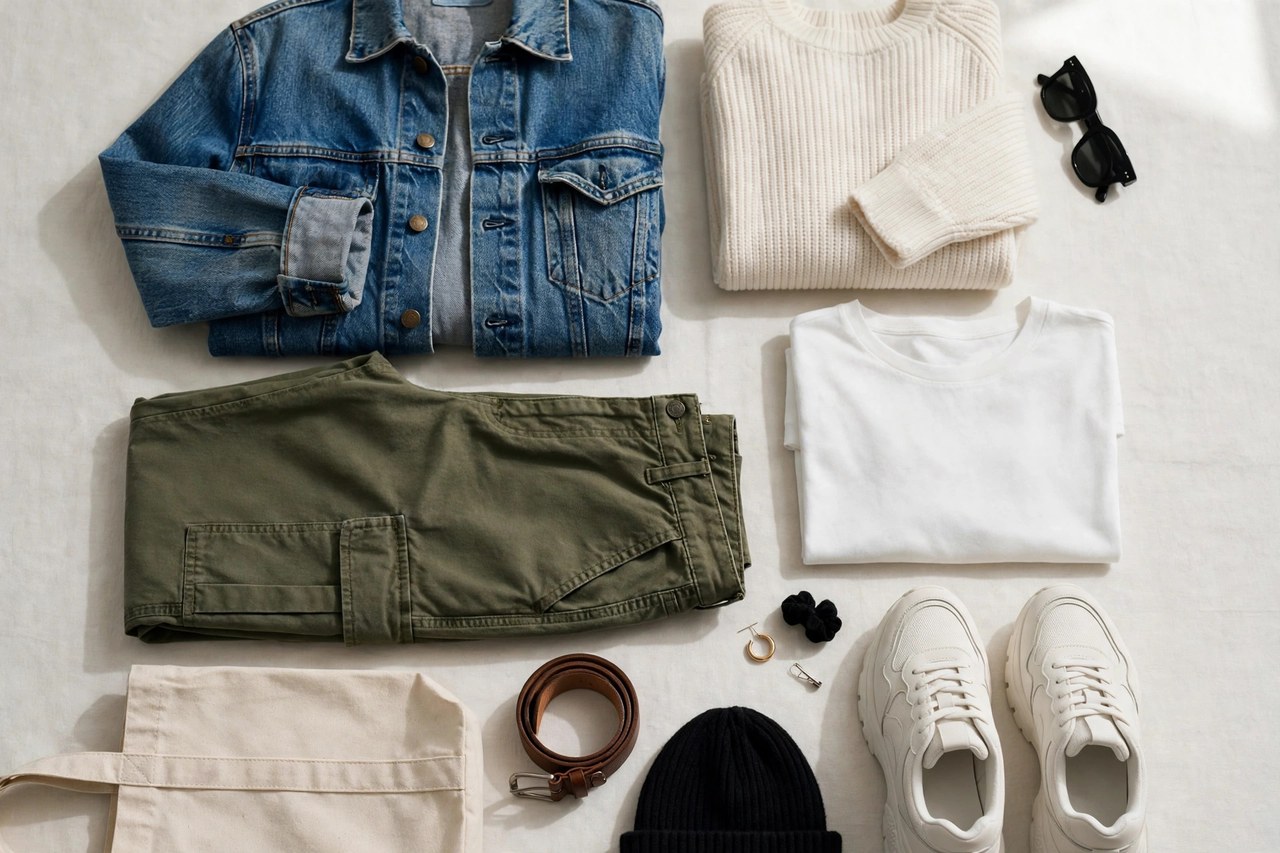
Urban fashion is city-centred women's clothing drawing on streetwear and workwear: hoodies, cargo trousers, graphic tees, utility jackets, denim and trainers, cut for movement, layering and daily city use. This guide reads urban fashion as a working wardrobe system rather than a look: the layering order, the fabric weights that survive commuting and weather, and how the core pieces combine, with links to the detailed garment guides across this site.
This guide covers urban fashion in the order a careful buyer needs it: what the product is made from, how it is constructed, how it should fit, how to choose it for real use, and how to care for it so it lasts. Apparel Search has published guides to women's clothing for decades, and this rebuilt page keeps the subject focused — measurable details, named materials and checks you can perform in a shop or on a parcel's arrival, rather than general fashion language.
Fabrics and Construction
Urban fashion is built from hard-wearing everyday fabrics: cotton and cotton-blend denim, canvas and ripstop for cargo and utility pieces, fleece and loopback jersey for hoodies and sweatshirts, nylon and technical shells for city outerwear, and heavyweight jersey for graphic tees. Fabric weight is the category's quiet specification — a hoodie at 400 grams per metre is a different garment from one at 280, in warmth, drape and life.
Construction follows workwear and sportswear logic: reinforced and bar-tacked pockets that actually carry phones and keys, ribbed cuffs and hems that recover, drawcords with finished ends, and hardware — zips, snaps, eyelets — in metal or dense moulded plastic on better pieces. The category's test is a full city day: a piece earns its place if it layers over what is under it, carries what the day needs in real pockets, and still looks deliberate at the end of it. Prints and graphics are a second product on the garment: check whether they are screen printed, embroidered or applied, because each ages differently.
Fit, Silhouette and Layering
Urban fits run from fitted to deliberately oversized, and the sizing question is therefore intent: boxy and dropped-shoulder cuts are designed to sit away from the body and layer over tees and knits, so size them by garment measurements, not by your usual letter. Read the flat measurements — chest, length, sleeve — because streetwear brands cut to their own blocks and vary more than high-street ranges.
Layering order is the system's fit rule: close base layers first, mid-weight hoodies and overshirts next, shells and jackets last, with each layer cut to fit over the one beneath without pulling at the armhole. A city wardrobe works when every piece has a layer it sits under and a layer it sits over — orphans that fit over nothing are the pieces that stay in the wardrobe unworn.
Building a Working City Wardrobe
Choose urban fashion by measurable criteria in a fixed order: fabric weight and composition for the season and the commute, pocket and carry capacity for the day it must serve, fit for the layers it must work with, and only then graphics and colour. Start from the anchor pieces — denim, a hoodie, a utility jacket, trainers — and add seasonal and graphic pieces around them. In practice, rank these checks in the order your own use demands — frequency of wear first, then weather, washing facilities and budget — because that order differs by wardrobe, and it is the real reason two careful buyers can correctly choose differently from the same rail.
Judge price by specification: fabric weight, stitch quality, hardware and print method explain the spread between a one-season graphic piece and a five-year staple, and both have their place if bought knowingly. Buy the anchors at the best quality the budget allows, because they are worn weekly, and let trend-led pieces be the cheaper, replaceable layer of the wardrobe.
Washing and Care
Wash urban staples inside out and cool: denim as rarely as the wear allows, with dark colours together; printed tees and hoodies inside out to protect the graphic; fleece without fabric softener if it has any moisture-management finish. Dry flat or on lines in shade, and treat trainers as footwear, not clothing — air them, rotate pairs, and keep them out of washing machines unless the maker allows it.
Store hoodies and knits folded rather than hung to protect their shoulders, keep denim dry and aired, and repair early: a re-stitched pocket corner or re-heeled trainer extends a staple's life by seasons. Retire pieces when ribbing loses recovery, prints crack across the whole design, or shells stop shedding rain even after re-proofing.
Related Women's Guides
More to Explore on Apparel Search
- Fashion
- Clothing Retail Stores
- Fashion News
- Fashion Designers
- Popular Brands
- Apparel
- Women's Clothing Stores
- Women's Clothing Wholesalers
- Women's Fashion
- Women's Urban Clothing Wholesalers
- Women's Urban Fashion Stores
- Fashion Videos
- Fashion Calendar
- Celebrity Fashion
- Women's hip hop fashion
- Fashion Designer Directory
Women’s Clothes Guide by Letter: Women's Clothing Directory G · Women's Clothing Directory H · Women's Fashion Directory I · Women's Apparel Directory J · Women's Fashion Directory K · Women's Fashion Directory L · Women's Fashion Directory M · N · O · P · Q · R · S · T · V · W · X · Y · Z
Looking for Women's Clothing Stores?
This guide helps you choose women's urban fashion. To browse where to buy, visit our women's clothing store directory, where you can find retailers that carry them.