Seamstress Job Description
The hand-sewing craft at the heart of garment making — fine stitching, finishing, fitting and repair by a skilled needle worker
A seamstress is a skilled sewing craftsperson whose defining tool is the needle in the hand rather than the speed of a machine line. The title is traditional — the craft itself is practised by women and men in sample rooms, alteration shops, theatres, bridal and couture ateliers and their own businesses — and the work centres on the sewing that machines do badly or not at all: hand-finished hems, set-in linings, covered buttons, delicate fabrics, fitting adjustments and repairs that must disappear into the garment.
More Production Job Descriptions by Letter:
Hand Sewing, Finishing and Detail Work
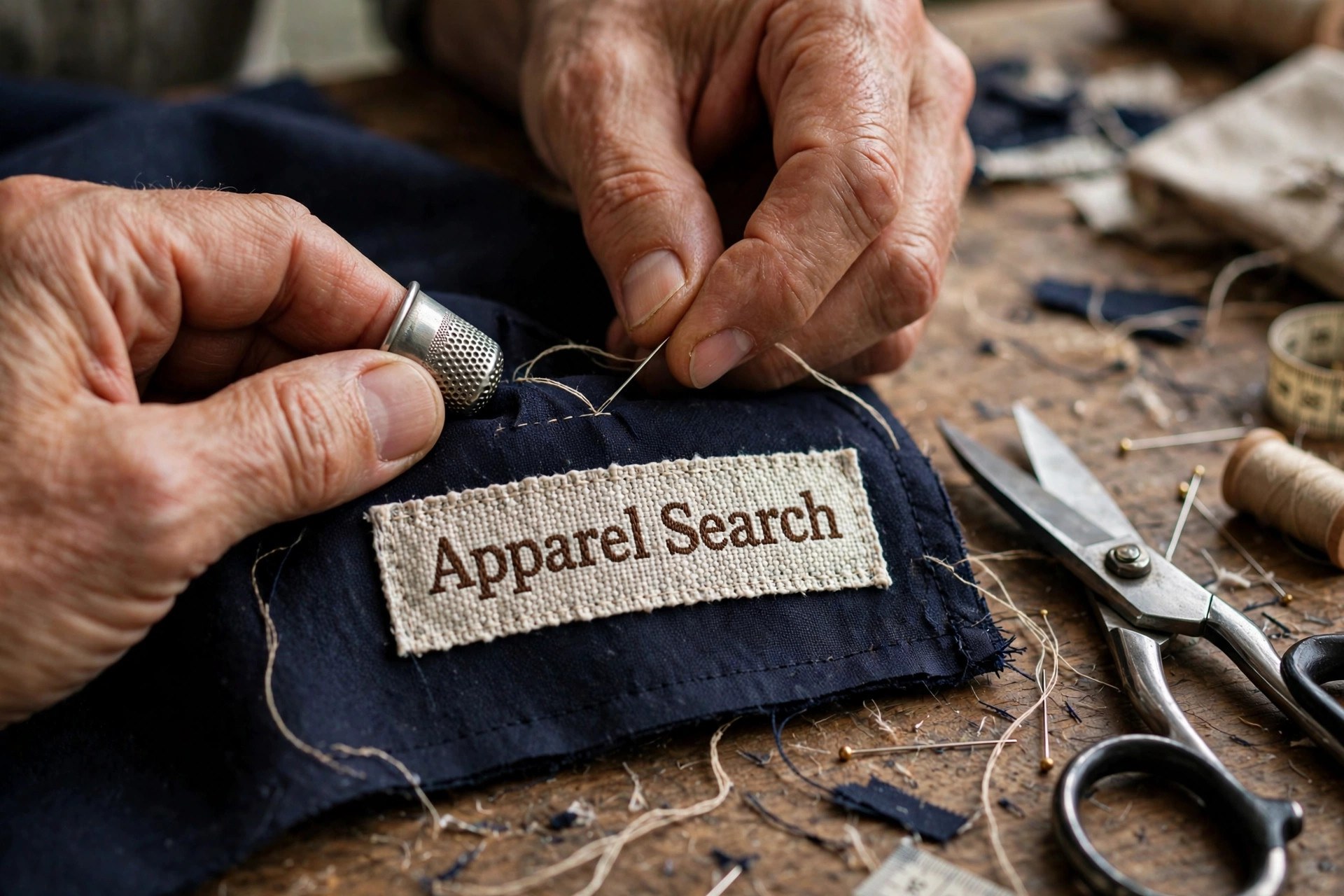
The seamstress’s day is measured in stitches, not dozens. Core work includes hand hemming with slip, catch and blind stitches chosen for the fabric and the garment’s price level; sewing on buttons, hooks, snaps and fastenings so they hold under strain and sit invisibly; finishing seam allowances by hand where a machine edge would show; attaching linings, facings and lace; and the small perfecting operations — easing a sleeve head, tacking a pleat, securing a hem that a machine would pucker — that separate a finished garment from a merely assembled one.
Judgement about fabric is constant. Silk chiffon, velvet, lace, sequinned cloth, leather and heavy coating each demand different needles, threads, tensions and handling, and much seamstress work happens on garments where a mistake cannot be unpicked without leaving a mark. The craft includes pressing as an integral skill: seams are pressed as they are sewn, hems are shaped over the ham and the sleeve roll, and the final garment is finished to hang as the designer intended.
Alterations, Fitting and Repair
A large share of seamstress employment is alteration work: taking in and letting out, shortening and lengthening, tapering, replacing zips and linings, and reshaping garments at fitting. This side of the craft adds client-facing skills to needle skills — pinning a garment on a standing customer, marking adjustments accurately, judging how much a garment can change before its balance is lost, pricing the work honestly and delivering on a promised date, often against a wedding or an event that cannot move.
Repair and restoration extend the same judgement: reweaving or invisibly mending damage, matching replacement fabric and thread to aged cloth, reinforcing worn areas without changing how a garment looks or feels. In theatres and film, seamstresses build, alter and maintain costumes under dressers’ deadlines; in bridal and occasion wear, the work peaks around fittings where a single garment may pass through the same hands half a dozen times before it is right.
Where Seamstresses Work and How the Work Differs From Line Sewing
Settings vary widely: the sample rooms of brands and factories, where seamstresses sew first samples and sales samples complete from cut pieces; independent alteration and tailoring shops; department-store fitting departments; costume workrooms; and home-based businesses serving local clients. Hours follow the setting — retail and bridal work includes evenings and seasonal peaks, theatre work follows production schedules, and self-employed seamstresses set their own diaries around their order books.
The contrast with production-line sewing is fundamental. A sewing operator repeats one machine operation on hundreds of identical pieces, paced by the line; a seamstress takes a whole garment, or a whole problem, and applies varied hand and machine techniques at a self-directed pace, with the quality bar set by invisibility rather than by units per hour. The two crafts respect each other, and experienced seamstresses often began on lines — but they are different jobs, recruited differently and paid on different logic.
Skills, Training and Career Path
The entry requirement is demonstrable hand skill: employers and clients test it practically, with a sewing sample or a trial garment, before qualifications are discussed. Training routes include fashion and textiles courses with strong construction content, tailoring and dressmaking study, apprenticeships in alteration shops and workrooms, and the long private practice of serious home sewers moving into paid work. Speed matters less than accuracy, fabric knowledge, fitting judgement and the patience to redo a detail until it is right.
Careers grow by reputation. Employed seamstresses become senior hands, sample room leads, alteration managers and costume supervisors; self-employed seamstresses build client lists that can sustain a business for decades, sometimes specialising — bridal, theatrical, vintage restoration, soft furnishings alongside garments. Some move into teaching dressmaking, pattern work or quality roles where a finisher’s eye for what hand work achieves is exactly the expertise required.
Common Questions
What is the difference between a seamstress and a sewing operator?
A seamstress is a hand-sewing craftsperson who finishes, alters and repairs whole garments using varied hand and machine techniques at a self-directed pace. A sewing operator works on a production line, repeating one machine operation on many identical pieces, paced by line output.
Do seamstresses only sew by hand?
No. Seamstresses use machines freely for seams and construction; the craft is defined by the finishing, fitting and detail work — hems, linings, fastenings, alterations — where hand techniques give the invisible result machines cannot match.
How do you become a seamstress?
By building provable hand-sewing skill: dressmaking and tailoring courses, apprenticeships in alteration shops or workrooms, sample-room junior roles, or turning serious home sewing into paid work. Employers test the sewing itself, so a portfolio of finished garments matters most.
More to Explore
Sewing Craft Resources
References & Further Reading
More Job Description Categories
- Buying Job Descriptions
- Design Job Descriptions
- Marketing & PR Job Descriptions
- Miscellaneous Job Descriptions
- Planning & Allocation Job Descriptions
- Production & Sourcing Job Descriptions (current)
- Sales & Selling Job Descriptions
- Transportation & Warehouse Job Descriptions