Men's Outerwear Sales Job Description
Selling men's coats and jackets — a seasonal, weather-driven, higher-priced specialism
Men's outerwear sales is the specialism of selling coats and jackets to the retail trade: overcoats and raincoats, parkas and insulated jackets, leather and suede jackets, casual and technical outerwear. It is the most weather-exposed corner of menswear selling. Outerwear is bought early, priced high and stocked in shallow depth compared with the rest of a men's department, and its success is decided by things no salesperson controls — the first cold snap, a wet autumn, a mild winter that leaves rails of coats standing in January. Selling outerwear well means planning honestly around that risk with buyers: the right weight of assortment, at the right price points, delivered before the weather that sells it.
More Sales & Selling Job Descriptions by Letter:
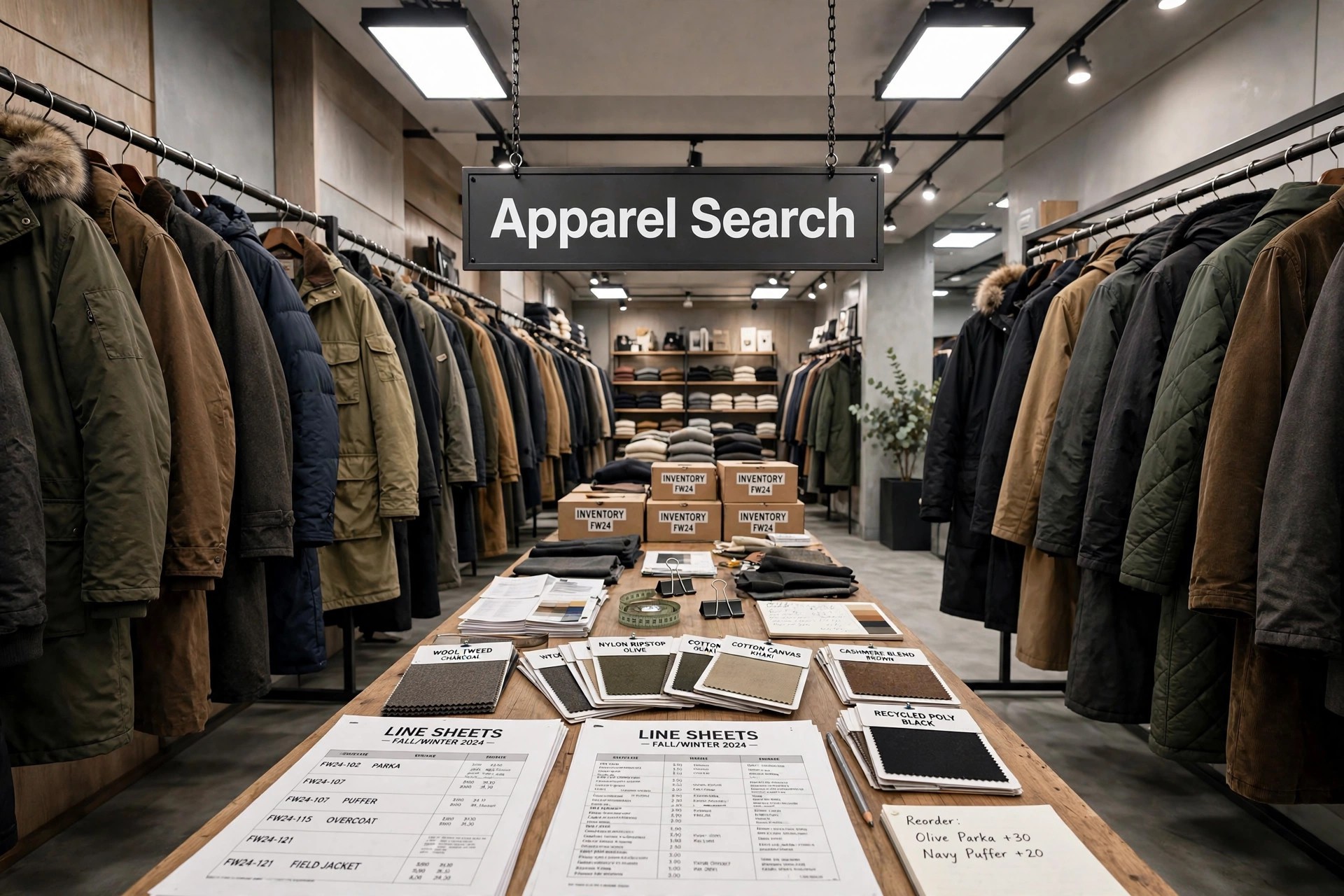
A Seasonal, Higher-Priced Assortment
Outerwear sits at the top of a menswear department's price architecture. A man may buy several shirts in a season but one coat in several years, so unit volumes are low, tickets are high, and every style on the rail represents a serious commitment of the buyer's budget. The salesperson presents the range with that arithmetic in view: the opening-price jacket that gives the department an entry point, the core coat programme in its cloth and colour options, and the premium pieces — fine wool overcoats, leather jackets, technical parkas — that carry the department's image and margin.
Assortment balance in outerwear is a judgement about weather and wardrobe at once. The range has to cover the tailored customer who needs a coat over a suit, the casual customer whose jacket is his winter skin, and the performance buyer shopping insulation and waterproofing as specifications. Weights and warmth levels, lengths, and the split between classic styles that repeat for years and fashion styles that live for a season are the salesperson's planning tools, applied store by store according to climate — a northern account's parka depth would strand a southern store, and the line is sold differently in each.
Fabrics, Insulation and Technical Knowledge
Outerwear buyers interrogate construction the way tailors do. Cloth weights and finishes, waterproof and water-resistant treatments, membrane and coating systems, down and synthetic insulation fills and their warmth ratings, storm cuffs, sealed seams, detachable linings and hoods — the salesperson is expected to demonstrate these features and price them honestly against competing coats, because a retail customer will test the same claims on the shop floor. Sample handling is physical selling: coats are heavy garments, and presenting a range means steaming, hanging and wearing the product so its drape and weight read properly.
Sizing and fit have their own outerwear logic. Coats are fitted over what is worn beneath them — a suit jacket changes the size a man needs — and the salesperson guides buyers on the size spread for each style, including the long and short fittings tailored outerwear still offers. Fit sessions with a store's own staff, where the brand supports them, pay back all season in fewer returns on the department's most expensive garments.
Timing, Weather and the Retail Partnership
Delivery timing is outerwear's sharpest discipline. The selling season for heavy coats is brutally front-loaded: coats delivered for the first cold weeks earn full price, while the same coats delivered late go straight to markdown pressure. Salespeople therefore sell delivery dates as hard as garments, confirm orders early in the production cycle — outerwear fabrics and insulation are long-lead materials — and keep buyers informed through the summer production months, when a slippage can still be answered with a substitute style rather than an apology in October.
In season, the partnership turns to reading the weather together. A cold forecast is a replenishment conversation about the styles that can still be re-cut or transferred; a mild spell is an honest talk about pacing, promotions and protecting the department's margin rather than pretending the rail will clear itself. Buyers remember which salespeople helped them manage a bad winter, and outerwear accounts are notably loyal for exactly that reason — the category's risk makes trust its currency.
Skills, Qualifications and Career Path
Employers look for menswear selling experience with genuine outerwear literacy: fabrics and insulation systems, price architecture at the top of a department, seasonal planning under weather risk, and early-cycle order discipline. Because volumes are small and tickets large, account relationships tend to be senior — the salesperson deals with head buyers and store owners — and credibility about delivery and honest assortment advice outweighs pressure selling at every level of the trade.
Outerwear specialists commonly grow out of general menswear sales, bringing the account base and assortment judgement with them, or out of outerwear and outdoor retail. Progression leads to larger territories and key accounts, into sales management for outerwear and tailored divisions, or sideways into the performance and outdoor brands where technical outerwear is the whole business. The specialism also borders the women's outerwear trade, and experienced sellers sometimes carry both sides of a coat line.
Common Questions
What does a men's outerwear salesperson sell?
Men's coats and jackets to retail buyers: overcoats, raincoats, parkas, insulated and technical jackets, leather jackets and casual outerwear — a seasonal, higher-priced assortment planned by warmth, weight and climate, and delivered ahead of the weather that sells it.
Why is outerwear selling so weather-dependent?
Coats are bought for cold and wet weather and stocked in shallow depth at high prices. A cold snap can clear a rail in weeks; a mild winter can leave it standing into the sales. Salespeople manage that risk with buyers through assortment weight, early delivery and honest in-season replenishment and promotion planning.
How is men's outerwear sales different from men's fashion sales generally?
Men's fashion sales covers the whole menswear assortment across categories and price levels. Outerwear sales concentrates on one category with higher tickets, lower volumes, long-lead materials, technical fabric and insulation knowledge, and a selling season governed by weather and early delivery.