Men's Fashion Sales Job Description
Selling men's apparel lines to retail buyers — full assortments, from tailored clothing to casualwear
Men's fashion sales means representing menswear lines to the retail trade: department stores, menswear specialty chains, independent clothing stores and, increasingly, online retailers. Where some sales roles on this site narrow to a single product family, this one covers the breadth of a man's wardrobe — tailored suits and sport coats, dress and casual shirts, trousers, knitwear, denim and casual apparel — sold as coordinated seasonal assortments. The menswear salesperson's craft is assortment selling: helping each retail buyer build a balanced men's department from the line, in the sizes and price points that store's customers actually buy.
More Sales & Selling Job Descriptions by Letter:
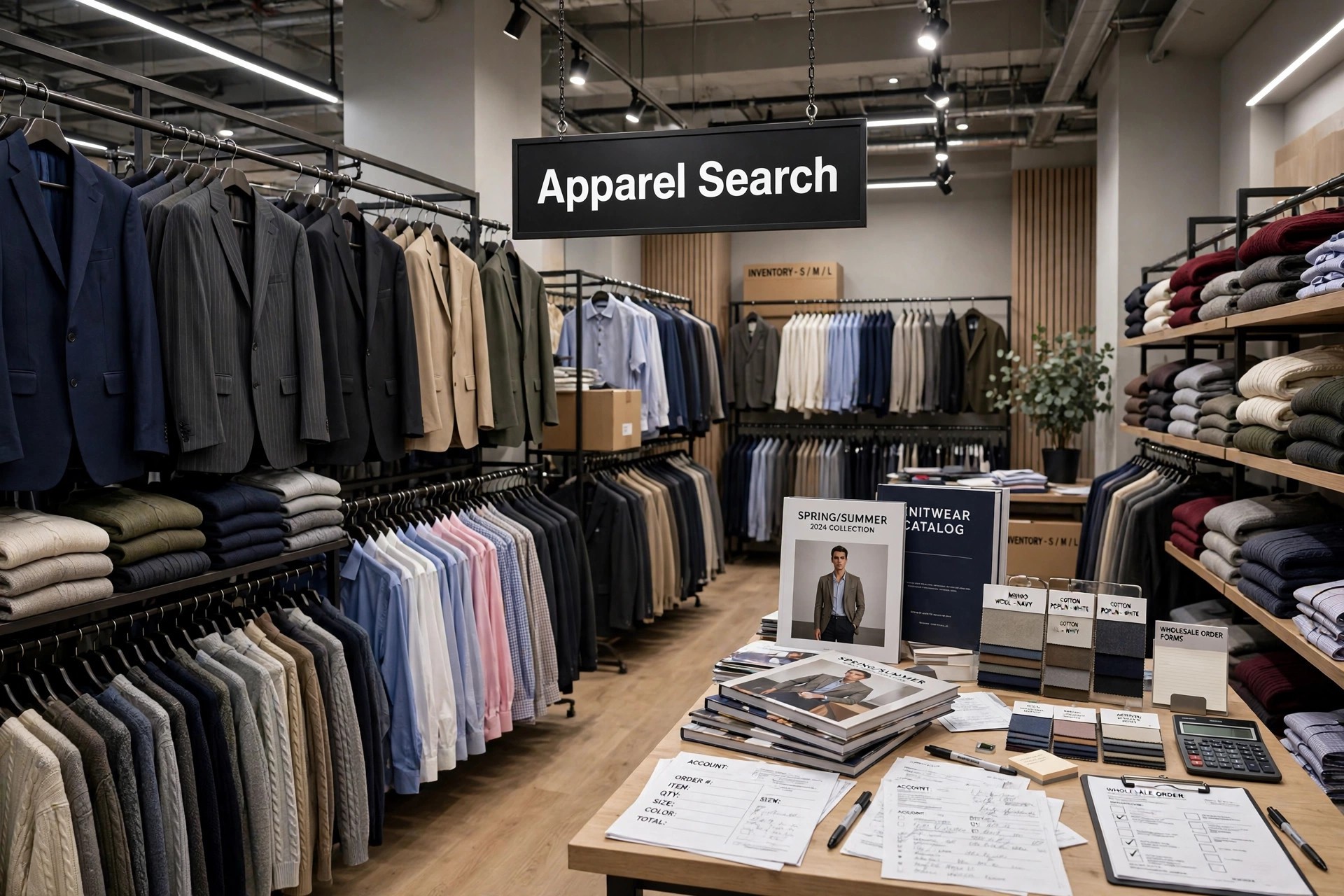
Presenting the Menswear Line
The selling season runs through showrooms, market weeks and store visits. The salesperson presents each collection to buyers garment by garment: the suit and sport-coat offering in its fabric and fit options, the shirt programme in collar styles and size scales, trousers, knitwear and the casual ranges that round out the department. Menswear changes more slowly than womenswear, and buyers buy accordingly — fit blocks, fabric quality, construction and price carry the argument more than novelty, and the salesperson who can explain why a shoulder is built a certain way, or how a fabric will wear, sells with authority a trend pitch cannot match.
Assortment planning is where orders are really written. For each account the salesperson builds a proposed buy across categories and price tiers, setting the depth on core continuity items — the navy suit, the white and blue shirts, the basic chino — against the fashion items that give the department news. Size curves get particular care in menswear: suits in their chest and length matrix, shirts by collar and sleeve, trousers by waist and inseam. A range that is right in total but wrong in sizes strands money on the rail, and experienced menswear sellers treat the size spread as part of the product.
Accounts, Orders and the Retail Relationship
Accounts differ sharply. A department store group buys centrally, in volume, against planned department budgets and margin targets; an independent menswear store buys with its owner across the counter, often for customers he knows by name. The salesperson serves both rhythms: negotiating terms, delivery windows and exclusives where the account warrants them, confirming orders precisely, and then following the goods — chasing late deliveries, resolving shortage and quality claims, and arranging reorders on the continuity lines that sell all year.
After delivery, the job continues on the shop floor. The salesperson reviews sell-through with the buyer category by category — which fits moved, which colours stalled — supports staff product training where the brand offers it, and carries that intelligence into the next season's assortment proposal. Menswear departments reward this continuity: a buyer whose tailored section was built well for three seasons trusts the fourth proposal, and menswear selling is built disproportionately on that kind of long account memory.
The Menswear Market and Its Calendar
Menswear selling follows its own calendar and customs. Two main seasons anchor the year, with continuity and replenishment business between them; tailored clothing still observes market weeks in the menswear centres, and trade shows gather the casual and contemporary side of the trade. The salesperson's route mixes showroom appointments, road trips to independent accounts and, for larger lines, key-account reviews with the department store groups. Travel is a standing condition of the job, heaviest in the selling seasons.
Product knowledge in menswear is deep rather than wide. Cloth weights and weaves, canvas construction in jackets, collar and cuff variations, denim weights, knit gauges — buyers test a salesperson's command of these details because their own customers ask about them. The category specialisms have their own pages in this directory: footwear selling and outerwear selling each concentrate the same selling skills on one product family with its own technical language, and many menswear careers move between the general line and those specialisms.
Skills, Qualifications and Career Path
Employers look for selling experience with apparel accounts, a feel for menswear product and fit, and the numeracy to plan assortments in units, sizes and margin. Presentation skills matter — a line is sold standing at a rail, talking a buyer through cloth and construction — and so does the discipline of order follow-up, because menswear buyers measure a supplier by deliveries as much as by garments. A background in menswear retail is a common and respected route in: department sellers who know fit and customers transfer well to the wholesale side.
Progression runs from a territory or a group of independent accounts to key accounts and regional responsibility, then to sales management — the menswear sales manager and national sales manager roles described elsewhere in this section — or toward the specialist tracks: footwear, outerwear and branded apparel sales each take experienced menswear sellers deeper into a category. The broad-assortment grounding of this role is precisely what makes its holders credible candidates for those wider jobs.
Common Questions
What does a men's fashion salesperson sell?
Menswear lines to retail buyers — department stores, specialty chains and independent menswear stores — across the breadth of the wardrobe: tailored clothing, shirts, trousers, knitwear, denim and casual apparel, presented and ordered as seasonal assortments with planned size curves.
How is men's fashion sales different from men's footwear or outerwear sales?
Scope. This role sells full menswear assortments across many product categories. Footwear sales concentrates on shoes and boots, with sizing-run and fit specialism; outerwear sales concentrates on coats and jackets, a seasonal, higher-priced category. Each has its own page in this directory.
How do people get into menswear sales?
Commonly from menswear retail — selling and fitting on a men's department builds the product and customer knowledge buyers respect — or from junior wholesale sales and showroom assistant roles. Employers test product knowledge, assortment thinking and account follow-up discipline.