Sales Consultant Job Description
Advisory selling — wardrobe and product counsel that clients trust, relationships that outlast single sales
A sales consultant sells by advising. In fashion, the title covers the consultative end of selling: the premium retail consultant who builds a client's wardrobe over seasons, the personal shopper whose recommendations a client acts on without browsing, and the specialist consultant who advises boutiques and brands' clients on ranges and fits. What all of them share is the order of work — first understand the client, then recommend — and a relationship measured in years rather than transactions. The consultant's authority comes from being right about the client's needs often enough that the advice itself becomes the product, and the garments follow from it.
More Sales & Selling Job Descriptions by Letter:
Needs Analysis and Wardrobe Advice
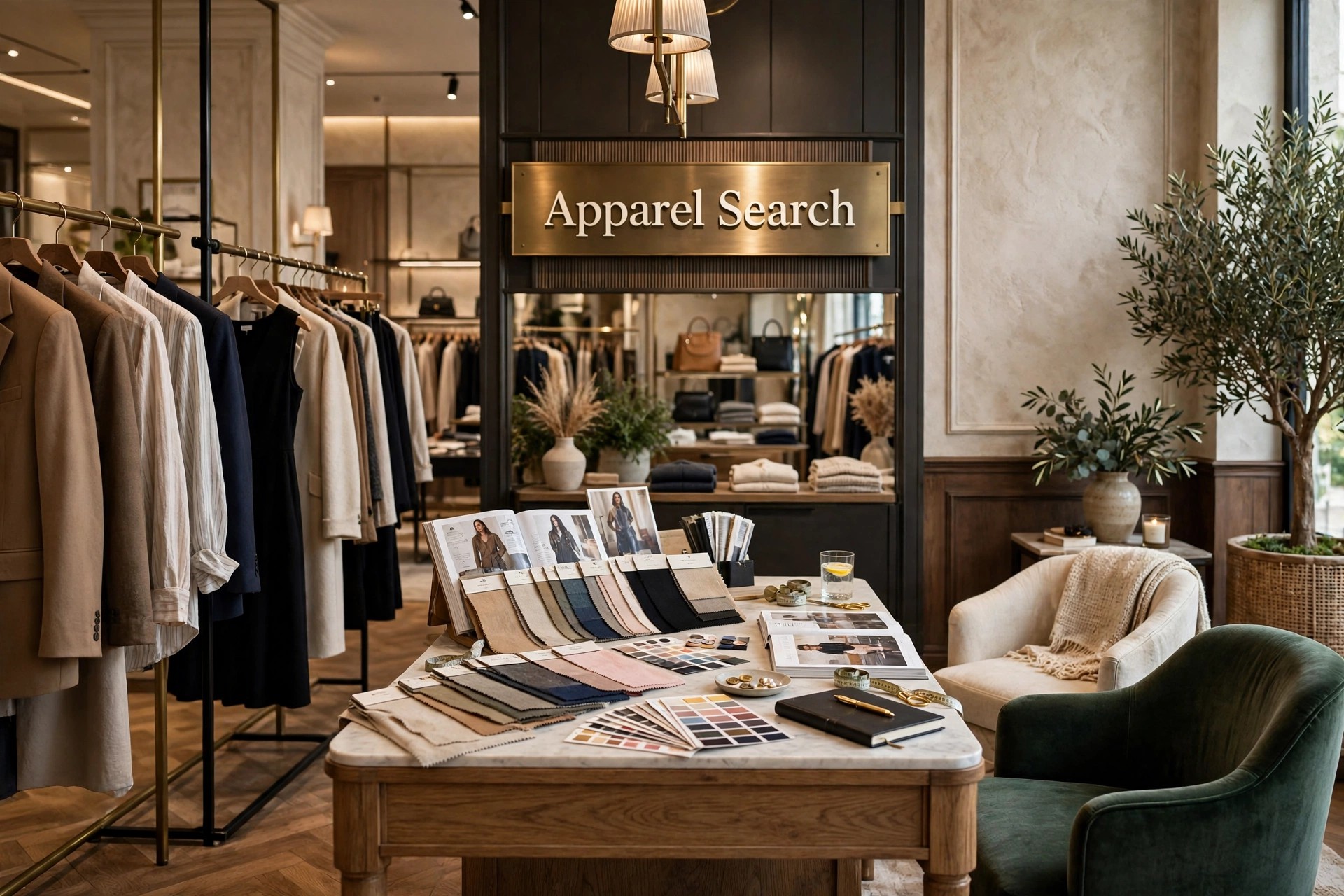
Consultative selling begins with questions, not product. The consultant establishes what the client actually needs: the occasions and roles the wardrobe must serve, what already hangs in it, what fits and flatters, budget and priorities, and the gaps that matter. In a retail or personal-shopping setting that becomes a wardrobe plan — building outfits across pieces, sequencing purchases so each one multiplies the use of the rest, and recording sizes, preferences and past purchases in a client book or system so the next consultation starts informed. Clients experience this as being understood; commercially, it converts browsing into a managed wardrobe with a returning owner.
The advice itself is the craft: honest counsel on fit and proportion, colour and fabric, which trends translate to this client's life and which to skip, and how a garment will wear, clean and age. A consultant who advises against a purchase that would not serve the client — the wrong fit kept out of politeness, the duplicate of something already owned — loses one sale and banks the trust that produces twenty. That is the economic logic of the role, and employers who use the title seriously measure consultants on repeat-client revenue and retention, not only on daily takings.
Clienteling: the Relationship as a System
Consultants run their client base deliberately. Client records hold measurements, preferences, family and occasion dates where the client shares them, purchase history and notes from every fitting; the consultant works those records between appointments — calling a client when a awaited piece arrives, assembling a rail before a visit, following up after a major purchase to check the fit in real life. Private appointments, previews of new collections and first refusal on limited pieces are the rituals of the system, and they are earned privileges the consultant distributes with judgement.
The settings are premium by nature: luxury and designer departments, high-end boutiques, personal shopping suites, bridal and occasionwear salons, and bespoke and made-to-measure services where consultation is built into the product. Some consultants work independently, retained by private clients for wardrobe management and shopping. In wholesale, a parallel consultative style exists — the salesperson who advises retail buyers on range building — but the titled consultant roles cluster where an individual client's trust is the asset, and hours and presentation standards follow that clientele: discreet, unhurried and exact.
Product Mastery and Styling Judgement
Advice is only as good as the knowledge under it. Consultants are expected to command their product deeply: fabrics and their behaviour, construction quality and what it costs, fit across the brands they sell, alteration possibilities and limits, care and repair routes, and the honest comparison with competitors' offers. Styling judgement sits on top — assembling complete looks, mixing price levels credibly, and adapting a season's trends to a real person's body, work and habits rather than a campaign photograph. Consultants keep that judgement current through range training, fashion press and their own client feedback about what actually got worn.
Numbers still apply, in the role's own form. Consultants carry personal targets, usually weighted to their client base: repeat purchase rates, appointment conversion, average client spend across a season, and new-client introduction through referral — the channel that fills a good consultant's book, since satisfied clients recommend the person, not the store. Commission structures in premium retail reward exactly that long book, which is why experienced consultants are courted between houses and why their departure is a measurable commercial event.
Skills, Qualifications and Career Path
Employers recruit consultants from strong retail sales backgrounds — senior associates with a visible client following are the usual candidates — and from styling, personal shopping and made-to-measure services. The profile they test is advisory credibility: product mastery, listening and questioning skill, memory for client detail, discretion with personal information, and the confidence to give unwelcome advice gracefully. Formal fashion or styling qualifications support an application, and luxury houses add language skills and cultural fluency for international clientele, but the client book and the references of past clients decide senior appointments.
Career paths stay close to the client: senior consultant and head of personal shopping roles, client relationship management, VIP client services, training other consultants, or independence — established consultants set up private practices serving retained clients. The contrast with the sales executive role in this directory is instructive: the executive owns accounts and a target, selling a company's range into businesses; the consultant owns trust, advising clients on what to buy. Both are senior selling crafts, and they reward almost opposite instincts — coverage and negotiation on one side, depth and counsel on the other.
Common Questions
What does a fashion sales consultant do?
Advises clients on clothing choices as a trusted specialist: analysing wardrobe needs, recommending garments and complete outfits, keeping detailed client records, arranging private appointments and previews, and building long-term client relationships whose repeat business is the measure of the role.
How is a sales consultant different from a sales executive?
A consultant advises clients — the value is counsel, fit and wardrobe judgement, and success is client trust and retention. A sales executive owns business accounts and a sales target, selling a company's range to retailers. Consultant sells advice that leads to purchases; executive sells product into accounts.
How do sales consultants build a client base?
Through service that proves itself: accurate fit and wardrobe advice, detailed client records, thoughtful follow-up and first access to new collections. Referrals from satisfied clients are the main growth channel, which is why consultants are measured on retention and repeat spend.