Women's Outerwear Sales Job Description
Selling coats and jackets — weather-driven seasons, fabric performance and the highest unit values in the women's department
Women's outerwear sales is the selling specialism for coats, jackets and rainwear — the highest-value garments in the women's department and the most weather-dependent. An outerwear range is bought months before it is worn, sold in a compressed season whose success can turn on the first cold week, and judged by customers as much on performance — warmth, weatherproofing, weight — as on fashion. The outerwear salesperson therefore sells three things at once: a seasonal fashion range, a set of fabric and insulation specifications, and a delivery schedule that has to meet the weather. Getting all three right in the same order is the job.
More Sales & Selling Job Descriptions by Letter:
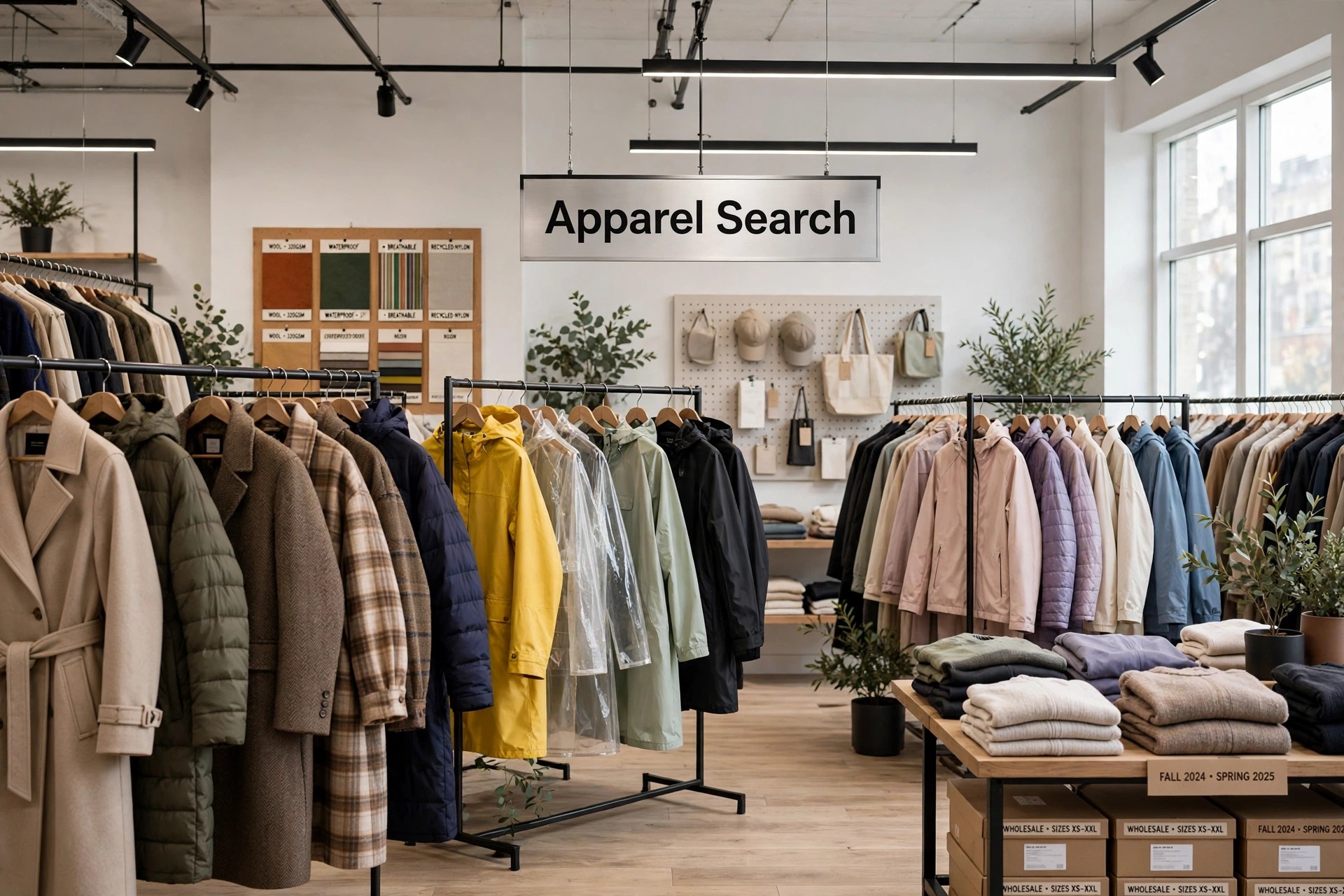
The Range: Coats, Jackets and Weather Categories
The category divides by function before it divides by fashion. Winter coats and insulated jackets are specified by warmth: fill type and weight in down and synthetic insulation, shell fabrics, lining, length and closure systems. Rainwear is specified by weatherproofing: waterproof membranes and coatings, taped seams, storm flaps and breathability ratings. Between them sit the transitional pieces — trench coats, unlined jackets, quilted liners and softshells — that sell in the shoulder seasons. The salesperson presents each family with its specification first and its styling second, because a buyer whose customers need genuine warmth or genuine rain protection will forgive a plain colour and never forgive a garment that fails outdoors.
Fashion still sets the calendar's shape: silhouettes, lengths and colours follow the season's direction, and premium and designer outerwear sells on cut and cloth as much as specification. The range is therefore laddered — opening-price functional pieces, a mid-range where specification and styling meet, and the investment coats whose fabric and finish justify department-store price points. Presenting that ladder honestly, including which pieces are fashion risks and which are proven sellers carried forward with new colours, is how outerwear salespeople keep buyers' trust across seasons that weather can make or break.
Fabrics, Insulation and Performance Claims
Product knowledge here is measurable. Wool and wool-blend cloths are judged on weight, finish and warmth-to-weight; down on fill power and fill weight; synthetic insulation on its wet-weather performance and compressibility; waterproof fabrics on their membrane or coating type and seam construction. Performance claims in this category are testable by the customer on the first wet or cold day, so the salesperson's discipline is accuracy: quoting ratings the garment actually carries, explaining care and reproofing honestly, and never letting a fashion coat be described — or sold — as technical weather protection.
Fit and sizing carry outerwear's own logic. Coats are worn over layers, so ease through the body, sleeve length with arms raised and driving, and closure comfort seated all enter the fitting conversation; a size run weighted for layering sells differently from the same customer's dress size run. The salesperson briefs accounts on those points and on construction details buyers check: lining quality, pocket placement that works with gloves, two-way zips, detachable hoods and linings that convert one garment into two seasons of use. Versatility features genuinely sell in this category, because the customer is buying one coat to do several jobs.
Weather, Timing and the Compressed Season
No category's calendar is more exposed. Orders are written in the opposite season, production is long because fabrics and insulation are specialised, and delivery windows are fixed against weather that refuses to be scheduled: a late cold season leaves coats hanging while the department's money sits in them; an early freeze with stock still in transit is margin lost outright. The salesperson manages that exposure with the buyer — phased deliveries, a core of proven styles that can take a late season, and honest, early communication when production or freight slips, because in outerwear a week's silence can cost a season.
In season, trading is reactive in a way apparel sellers rarely experience. Buyers and salespeople watch forecasts together; a cold snap triggers reorders of the styles already selling, a mild spell triggers markdown conversations while there is still season left to sell in. End-of-season handling — clearance, carry-over of classic styles, sample and stock sales — is planned at the time of the original order, not improvised in January. The salesperson who builds that plan into the first conversation protects both sides from the category's oldest failure: a beautiful range, delivered late, into warm weather, at full price.
Skills, Qualifications and Career Path
Employers look for apparel selling experience plus the category's technical literacy: insulation and membrane specifications, fabric weights and finishes, weatherproof construction and layering fit. Outdoor and performance-clothing backgrounds transfer directly, and many outerwear specialists began in outdoor retail where customers test claims immediately. Seasonal planning skill is the other requirement — comfort with long lead times, phased deliveries and forecast-based reordering — together with the numeracy to manage the department's largest unit values and the markdown arithmetic when a season turns.
Careers develop toward larger outerwear accounts and department-store groups, outerwear sales management, or the technical outerwear brands where specification selling is the whole business. The knowledge also carries into buying: outerwear buyers are frequently recruited from the selling side because the category's risks — weather, timing, unit value — are best understood by someone who has carried them. Within this directory the role pairs naturally with the womenswear sales pages built alongside it, and senior outerwear salespeople often hold both portfolios for the same accounts.
Common Questions
What does a women's outerwear salesperson sell?
Coats, jackets and rainwear — winter and insulated coats, waterproof rainwear, trench and transitional jackets — sold to stores and departments as ranges specified by warmth, weatherproofing, fabric and fit, at the highest unit values in the women's department.
Why is timing so critical in outerwear sales?
Because demand is weather-driven and the season is compressed. Ranges are ordered months ahead against long production lead times; a delivery that misses the first cold or wet period loses the selling window it was priced for, so delivery honesty and phased planning are core selling skills.
How are outerwear performance claims handled in selling?
Accurately and specifically. Insulation fill, membrane type, seam taping and waterproof ratings are quoted as the garment's real specifications, and fashion coats are never presented as technical weather protection — customers test the claims on the first bad day, and trust in the category depends on them holding up.