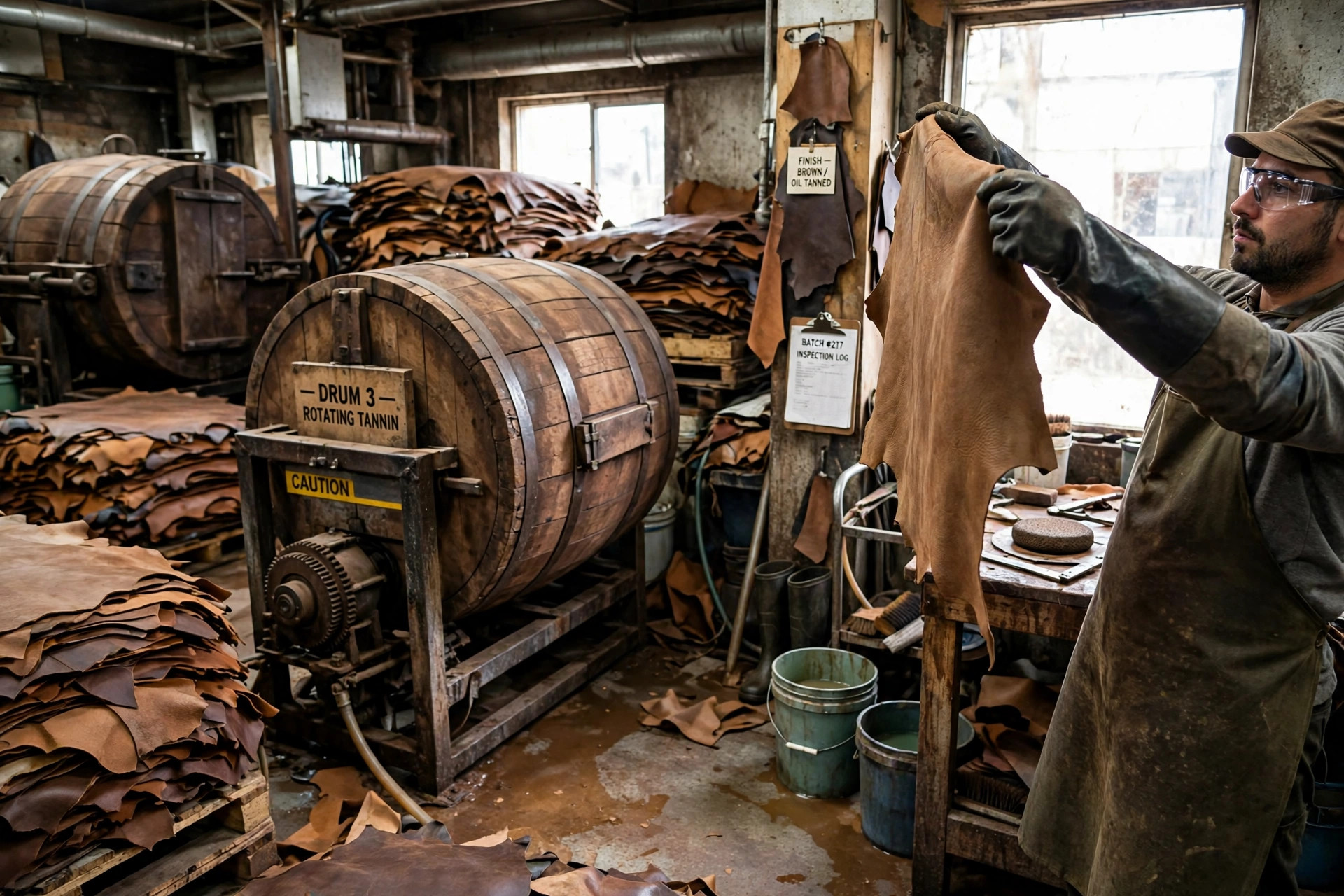
The Leather Working Group (LWG) is a not-for-profit, multi-stakeholder organization whose audit protocols assess the environmental performance of leather manufacturers — tanneries — and of facilities in the leather supply chain. Tanneries are audited by LWG-approved auditors and receive medal ratings, and brands use LWG status as a sourcing requirement for leather used in footwear, garments, bags, and accessories.
What LWG Audits
Tanning turns an animal by-product into a durable material, but it is water-, energy-, and chemical-intensive, and historically it has been one of fashion’s highest-risk processes for pollution. LWG’s audit protocols examine how a tannery manages exactly those risks: water and energy use, wastewater treatment, chemical management, waste and emissions, and the systems that keep performance consistent between audits. Traceability — knowing which slaughterhouses and regions the raw hides came from — is an increasingly important part of the assessment, connecting tannery audits to wider deforestation and animal-welfare debates.
Audited tanneries receive ratings that distinguish the strongest performers, which gives brands a graduated sourcing tool rather than a simple approved-or-not list, and gives tanneries a recognized return on investment in cleaner technology.
How Auditing Works
Audits are carried out on site by LWG-approved auditors using the current LWG audit protocol, which is periodically revised with input from the group’s brand, tannery, and supplier members. Results are valid for a defined period, after which the facility is re-audited; facilities that fail to meet minimum expectations cannot claim LWG status. Brands typically verify a tannery’s current status through LWG’s directories and their own supplier documentation before approving it for production.
LWG also maintains protocols and assessments for other actors in the chain, such as traders and subcontractors, because leather passes through many hands between slaughterhouse and shoe factory. For the facility-level environmental piece, LWG’s role in leather parallels what OEKO-TEX STeP — which also covers leather production — does across textiles and leather alike, and the two are sometimes held by the same facilities.
Who Uses LWG and What It Does Not Do
Footwear is the largest user of LWG-rated leather, followed by accessories, garments, automotive, and upholstery. Many global brands have public commitments to source leather from LWG-rated tanneries, which has made the audit a de facto license to supply those customers. For smaller leather-goods labels, asking a leather merchant for LWG documentation on the tanneries behind a hide is the practical entry point.
LWG is an environmental audit system for facilities; it does not certify that a finished bag or shoe is ‘sustainable’, and it does not by itself settle questions about livestock farming. Buyers combine it with product testing, chemical compliance such as OEKO-TEX leather standards, and — increasingly — interest in the bio-based alternatives covered in our companion guide.
FAQs
- What does an LWG rating mean?
- That the tannery has been audited under LWG’s protocol for environmental management — water, energy, chemicals, waste, and traceability systems — and achieved the rated level for the current audit period.
- Does LWG certify finished leather products?
- No. LWG assesses facilities, principally tanneries. A shoe or bag made with leather from an LWG-rated tannery is not itself an LWG-certified product.
- How can a brand check a tannery’s LWG status?
- Through LWG’s published directories and by requesting the tannery’s current audit documentation, checking that the rating covers the facility and period relevant to the leather being bought.
Sustainability Certifications & Standards
This guide is part of the Apparel Search sustainability certifications series. Browse the full series below, or start from the manufacturing guides hub.
- Global Recycled Standard (GRS) Certification
- Recycled Claim Standard (RCS) Certification
- Organic Content Standard (OCS) Certification
- Responsible Wool Standard (RWS) Certification
- Responsible Down Standard (RDS) Certification
- Responsible Mohair Standard (RMS) Certification
- OEKO-TEX Made in Green
- OEKO-TEX STeP Certification
- OEKO-TEX Eco Passport
- Digital Product Passport for Textiles
- Extended Producer Responsibility for Textiles
- France’s Repair Bonus for Clothing and Shoes
- Cradle to Cradle Certified® Products
- B Corp Certification
- Bio-Based Leather Alternatives
Apparel Search: explore the manufacturing guides hub and production & sourcing resources for the fashion industry.
Please note: Leather Working Group auditing is maintained by the Leather Working Group, and its requirements are revised over time. This page is a general overview provided for information only — it is not legal or compliance advice, and it may not reflect the most current version. Always confirm the current requirements directly with the Leather Working Group or an accredited certification body before making certification or sourcing decisions, rather than relying on this website.