Juniors Clothing on eBay
Everyday juniors garments sold as products — the odd-number size scale, and how juniors cuts differ from misses cuts
Juniors is a sizing system before it is a style: the odd-numbered scale (1, 3, 5, 7 and upward) cut closer and shorter than the even-numbered misses scale, aimed at a younger frame. eBay's juniors listings are everyday garments sold as products — tops, jeans, hoodies, casual dresses — from high-street labels and wardrobe clear-outs. This product-focused guide explains the size scale and how it converts, the cuts that define the category, and why juniors stock turns over so fast that it is one of the best-priced corners of womenswear resale.
An auction page is not a shop shelf: stock arrives garment by garment, described by thousands of different sellers, and leaves again within days. The guidance below follows the order a careful buyer actually works in — find the right listings, judge the garment in front of you, then bid with a ceiling already set.
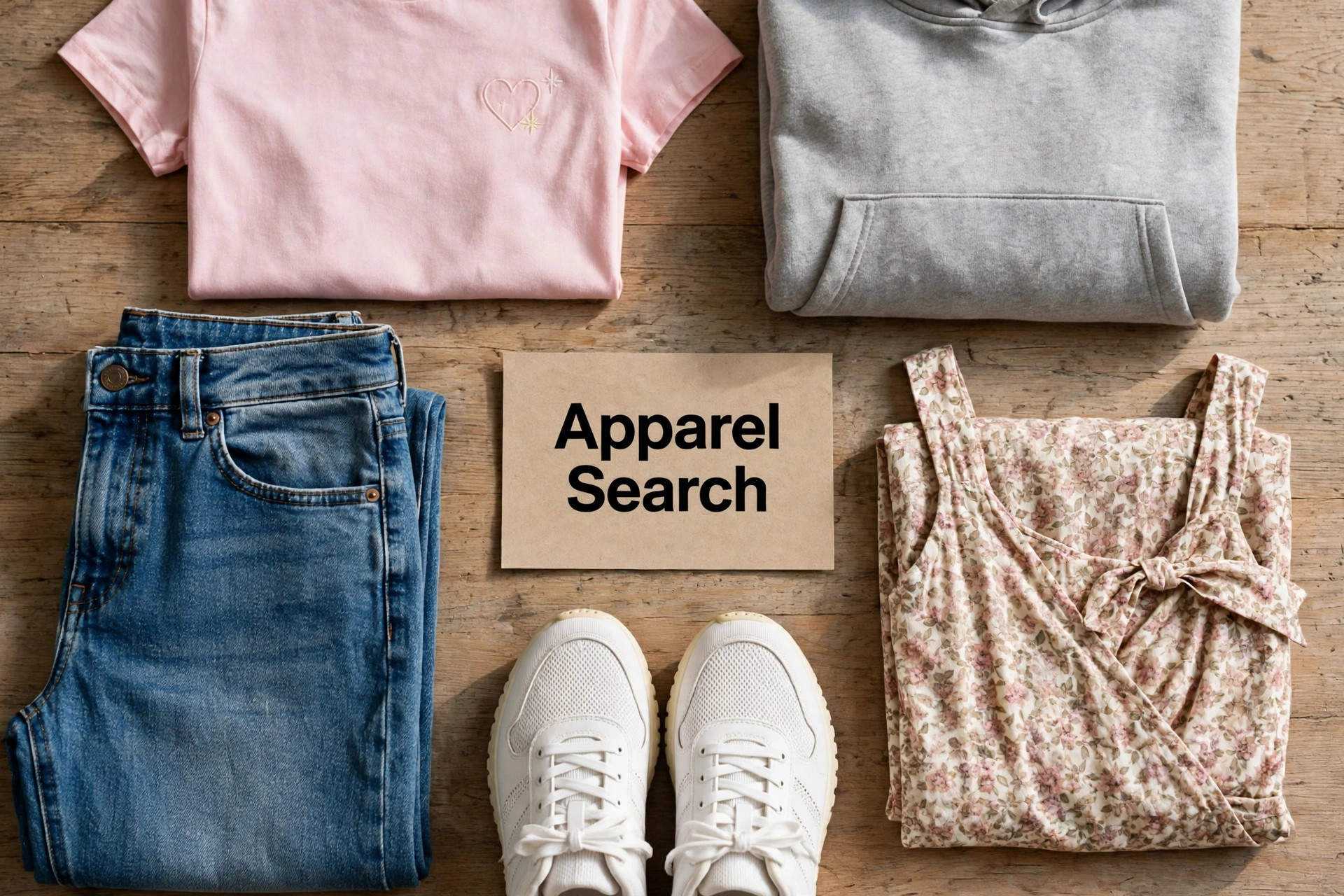
Everyday juniors staples are also sold new in multipacks and sets at set prices. The Apparel Search Amazon clothing guide collects the Amazon juniors and teen-style departments — a fixed-price comparison for the garment lots below.
Everyday Garments in Juniors Sizes
Listings for juniors clothing on eBay typically cover everyday tops and t-shirts, juniors jeans and denim shorts, hoodies and casual layers, casual and day dresses, skirts and casual bottoms and school and weekend staples in the same listings. The sellers behind them range from individuals clearing a wardrobe to specialist dealers and outlet accounts, so photography, description depth and condition grading vary widely from one listing to the next. Fast turnover is built into the category: sizes are outgrown and tastes rotate quickly, so barely worn garments list constantly from wardrobe clear-outs. Begin broad, then narrow with the size, color and condition filters; a saved search with alerts catches the short listings that end before a casual browser ever sees them.
Because seller wording is inconsistent, run several searches rather than one: "juniors clothing lot"; "juniors jeans size 7"; "juniors tops"; "teen clothing bundle". Vaguely titled and misspelled listings are where quiet bargains hide, since fewer bidders ever find them. Search the odd number explicitly — 'size 7 juniors' separates juniors stock from the misses size 7 listings that share every other keyword. Sort by ending soonest to catch neglected auctions, and compare price plus postage together — a low bid with heavy shipping is seldom the cheapest way to own the garment.
The Odd-Number Scale, Explained
Fit comes first: juniors sizes are odd numbers cut with a narrower hip and shorter rise and length than misses sizes of similar number; a wearer between systems should buy on the listing's bust, waist and length measurements, since the two scales overlap without matching. Auction garments cannot be tried on, so the flat measurements in the description are the only dependable evidence, and a seller who lists none is worth a message before bidding. On materials, expect cotton and cotton-blend jerseys, stretch denim, fleece hoodies and easy-care woven casual fabrics. Juniors garments are made to a price, so fabric weight and stitching vary widely between labels; listings that photograph labels and seams separate the sturdy stock from the disposable.
In this category condition moves value more than age does. Fast turnover means much stock is nearly new, but check high-wear points — underarms, hems, knee and seat — since everyday garments work hard in the short time they fit. Study the photographs at full size, read the returns policy, and judge the seller's feedback by the pattern that matters — description accuracy — rather than the headline score alone. A garment described as new with tags should show those tags in a photograph; if it does not, ask before bidding.
Fast Turnover, Low Prices
Timing shapes the price. Back-to-school and new-term seasons surge the listings; the same garments clear cheaply mid-term when wardrobes are re-sorted. Because the category's owners move on quickly, cost-per-wear at auction undercuts every other womenswear department for the same labels. Fix a maximum that includes postage, bid it once, and let the automatic bidding do the work — chasing an auction past your ceiling is how a bargain turns into an overpayment. Do not treat a juniors size as a small misses size: the proportions differ, not just the scale, and the fit error shows at hip and length together.
Common Questions
What should I check first when buying juniors clothing on eBay?
Measurements and condition. juniors sizes are odd numbers cut with a narrower hip and shorter rise and length than misses sizes of similar number; a wearer between systems should buy on the listing's bust, waist and length measurements, since the two scales overlap without matching. Then confirm the fabric content and read the seller's returns policy before bidding.
Which search phrases find the best juniors clothing listings?
Try several seller wordings — juniors clothing lot, juniors jeans size 7, juniors tops — and save the searches so short or mis-titled auctions are caught before they end.
When is the cheapest time to buy juniors clothing at auction?
Back-to-school and new-term seasons surge the listings; the same garments clear cheaply mid-term when wardrobes are re-sorted. Bidding on off-peak endings and setting a firm maximum that includes postage keeps the delivered price down.
More eBay Fashion Guides
More to Explore
- Women's Fashion on eBay
- Juniors Fashion
- Juniors Fashion Trends
- Juniors Tops
- Women's Clothing on eBay
- Apparel Auctions
- Clothing at eBay
- Women's Clothing Stores
- Juniors Clothing Stores
- Apparel price points
- Popular fashion brands
- About skorts
- Juniors Apparel
- Juniors Clothing
- Juniors Pants
- Juniors T-shirts