Apparel Search · Wet Processing Guide
Textile Dyeing & Finishing Guide
Almost every fabric starts life grey and unfinished. Dyeing gives it color; finishing gives it the hand, performance and look it was designed to have. This guide explains both halves of wet processing — the dye classes matched to each fiber, the methods from fiber to garment, and the finishes that follow.
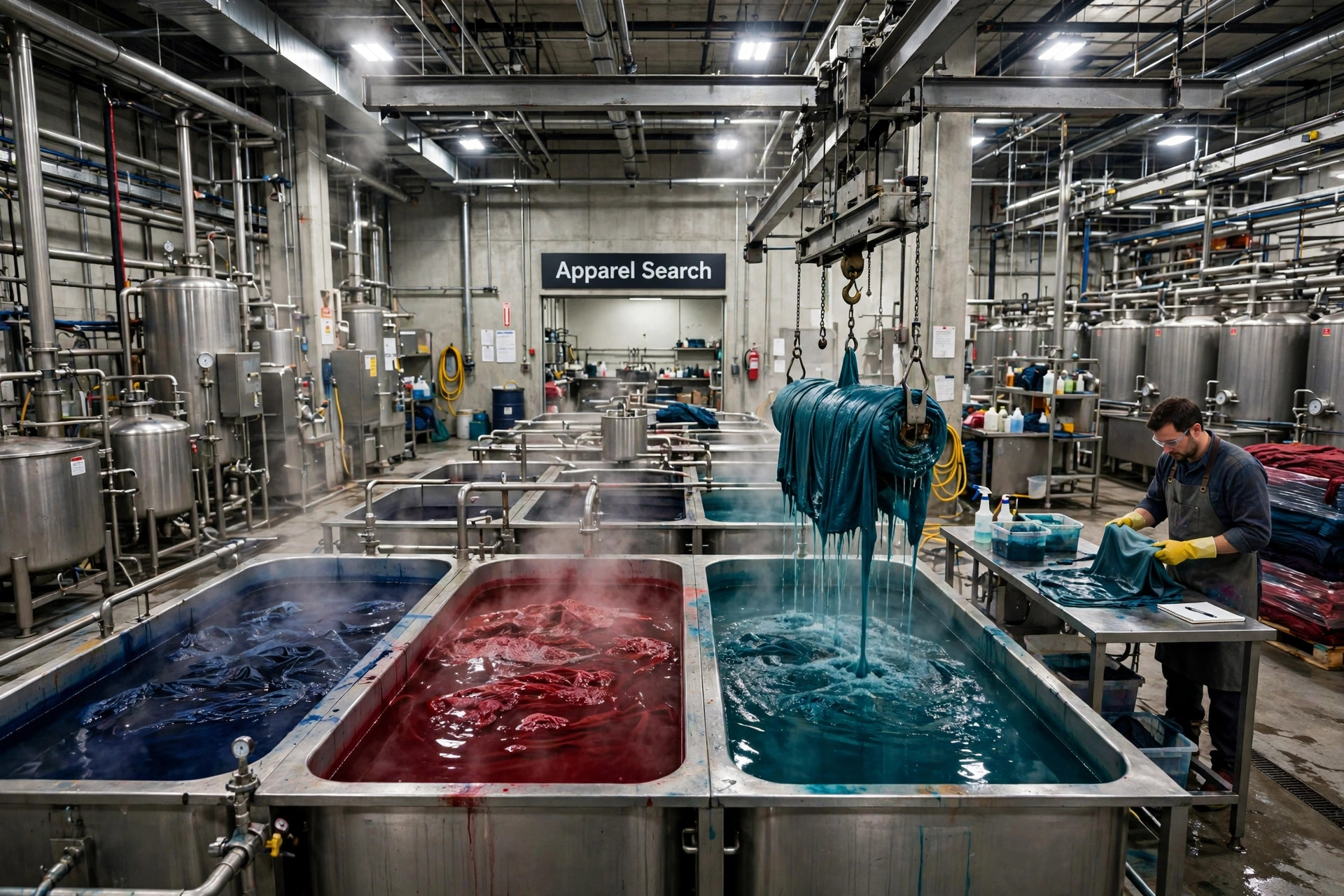
Walk into a weaving or knitting mill and the cloth coming off the machines is mostly a dull off-white. The industry calls it greige or grey goods, and nearly everything that makes fabric desirable happens to it afterward, in the part of the mill known as wet processing: preparation, dyeing and finishing. Dyeing is the half that puts color into the material itself — not on it, the way printing does. Finishing is the half that decides how the cloth will feel, drape, shrink, shine and perform once it becomes a garment. Between them, these processes account for much of the cost, most of the environmental scrutiny, and a large share of the quality problems in the apparel supply chain.
This guide walks through the whole sequence the way a student, sourcing manager or curious shopper actually meets it: which dyes bond to which fibers, at what stage color can be added, why some brands sew garments before dyeing them, what finishing machines and chemicals do to dyed cloth, how natural dyes really compare, and how a brand makes sure its navy is the same navy in every factory. If you are looking for companies that do this work rather than explanations of it, Apparel Search lists them in its dyeing and finishing directory — this cluster is the knowledge layer that sits beside those listings.
Dyeing, Defined
To dye a textile is to apply colorant in a form that bonds with the fiber or becomes trapped inside it, so the color is part of the material rather than a coating on it. That is the practical difference between a dye and a pigment: pigments sit on the surface, held by a binder; dyes form a relationship with the fiber itself, which is why dyed color survives washing that would strip a surface layer away. See the full glossary entry for dye in the Apparel Search definitions.
The Six Guides in This Cluster
Each guide below takes one part of wet processing in depth. Read them in order and you will have followed a fabric from grey goods to finished cloth.
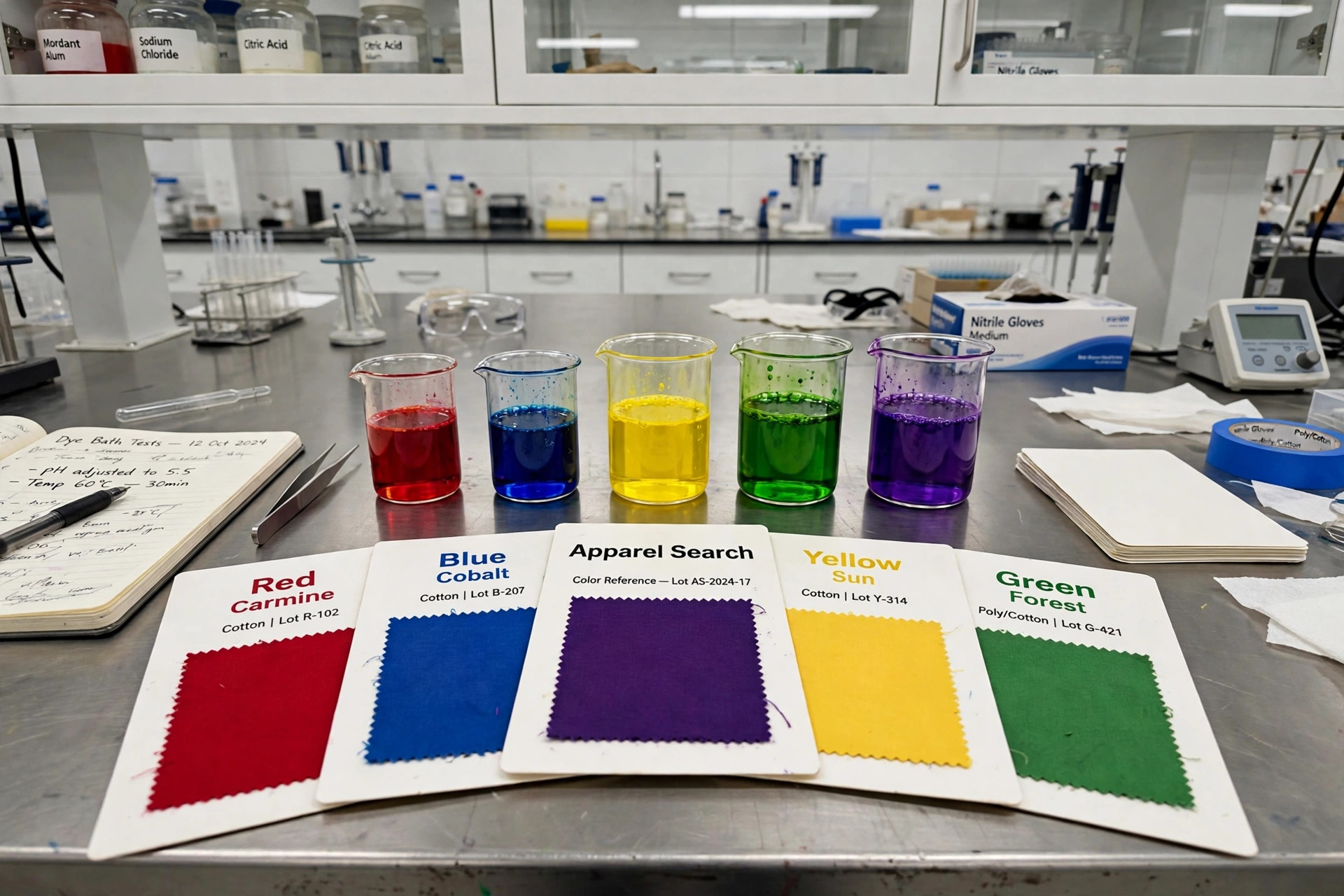 Types of Textile DyesReactive, disperse, vat, acid, direct and sulfur dyes — which dye colors which fiber, and why the match decides whether color lasts.
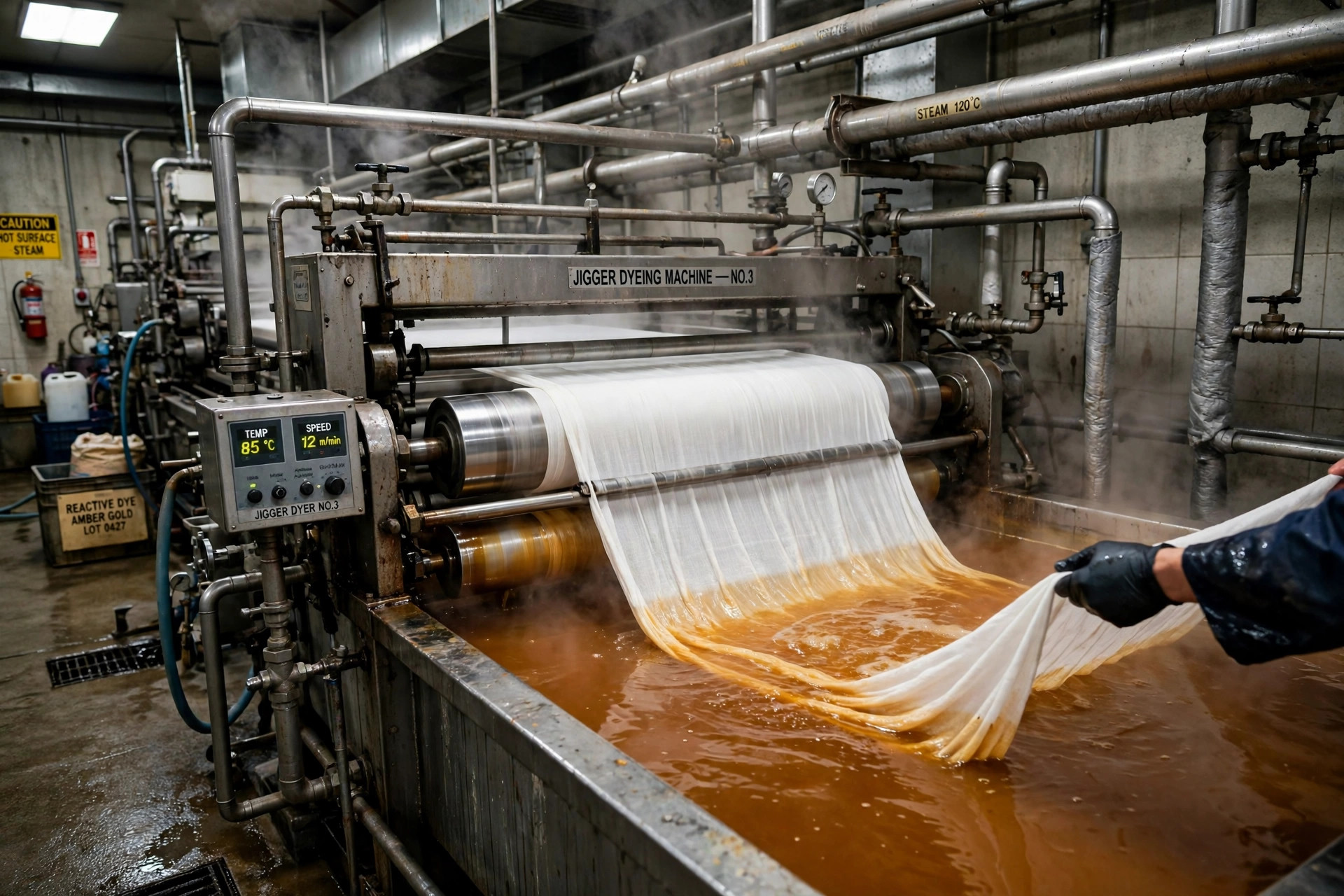 Dyeing Methods & StagesFiber, yarn, fabric and garment dyeing, batch and continuous — when color is added changes cost, lead time and flexibility.
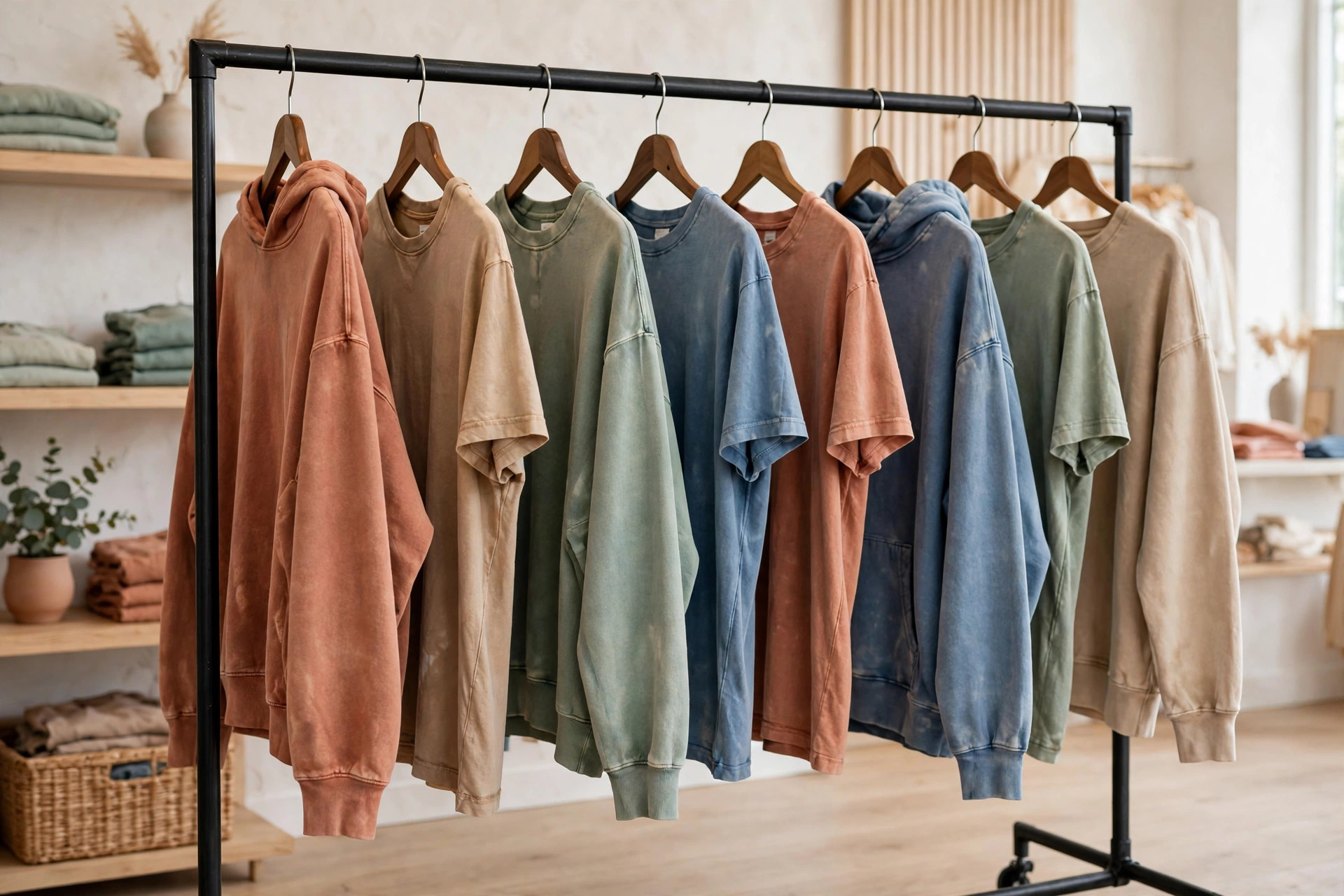 Garment Dyeing ExplainedWhy brands sew first and dye later: the soft, lived-in look, the late color decisions, and the trade-offs.
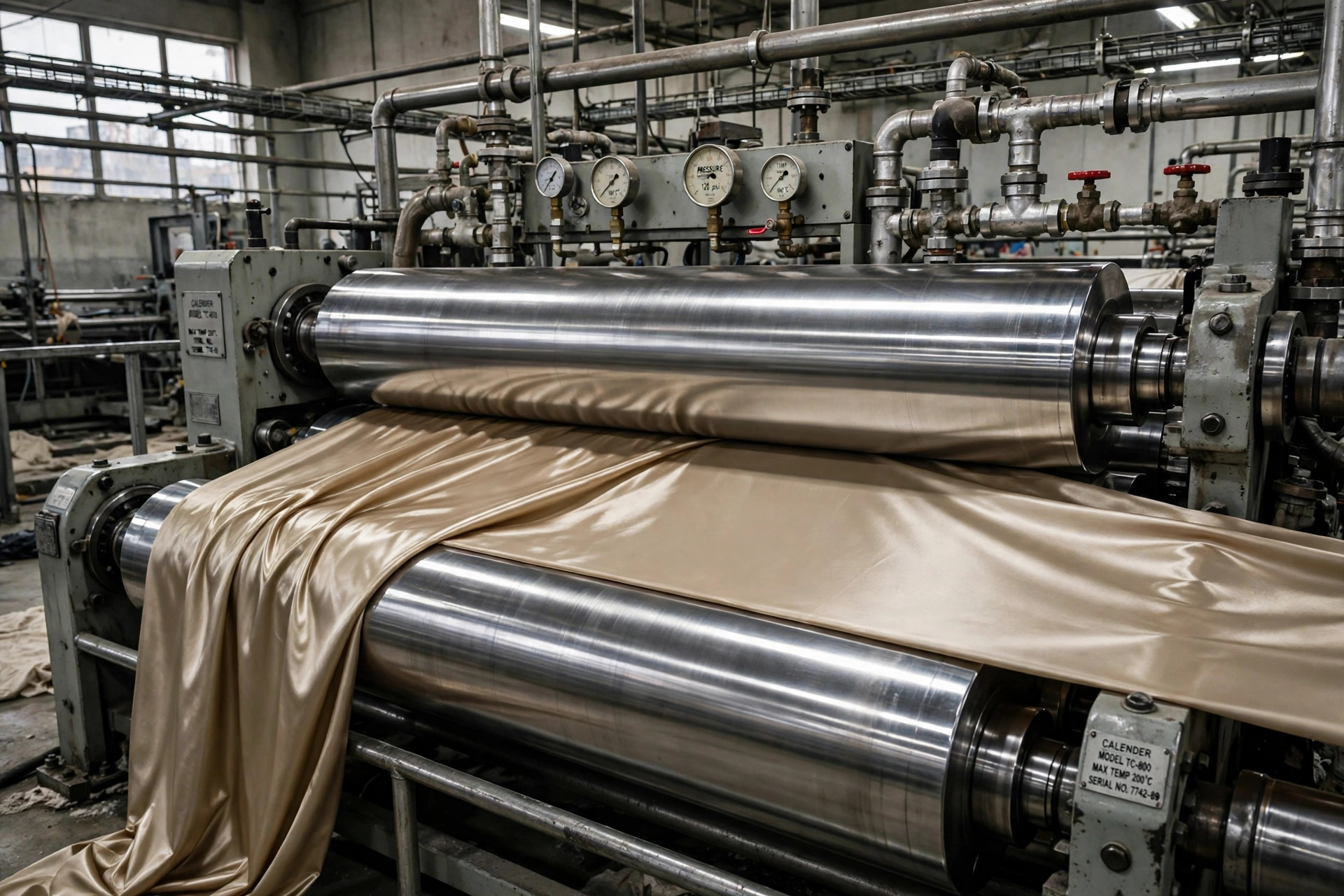 Textile Finishing ProcessesCalendering, sanforizing, mercerizing and the mechanical and chemical finishes that turn dyed cloth into finished fabric.
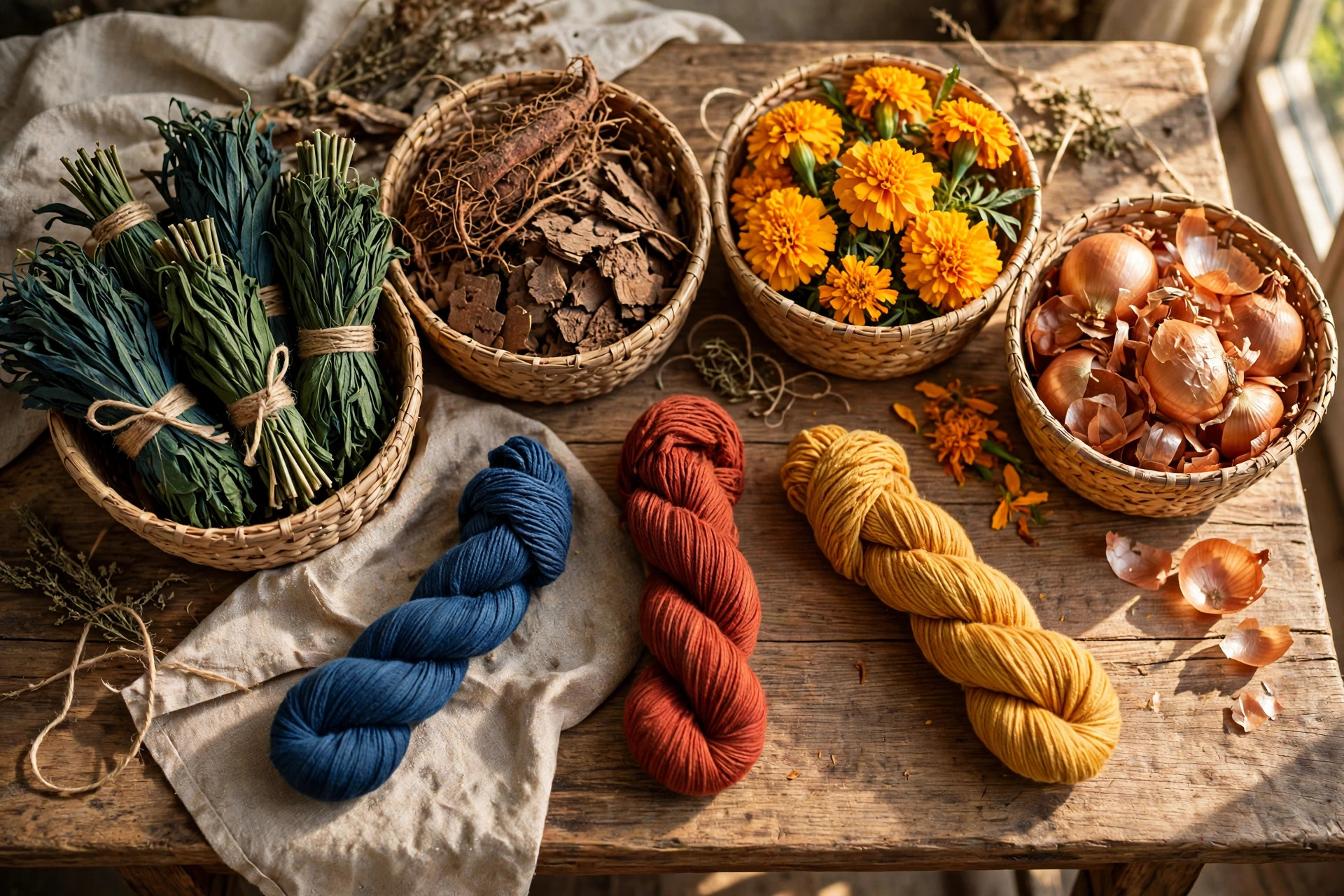 Natural Dyes & Low-Impact ColorIndigo, madder and mordants, honestly assessed — plus the lower-impact synthetic routes the industry actually scales.
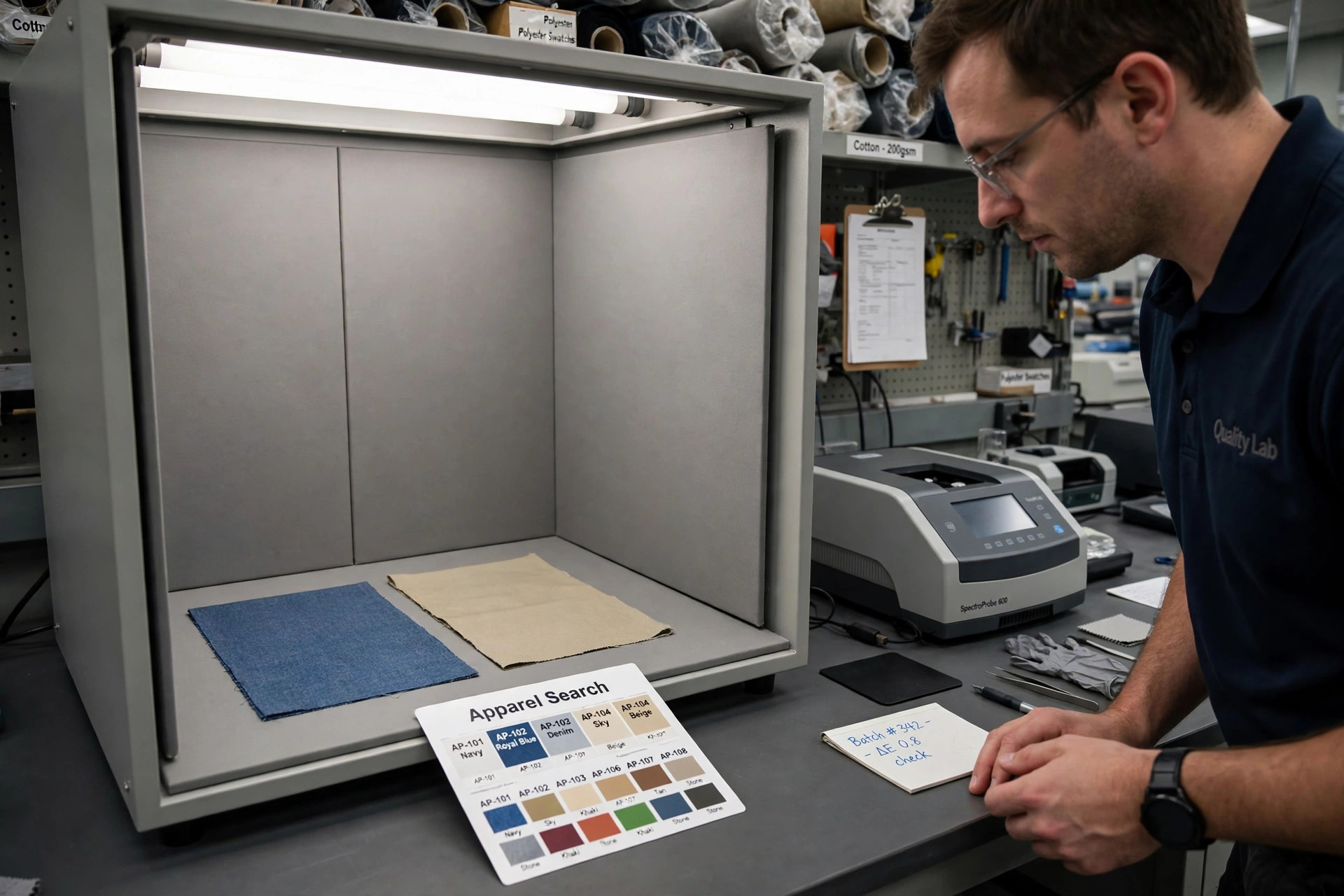 Color Matching & Shade ApprovalLab dips, light boxes, metamerism and Delta E: how a color standard becomes a thousand identical garments.
Dyeing: Matching Chemistry to Fiber
There is no universal dye. A colorant works only when it has an affinity for the fiber it is asked to color, and the major fiber families are chemically very different: cotton is cellulose, wool and silk are protein, polyester is a synthetic polymer with almost no reactive sites. Dyers therefore work with a small set of dye classes, each evolved for one fiber family — reactive dyes that form a true chemical bond with cotton, disperse dyes that dissolve into hot polyester, acid dyes that attach to wool, silk and nylon, vat dyes (including indigo) that are locked inside cellulosic fibers. The dye types guide lays out all six major classes and the fibers each one serves. The methods guide then covers the machines and stages — fiber, yarn, fabric or garment — at which those dyes are applied.
Finishing: Where Dyed Cloth Becomes a Product
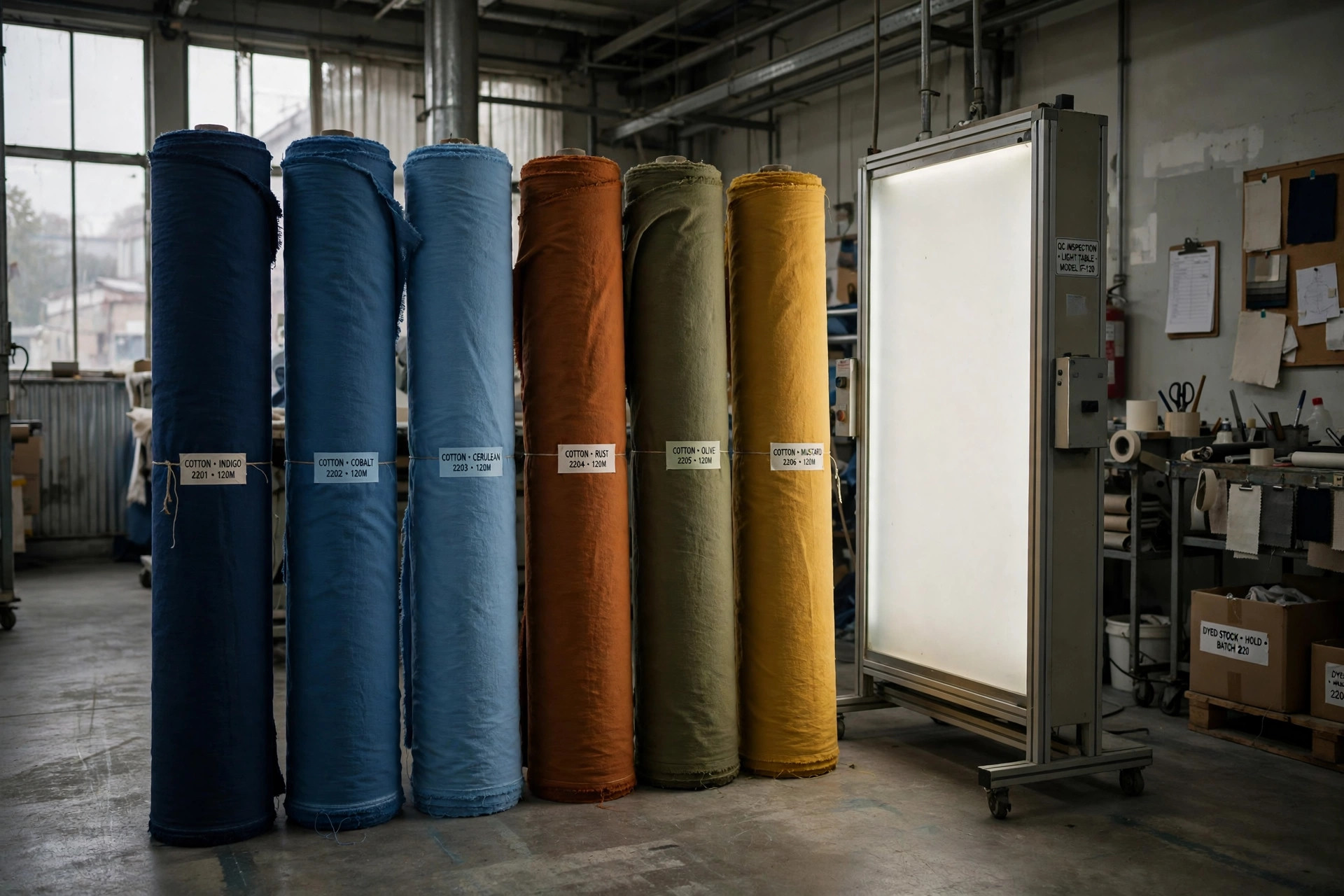
Dyed fabric is not yet usable fabric. It may be too wide or too narrow, prone to shrinking in the first wash, harsh to the touch, or missing the water resistance, wrinkle recovery or softness its end use demands. Finishing is the set of mechanical and chemical processes — singeing and calendering, compressive shrinking (sanforizing), caustic treatment (mercerizing), resin and repellent chemistry — that convert colored cloth into a specified, stable product. The finishing processes guide explains the main treatments and what each one changes. Where finishes are engineered for athletic performance — moisture management, durable repellency, stretch — the Performance Fabrics Guide takes over, since those finishes are designed and tested as part of the fabric system.
Finding Dyeing & Finishing Services
Brands and manufacturers looking for the trade itself — commission dyers, finishers, sample dyeing services and dye suppliers — will find them in the Apparel Search directories: the dyeing and finishing directory for services, the companion textile finishing page for finishing contractors and process background, and the dyes directory for colorant suppliers. The guides in this cluster explain the processes those companies sell, so you can specify work and judge results with the vocabulary the dyehouse uses.
Related Guides on Apparel Search
Common Questions
What is the difference between dyeing and printing?
Dyeing colors the whole material: the dye penetrates and bonds with the fibers, so the color runs through the fabric and shows on both sides. Printing applies color only in a pattern on the surface, using dyes or pigments in a printed paste or film. A printed fabric therefore starts as dyed or undyed cloth, while a dyed fabric is one even color — unless it was woven or knitted from yarns dyed different shades before the cloth was made.
Why does the dye have to match the fiber?
Each dye class bonds to a specific fiber chemistry. Reactive dyes form a chemical bond with cotton and other cellulosic fibers; disperse dyes dissolve into polyester at high temperature; acid dyes attach to wool, silk and nylon. Use the wrong class and the color has nothing to hold on to: it washes out, rubs off, or never takes in the first place. Matching dye to fiber is the first decision in every dyehouse recipe.
What is textile finishing?
Finishing is everything done to fabric to give it its final properties — mechanical processes such as calendering and sanforizing, and chemical treatments such as softeners, wrinkle-resistant resins and water repellents. Most finishing happens after dyeing, and it sets the fabric width, shrinkage behavior, hand feel, luster and performance before the cloth is cut into garments.
What does wet processing mean?
Wet processing is the collective name for the water-based stages of textile production: preparation (scouring and bleaching the grey cloth), dyeing or printing, and finishing. It is called the wet side of the mill because these stages use large volumes of water, steam and chemistry, unlike the dry mechanical stages of spinning, weaving and knitting.
Start With the Dye Classes
If you read only one guide in this cluster, make it Types of Textile Dyes. Once you know which dye bonds to which fiber, every dyehouse conversation, fabric specification and care label in the industry becomes easier to follow.