Women's Blank T-Shirts Guide
GSM, ringspun cotton and printer-ready blanks — how to pick the right undecorated tee for screen printing, DTG and more.
Shop Women's Blank T-Shirts Now
Shop Women's Blank T-Shirts on Amazon Shop Women's Blank T-Shirts on eBayThe Amazon and eBay links on this page are affiliate links. If you make a purchase through them, Apparel Search may earn a commission.
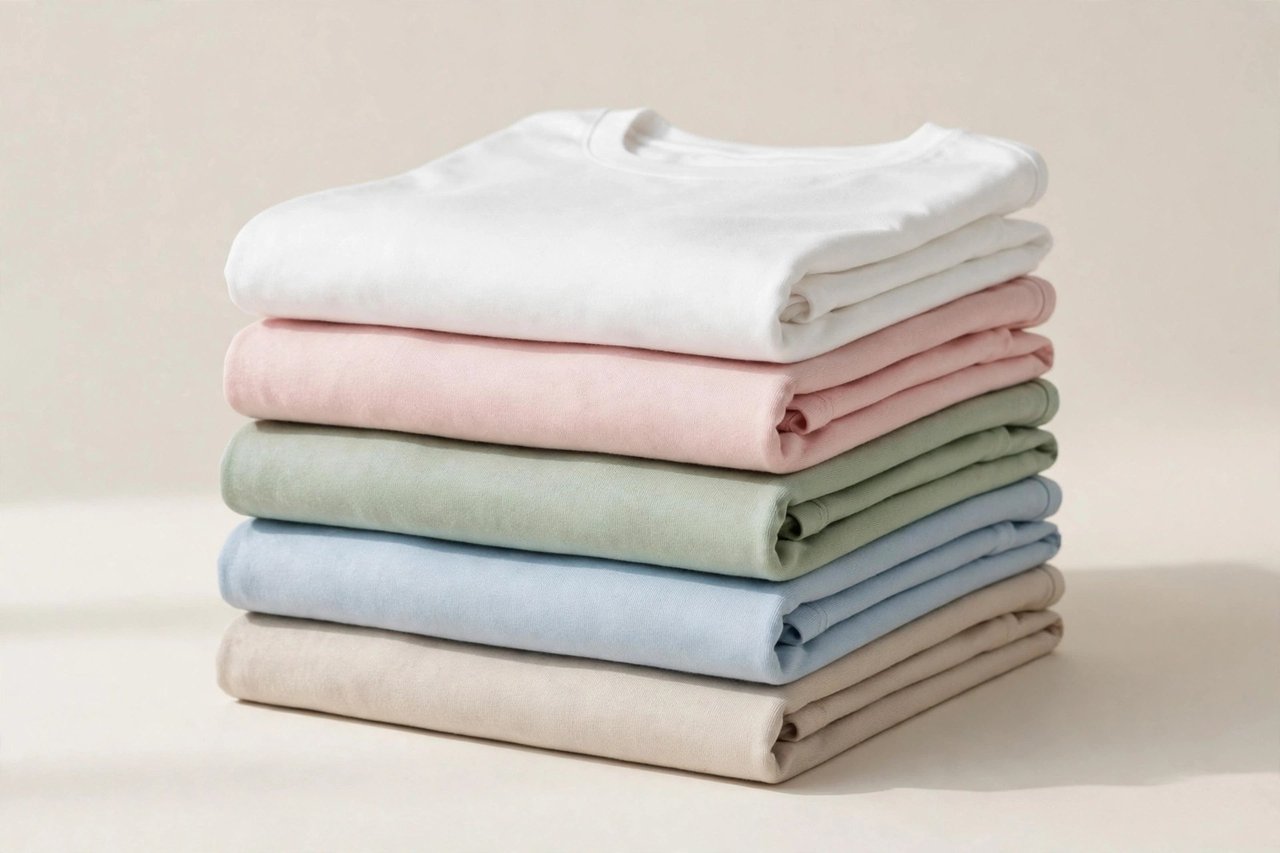
A blank t-shirt is a promise: an undecorated garment waiting for a team logo, a fundraiser design, a small brand's first run, or simply a perfect plain tee at a fraction of fashion-retail prices. Behind that simple idea sits surprising variety. Blanks differ in fabric weight, cotton quality, cut, and surface smoothness, and those differences decide whether a printed design comes out crisp and durable or fuzzy and disappointing. Women's blanks add their own dimension, because a genuinely women's cut — shaped waist, narrower shoulder, cap or standard sleeve options — prints and wears nothing like a boxy unisex tee. This guide decodes the specifications so you can order with confidence.
Fabric Weights and GSM Explained
Blank tees are sold by weight, expressed in ounces per square yard or in GSM (grams per square meter), and weight shapes both feel and print quality. Lightweight blanks around 3.5–4.3 oz (roughly 120–145 GSM) feel airy and fashion-forward, drape softly, and suit summer retail lines, though very light fabrics can show print texture and wear faster. Midweight blanks around 4.5–5.3 oz (150–180 GSM) are the all-purpose sweet spot: substantial enough for clean printing, comfortable year-round, and the standard for event and merch tees. Heavyweight blanks at 5.5 oz and above (185+ GSM) feel sturdy and premium, hold their shape through many washes, and are favorites for workwear, streetwear, and boxy vintage-style cuts. Higher weight is not automatically better — it is a style and use decision — but for printing, midweight and heavyweight fabrics give inks and transfers the stable, smooth surface they perform best on.
Cotton, Ringspun and Blends: Choosing Your Base
Carded open-end cotton is the budget workhorse: durable and inexpensive, with a slightly rougher surface that shows in fine print detail. Ringspun cotton is spun into smoother, stronger yarn, giving a softer hand feel and a cleaner printing surface at a modest premium — the most popular upgrade in the blank market. Combed ringspun goes further, removing short fibers for the smoothest face of all. Cotton-polyester blends, commonly 50/50 or 60/40, add wrinkle resistance, faster drying, and a heathered look in many colors, while tri-blends with rayon bring exceptional softness and drape for fashion blanks. The trade-off is print behavior: polyester content changes how inks bond, how heat presses must be set, and whether certain techniques work at all, which is why fabric choice and printing method must be decided together, never separately.
Matching Blanks to Printing Methods
Each decoration method has a favorite fabric. Screen printing is the most forgiving and the cheapest per shirt at volume; its inks sit crisply on cotton and blends alike, though very textured fabrics soften fine lines. Direct-to-garment (DTG) printing produces photographic, full-color art with no setup, but it demands smooth, high-cotton surfaces — ringspun 100 percent cotton is ideal — and results on high-polyester blends come out faded and uneven. Heat transfer vinyl and transfer prints work across most fabrics with correct temperature settings, making them flexible for small runs and names-and-numbers jobs. Sublimation is the exception that proves the rule: it requires polyester, ideally light-colored or white, and simply will not bond to cotton. Embroidery prefers the stability of midweight and heavyweight blanks so the fabric does not pucker around the stitching. Tell your printer the exact blank you have chosen before artwork is finalized; experienced printers adjust screens, inks, and pretreatments to the garment.
Women's Blank Styles and Fit Options
Women's blanks come in a real range of silhouettes. Classic women's tees offer a shaped body, shorter length, and narrower shoulders in crew or V-neck. Relaxed and boyfriend cuts keep a straighter body with more room, popular for band merch and casual brands. Fitted fashion blanks in lighter ringspun or tri-blend fabrics hug closer and suit retail-style lines. Cropped, boxy, scoop-neck, dolman, and raglan blanks serve trend-driven projects, while long-sleeve and tank blanks round out seasonal programs. Sizing in women's blanks runs less standardized than unisex, so always work from the manufacturer's chest and length measurements rather than assuming your usual size, and order a sample in each size before committing to a run — a five-dollar sample prevents a five-hundred-dollar mistake in misfit inventory.
Buying in Bulk and Preparing to Print
Bulk pricing rewards planning: blanks are sold by the dozen or case, with price breaks that deepen sharply by quantity, and white almost always costs less than colors. Build your order around realistic size curves for women — mediums and larges usually dominate, with fewer at the extremes — and add a small overage of each size for misprints, since an exact-count print run leaves no room for the one shirt that will inevitably go wrong. Check whether your supplier allows mixed colors within a case price. Before printing, have samples washed and worn: some blanks shrink a full size or twist at the side seams after laundering, and discovering that after a production run is painful. Keep one unprinted sample of the exact blank, color, and size run archived with your order paperwork, so reorders match precisely even if you switch printers later.
Related Women's Guides
More to Explore
Photos

Looking for Women's Clothing Stores?
This guide helps you choose women's blank t-shirts by style and fabric. To browse where to buy, visit our women's clothing store directory, where you can find retailers that carry them.