Women's Lightweight Fleece Jackets Guide
Just enough warmth, almost no bulk — the layer for cool mornings, breezy evenings and everywhere in between.
Shop Women's Lightweight Fleece Jackets Now
Shop Women's Lightweight Fleece Jackets on Amazon Shop Women's Lightweight Fleece Jackets on eBayThe Amazon and eBay links on this page are affiliate links. If you make a purchase through them, Apparel Search may earn a commission.
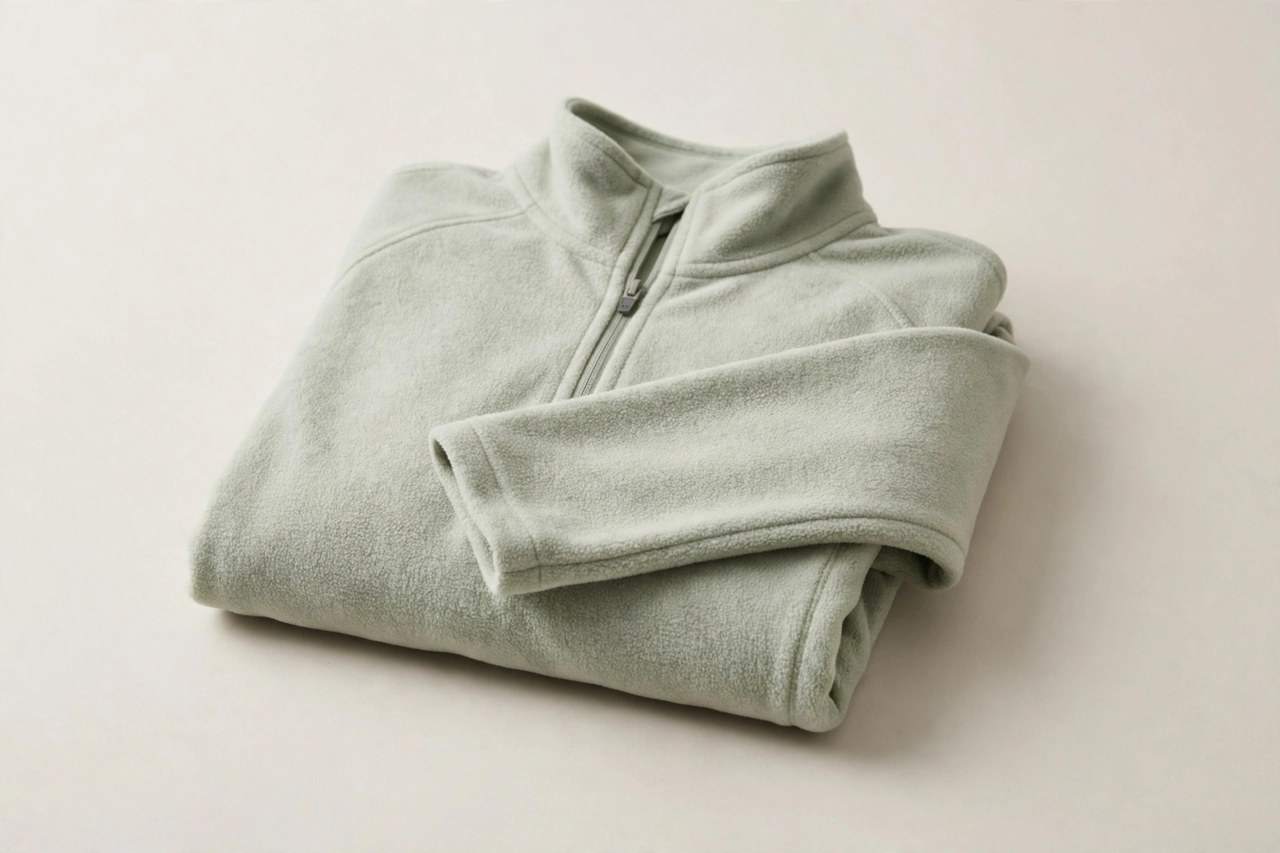
A lightweight fleece jacket is the thinnest, most breathable member of the fleece family — typically a microfleece or 100-weight fabric that feels closer to a substantial long-sleeve top than to a winter coat. The original Apparel Search guide put it simply: a lightweight fleece is fantastic for moderately cool days or for layering, perfect when you do not want medium or heavy weight. That is still the whole idea. It takes the edge off an air-conditioned office, a dawn walk or a breezy evening, packs down to almost nothing, and slides under a rain shell or winter coat when the weather turns. If you run warm, travel light or live somewhere mild, this may be the fleece you wear most often.
When Lightweight Beats Heavier Fleece
Heavier is not better when you are moving. On hikes, runs, cycle rides and busy days on your feet, your body makes its own heat, and a thick fleece quickly becomes a sweaty burden you end up carrying. A lightweight fleece breathes freely, so moisture escapes instead of building up, and it dries in a fraction of the time after a shower or a wash. It is the right weight for spring and autumn days that start cool and warm up, for summer evenings at altitude or by the coast, and for layering in deep winter, when a thin fleece under a proper coat adds warmth without the Michelin-man bulk of a heavy mid-layer. Think of it as insulation you can fine-tune, not a coat you commit to.
Travel: The Packable Layer That Earns Its Space
Few garments justify suitcase space like a lightweight fleece. It rolls or folds to the size of a water bottle, weighs very little, resists wrinkles and comes out of the bag ready to wear. On a plane it works as an extra blanket layer against cabin air conditioning; in a daypack it covers museum chills, evening strolls and unexpected weather without weighing you down. Because fleece is synthetic, it washes easily in a hotel sink and dries overnight — a genuine advantage on multi-stop trips. Choose a mid-tone or heathered colour that hides travel marks, with zip pockets to keep a passport, card and phone secure in transit. Many travellers find one lightweight fleece replaces a cardigan, a hoodie and a light jacket in a single packing slot.
Styles: Full-Zip, Pullover and Hybrid Designs
Lightweight fleeces come as full-zips, quarter-zips, half-zips, snap pullovers and crew-neck tops, and each suits a different routine. Full-zips are the most jacket-like and the easiest to layer over shirts. Pullovers feel softer and simpler, with no zip bulk at the front — good under a shell. Hybrid designs mix fleece with woven panels at the shoulders or chest for wind resistance, or use grid-backed fleece that traps warmth in tiny squares while venting through the channels between them. Hooded lightweight fleeces add genuine warmth for the head and neck on breezy days. Whatever the style, the fabric should feel smooth enough not to grab the layer beneath it, so pieces slide rather than twist as you move.
Fit and Layering Under Shells
A lightweight fleece earns its keep in a layering system, so fit it accordingly. As a mid-layer it should sit close but not tight, with sleeves long enough to stay at your wrists when you reach, and a hem that stays below your waistband under a pack belt. Raglan or set-in sleeves with flat seams sit most comfortably under shell jackets and rucksack straps. As a standalone top layer, a slightly more relaxed cut with room for a tee beneath is more useful. Check the collar: a low or soft collar layers best under a hooded shell, while a stand collar gives more neck warmth worn alone. If you plan to wear it both ways, a regular fit in a grid or smooth-face fleece is the most forgiving compromise.
Styling and Simple Care
Lightweight fleece has a clean, minimal look that styles beyond the trail. A slim full-zip in black or navy works over dresses and with trousers for casual workplaces; a quarter-zip over a tee with jeans is a weekend uniform; soft pastels and heathers pair naturally with leggings and trainers. Because the fabric is thin, a neat fit looks smarter than a slouchy one. Care could not be easier: machine wash cool, inside out, zip closed, and dry low or on the line. Skip fabric softener to protect breathability, and wash with similar synthetics to limit lint transfer. The fabric's quick-drying nature means a fleece washed in the evening is ready again by morning — one more reason it becomes a daily habit.
More Women's Fleece Guides
More to Explore on Apparel Search
- Clothes
- Fashion
- Fleece Weights
- breathable fabrics
- Women's Heavyweight Micro-fleece Quarter Zip Mock
- Women's Fleece Hats
- Women's Fleece Long Sleeved Zip Sports Shirt
- Women's Fleece Pajamas
- Women's Fleece Pants
- Women's Fleece PJ
- Women's Fleece PJ Set
- Women's Fleece Robes
- Women's Fleece Shirts
- Women's Fleece Sweatshirts
- Women's Printed Fleece Clothing
- Women's Solid Fleece Pant
Looking for Women's Clothing Stores?
This guide helps you choose women's lightweight fleece jackets by weight, packability and fit. To browse where to buy, visit our women's clothing store directory, where you can find retailers that carry them.