Women's Petite Wedding Dress Guide
A petite wedding dress is proportioned before it is shortened: the bodice, waistline, skirt volume and detail placement are scaled for a frame 5'4" and under, so alterations finish the fit instead of rescuing it.
Shop Women's Petite Wedding Dress Now
Shop Women's Petite Wedding Dress on Amazon Shop Women's Petite Wedding Dress on eBayThe Amazon and eBay links on this page are affiliate links. If you make a purchase through them, Apparel Search may earn a commission.
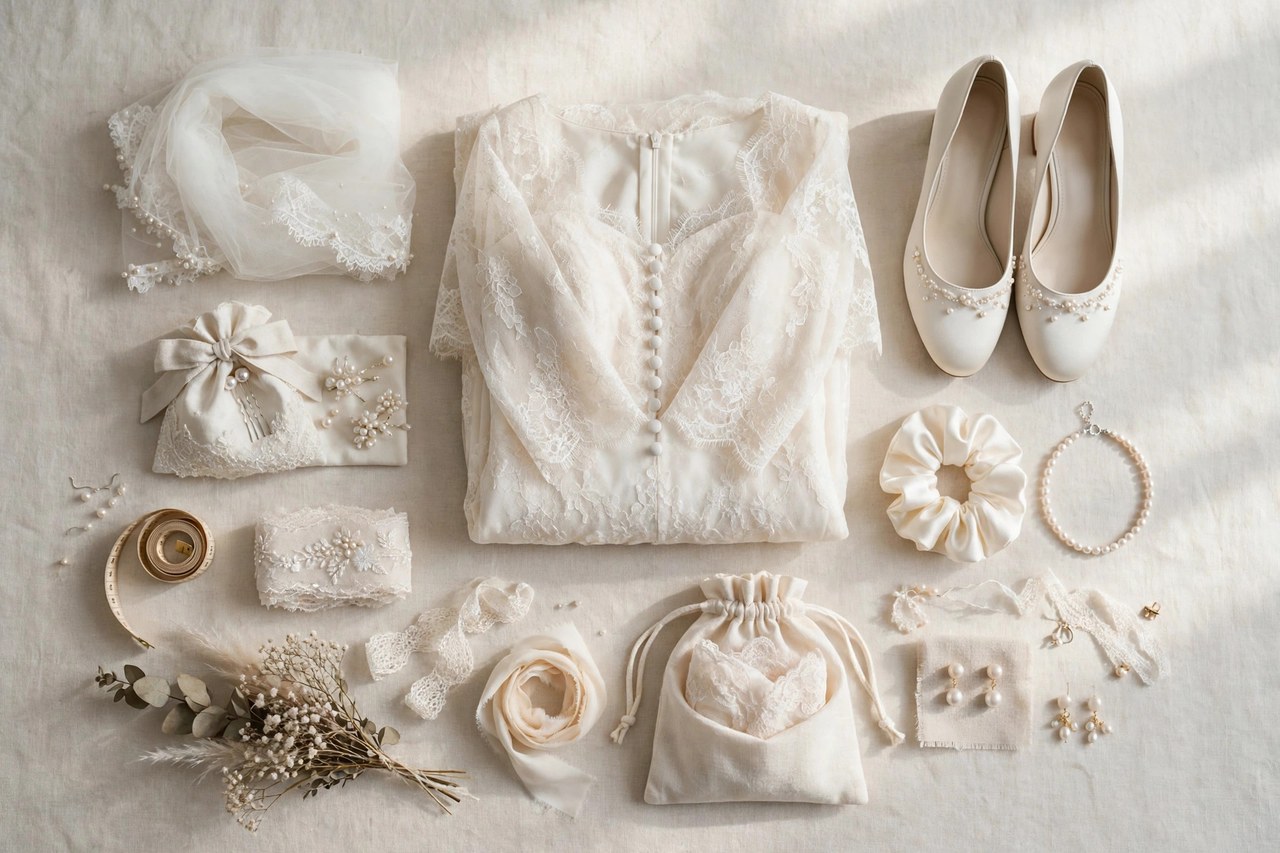
A wedding dress is the most fitted, most photographed and most altered garment most women ever buy, which is why starting from a petite pattern matters more here than anywhere else in the wardrobe. Petite bridal ranges are drafted for women 5'4" and under: bodices are shorter from shoulder to waist, waistlines sit at a petite natural waist, skirts are proportioned in length and volume, and lace, beading and applique are scaled and placed for a smaller frame.
This guide covers the silhouettes that work in petite proportions and why, necklines and sleeves in scaled cuts, the fabrics bridal is made from, and how fittings and alterations differ when the dress starts petite. The companion wedding gowns guide looks at the most formal, full-length end of the same category in more depth.
Silhouettes in Petite Proportion: A-Line, Sheath, Fit-and-Flare
The A-line is the most forgiving petite silhouette: fitted through a shortened bodice, it flares gradually from a correctly placed waist, lengthening the line without volume at the hip. The sheath and column follow the body closely and create one unbroken vertical line, an excellent petite strategy when the fabric has enough structure to skim. Fit-and-flare and mermaid styles place the flare lower; in petite versions the flare begins higher, relative to a shorter leg, so the proportion reads as designed rather than cut off.
The ballgown is possible for petites when it is genuinely scaled: a smaller skirt volume, a shorter bodice and a waist seam at the natural waist keep the dress wearing the bride instead of the reverse. Tea-length and short wedding dresses sidestep length entirely and suit informal, city hall and second celebrations. Empire waistlines, raised just under the bust, lengthen the skirt line on a petite frame and are a classic petite bridal choice. In every silhouette, the rule is the same: vertical lines and correct waist placement lengthen; horizontal breaks at the wrong point shorten.
Necklines, Sleeves and Scaled Details
Necklines in petite bridal are narrower across the shoulder. A V-neck lengthens a short torso and is cut to a depth proportioned to it; sweetheart and scoop bodices are sized smaller so they sit on the bust rather than above it; boat necks are trimmed in width so they do not widen a narrow frame. Straps, when present, are set closer together for narrower shoulders and are less likely to slip during a long day of movement and dancing.
Sleeves follow petite arm length: a three-quarter sleeve ends below the elbow as intended, cap sleeves are smaller, and long lace sleeves finish at the wrist without the extra inches that pool on a petite arm in a regular gown. Detail scale is the quiet difference — lace motifs, beading clusters, buttons down the back and applique borders are all reduced and placed higher on a petite bodice, so the decoration sits at the bust and waist it was designed for.
Fabrics and Construction
Bridal fabrics run from structured to fluid. Satin and mikado hold an A-line or ballgown shape and photograph with a clean sheen; crepe skims in sheath styles and packs a long line into a light garment; lace — Chantilly, Alencon, guipure — supplies texture and tradition, in scaled motifs on petite gowns; tulle and organza build skirt volume without weight, which is how a petite ballgown keeps its airiness in check.
Construction decides comfort across a ten-hour day. Look for internal structure suited to the silhouette: boning or a built-in corset in strapless bodices, cups sewn in, and a waist stay that keeps a shortened bodice anchored at the petite waist. Skirts may need a bustle for the reception, and the bustle points are set during alterations relative to your height and shoe. Try the dress seated, walking and raising your arms in your actual shoe height before the final fitting.
Fittings, Alterations and Buying Tips
Order a petite size by your largest measurement — bust, waist or hip — and plan to tailor the rest; bridal is cut to be altered, but petite alterations are adjustments rather than surgery. A regular gown made petite after the fact can require the bodice to be re-proportioned, lace to be lifted and re-applied, and hems to be taken from the waist, all costly and sometimes impossible with beaded fabric. Starting petite avoids most of that, leaving standard work: hem to your shoe, strap and bodice tweaks, and the bustle.
Begin shopping nine to twelve months ahead where possible, keep the shoe height decision before the first fitting, and budget alterations as part of the dress price. Bring the undergarments and shoes you will wear to every fitting. Store the dress in a breathable garment bag, away from light, and have it professionally cleaned and preserved after the day if you plan to keep it. The right petite dress should need no explanation in photographs — just correct proportion, everywhere.
Related Women's Guides
More to Explore on Apparel Search
- Petite Clothing Stores
- Clothes
- Petite Clothes
- Petite Clothes 2
- women's wedding dresses
- petite party dresses
- mother-of-the-bride dresses
- mother of the groom dresses
- petite cocktail dresses
- difference between a dress & gown
- petite size clothing measurements
- Bridal Fashion Stores
- Bridal Shoe Stores
- about petite clothing
Looking for Women's Clothing Stores?
This guide helps you choose women's petite wedding dress. To browse where to buy, visit our women's clothing store directory, where you can find retailers that carry them.