Women's Plus Size Shawls Guide
A plus size shawl offers the extra length and width a fuller frame needs to drape over the shoulders, cross the front and stay in place as an evening wrap or cool-weather layer.
Shop Women's Plus Size Shawls Now
Shop Women's Plus Size Shawls on Amazon Shop Women's Plus Size Shawls on eBayThe Amazon and eBay links on this page are affiliate links. If you make a purchase through them, Apparel Search may earn a commission.
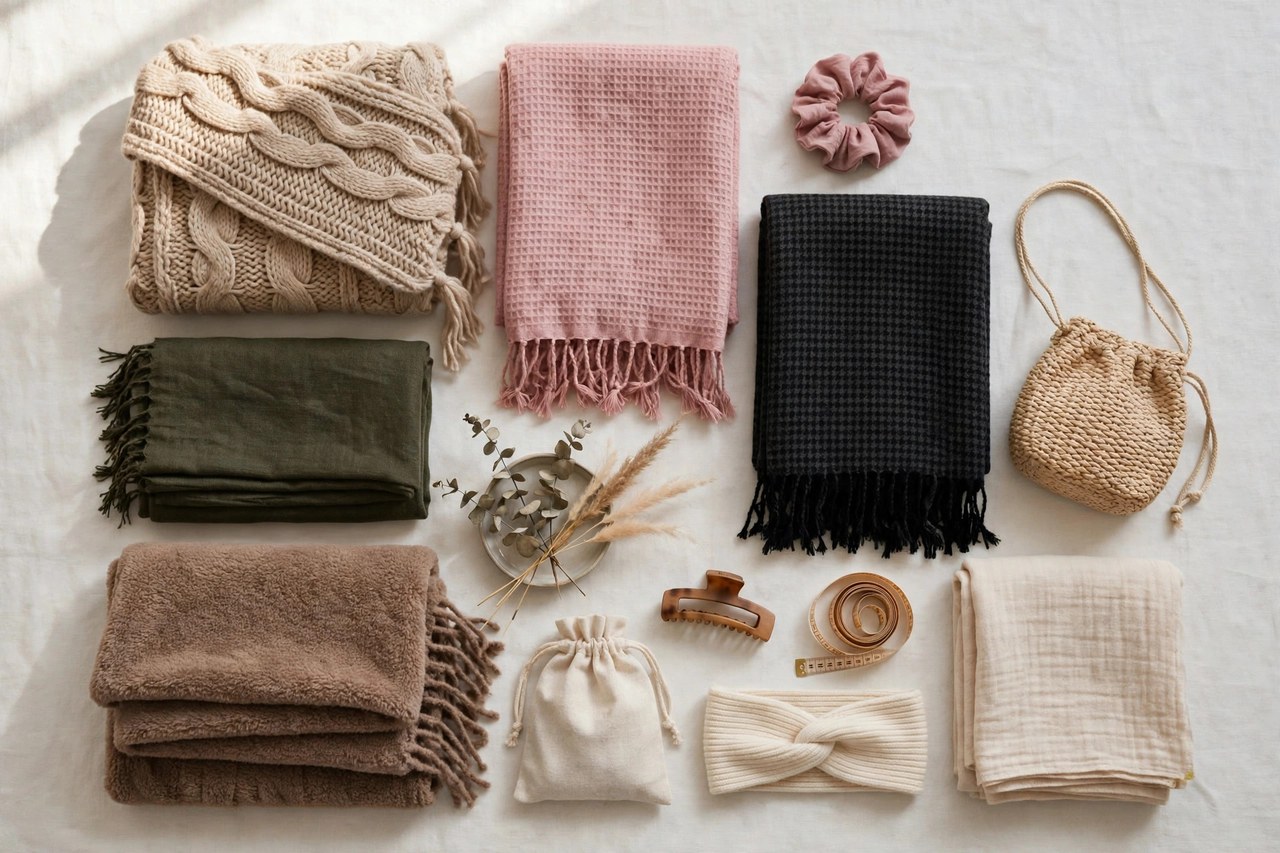
A shawl fails a plus size wearer in one predictable way: it runs out of fabric. A standard wrap that circles a smaller frame with fabric to spare barely meets at the front on a fuller bust and broader shoulders, so it slips, gaps and refuses to stay arranged. Plus size shawls add length and width in proportion, giving enough cloth to drape over the upper arms, cross the front with overlap and still leave ends that hang at an intentional length.
This guide covers the dimensions that make a shawl genuinely plus size, the main styles from formal evening wraps to casual knit and travel shawls, the fabrics and how each drapes on a fuller frame, and simple ways to wear and secure one. It also explains care for delicate weaves and fringes. A shawl is one of the few one-size categories in clothing, which makes reading its measurements, rather than its label, especially important before you buy.
Dimensions: How Much Fabric Is Enough
Start with two numbers. Length is the long edge that wraps around the body; for comfortable plus coverage look for roughly seventy-two inches or more, which allows the shawl to pass around the shoulders and bust and still cross at the front. Width, the drop from shoulder to hem, should run about twenty-seven to thirty-six inches so the fabric covers the upper arm and reaches toward the elbow rather than perching as a narrow strip across the back.
Wraps sold as oversized rectangles, ruana-style open panels and large pashmina-format shawls often meet these numbers even without a plus label, while small fashion wraps and shrug-scale pieces rarely do. Hold the dimensions against a tape measure around your own shoulders at home before ordering. Fringe adds visual length but no coverage, so measure the woven body of the shawl, not fringe tip to fringe tip, when you compare two options side by side.
Styles: Evening, Knit, Ruanas and Travel Wraps
Evening shawls in chiffon, satin, velvet or beaded fabrics finish sleeveless gowns and cocktail dresses, adding coverage for shoulders and upper arms at weddings and formal events; plus widths keep the wrap in place through an evening instead of sliding off with every movement. Knit shawls in triangular or rectangular shapes bring real warmth and suit everyday outfits, while ruanas add side openings that stay put without any arranging at all.
Travel and casual wraps in soft acrylic, viscose or cotton blends fold small, resist wrinkles and double as an airplane layer or an improvised blanket, and their generous cut is naturally plus friendly. Bridal and occasion shawls in lace or fine net need the same dimension check, since a too-narrow lace wrap reads as an afterthought. Choose the style by job first, warmth, coverage, polish or all three, then confirm the measurements deliver it.
Fabrics and How They Drape
Fabric decides whether added size drapes gracefully or adds bulk. Fluid fabrics such as chiffon, georgette, viscose and lightweight satin skim over curves and pack small, but offer little warmth and can slip on smooth dress fabrics. Wool, cashmere blends and heavier knits stay where they are placed and insulate properly, though a very thick weave in a generous width can feel cumbersome, so favor fine-gauge knits that give warmth without stiffness or extra volume at the neckline.
Pashmina-style blends of fine wool and silk are the versatile middle ground: warm, soft and fluid enough to knot neatly. Sequined, beaded and metallic shawls are occasion-only and need checking at the edges, where embellishment should not scratch bare arms. Whatever the fabric, drape improves when the shawl is wide enough to fall in soft folds; a too-narrow shawl of even the finest fabric pulls taut across the back and rides up, which no fiber quality can correct.
Wearing, Securing and Care
Three arrangements cover most needs. Drape the shawl evenly with ends hanging in front for classic evening coverage. Cross the ends and toss one over the opposite shoulder for warmth and security in wind. Or belt a wide shawl over a plain dress at the waist for a structured, poncho-like layer that cannot slip at all. A brooch or shawl pin at one shoulder secures slippery fabrics, and a small knot at the back keeps a working wrap out of the way.
Care follows the fiber: wool and cashmere blends prefer gentle hand washing or dry cleaning and flat drying, chiffon and satin need cool gentle handling to protect their surface, and knits should be stored folded rather than hung so the weight of generous fabric does not stretch the shape. Keep fringe combed straight before storing and keep embellished wraps separated in a soft bag. Chosen by measurement, one formal and one warm plus size shawl will serve for years.
Related Women's Guides
More to Explore on Apparel Search
Looking for Women's Clothing Stores?
This guide helps you choose women's plus size shawls. To browse where to buy, visit our women's clothing store directory, where you can find retailers that carry them.