Women's Special Occasions Dress Guide
A special occasion dress is the garment an event's dress code is really about — and choosing one means reading the occasion before reading the rack.
Shop Women's Special Occasions Dress Now
Shop Women's Special Occasions Dress on Amazon Shop Women's Special Occasions Dress on eBayThe Amazon and eBay links on this page are affiliate links. If you make a purchase through them, Apparel Search may earn a commission.
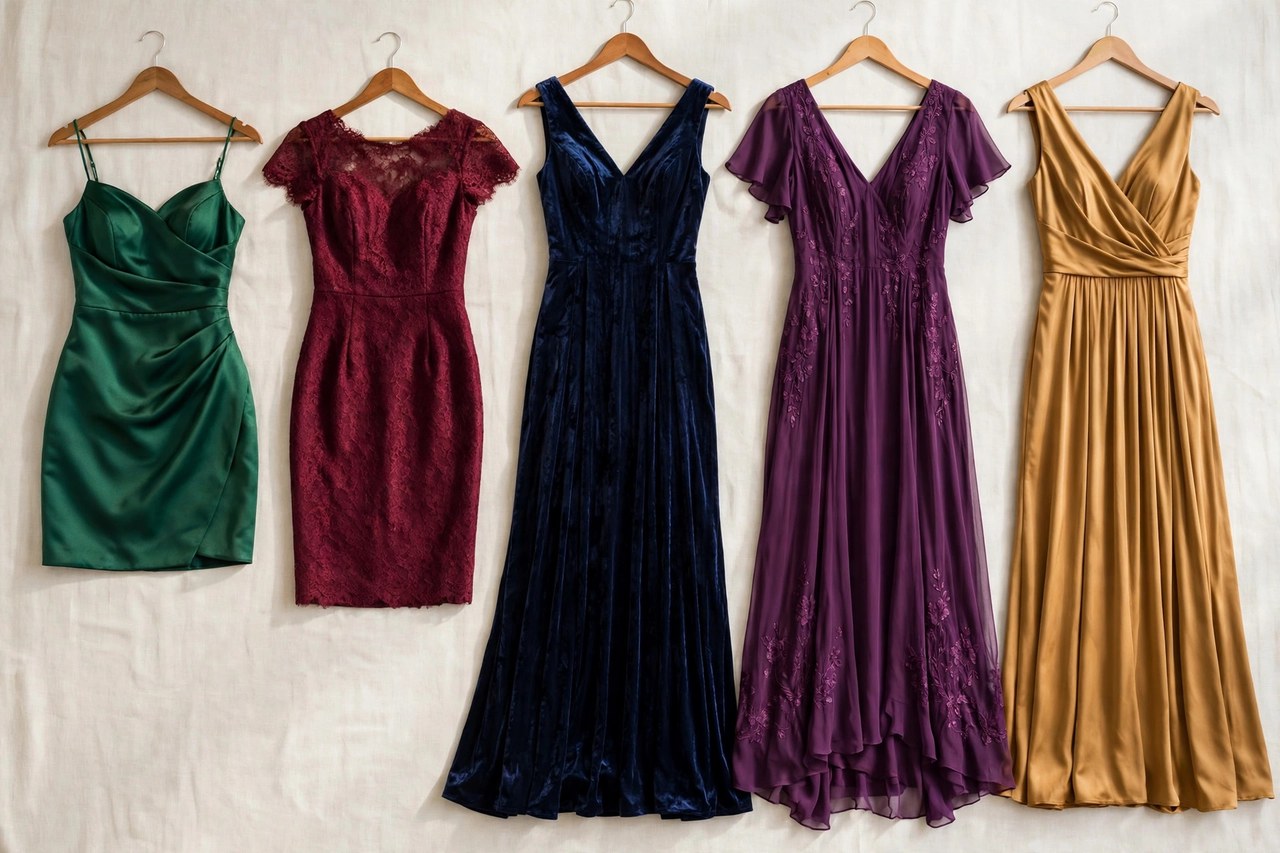
A special occasion dress is a dress chosen for an event with a dress code attached: a wedding, a prom, a gala, a formal dinner, a graduation celebration. Where an ordinary dress only has to please its wearer, an occasion dress has a second job — it has to be correct for the room. Too casual reads careless, too grand can upstage a host, and the invitation, venue and hour are the real specification sheet.
This guide covers the dress itself: the formality ladder from cocktail to black tie, the lengths and silhouettes that belong at each rung, occasion fabrics and colors, and fit. Its companion page covers the special occasion shoes that complete the outfit — pick out the shoes to go along with the dress, and the order matters: dress first, because the dress sets the terms for everything else.
Reading the Occasion: Dress Codes Decoded
Cocktail attire is the most common instruction and means a knee-length or midi dress in a dressed fabric — not a sundress, not a gown. Formal and black tie raise the floor: floor-length gowns are the classic answer, with very dressed long separates or an exceptionally formal cocktail dress accepted at some modern events. Black tie optional permits the long dress or the formal short one, and semi-formal sits one step below cocktail, where a neat midi in a good fabric is exactly right.
Weddings add host rules: never white or its near neighbors unless the couple says so, respect religious venues on shoulders and hemlines, and read the venue itself — a garden wedding and a hotel ballroom at the same dress code still produce different dresses, because ground, weather and photographs differ. When in doubt, ask the host what they picture. Nobody has ever been embarrassed by asking, and many people have been embarrassed by guessing grandly in the wrong direction.
Silhouettes and Lengths
The occasion canon is a short list of proven shapes. The sheath is clean, close and cocktail-correct everywhere. The A-line flares from the waist, forgives everything and suits proms, weddings and galas alike. The fit-and-flare adds a defined bodice and a fuller skirt made for dancing. Column and mermaid gowns are the dramatic end of the range, floor-length and formal, and they demand the most of fit and undergarments. The wrap dress in a luxury fabric is the modern guest's reliable answer at midi length.
Length communicates formality more than embellishment does. A heavily beaded short dress is still a cocktail dress; a plain floor-length column is still formal. Choose length by dress code first, then by what you enjoy wearing for six hours — sitting, eating, dancing and being photographed in. Try every candidate sitting down and raising a glass; occasion dresses fail at the table more often than on the dance floor, and both were in the job description.
Fabrics and Colors for Occasions
Occasion fabrics signal effort through surface and structure: satin and silk for sheen, chiffon and tulle for float and layering, lace for texture, crepe for a matte, sculpted line, velvet for winter formality, and sequined or beaded fabrics when the event itself is the sparkle. Fabric also sets the season — velvet in July and chiffon in January both look like the calendar was ignored — and it sets the care bill, since most of these are dry-clean or specialist-clean garments.
Color strategy splits two ways. Jewel tones and black are the perennial evening answers; black is fully correct at formal evening events and most weddings now, though some hosts still find it somber at daytime ceremonies. Pastels and florals belong to daytime and spring occasions. Metallic fabrics act as neutrals with volume turned up. Whatever the color, test it in evening light and in flash photography if pictures matter — some fabrics photograph a full shade away from how they look in the shop mirror.
Fit, Finishing and Rewear
Occasion dresses are the garments most worth tailoring. The alterations that matter are hem length with the actual shoes on, strap and shoulder fit, and waist placement — small changes that convert a good dress into a correct one. Buy for the largest measurement and tailor down; a dress that fits the hips can be taken in at the waist, while the reverse is not available. Undergarments are part of the fitting: try the dress with the exact bra, shapewear and shoes intended for the event.
Finally, buy with rewear in mind and the economics change completely. A classic cocktail sheath in a deep color can serve a decade of events with different shoes, jewelry and wraps; a very specific, very embellished gown usually serves one. Store the dress clean, on a padded hanger or folded in acid-free tissue if beaded, and note the cleaning instructions in the box. The best special occasion dress is not the most spectacular one you ever wear — it is the one that is right every time the invitation drawer opens.
Related Women's Guides
More to Explore on Apparel Search
Women’s Clothes Guide by Letter: Women's Apparel Directory N · Women's Clothes Directory O · Women's Clothing Directory P · Women's Apparel Directory Q · Women's Fashion Directory R · Women's Clothes Directory T
Looking for Women's Clothing Stores?
This guide helps you choose women's special occasions dresses. To browse where to buy, visit our women's clothing store directory, where you can find retailers that carry them.