Childrenswear Designer Job Description
Designing children's clothing ranges — playful product, practical construction and growth-aware sizing
A childrenswear designer creates the clothing ranges sold for babies, toddlers and older children: the t-shirts, dresses, trousers, knitwear, outerwear and occasion pieces that fill the children's department. It is product design with a double customer — the adult who chooses and pays, and the child who wears, plays in and outgrows the garment — and every decision has to satisfy both. Prints and colour must delight, while construction must survive playgrounds, repeated washing and rapid growth. This page explains how childrenswear designers build ranges by age band, the practical and regulatory knowledge the role demands, and how a career in this specialism develops.
More Design Job Descriptions by Letter:
What a Childrenswear Designer Does
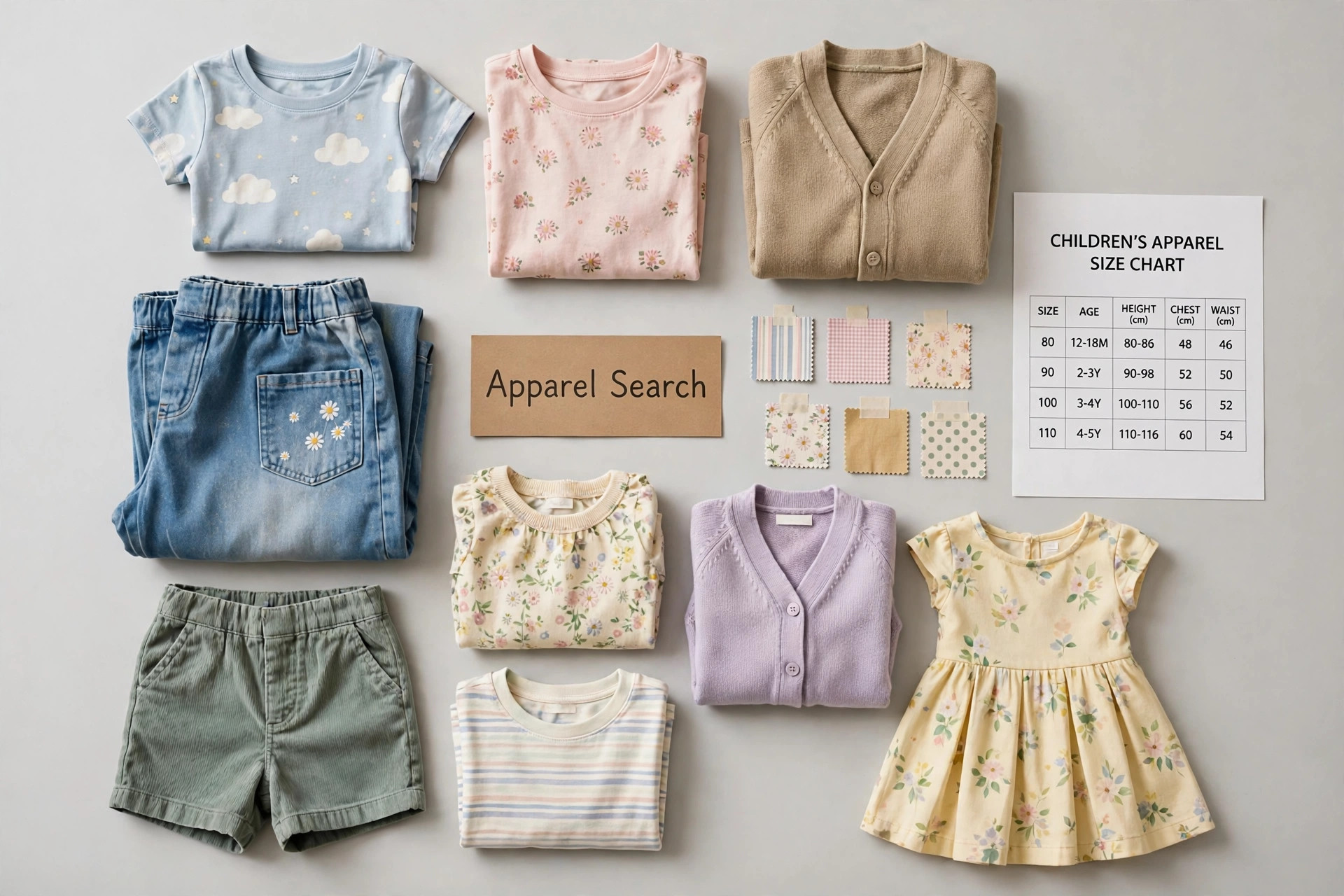
The designer's season begins with the range plan, broken into age bands — baby, toddler, younger and older children — because a garment that works at eighteen months fails completely at eight years. Within each band the designer develops the season's stories: colour palettes, print and graphic themes, and the balance of everyday essentials against fun and occasion pieces. Sketches become detailed specification sheets covering fabric, print placement, trims and construction, and samples are made up, reviewed and corrected until each style is ready for production at its target price.
Day to day, the work alternates between creative development and product problem-solving. The designer briefs print and graphic artwork, chooses fabrics for hand-feel and wash performance, attends sample reviews to check proportions on each age band's fit form, and works with garment technologists on construction details — closures a small child can manage, seams that will not irritate, waistbands that adjust as the child grows. Ranges are presented to buyers with the commercial logic visible: which prints carry the story, which basics anchor volume, and where the price points sit.
Designing for Play, Durability and Easy Care
Children's clothing is used harder than almost any other apparel. Knees, elbows and seats take abrasion; food, paint and grass test every fabric; and garments are washed far more often than adult clothing. The designer therefore specifies with wear in mind: reinforced knees and seat seams on trousers, durable jersey and denim weights, colourfast prints that survive hot washes, and fastenings — poppers, zips, elastic — tested for repeated use. Easy care is a design feature, not an afterthought: parents reward clothing that washes, dries and returns to shape without special treatment, and they abandon brands whose prints crack or whose colours fade.
Comfort and safety shape the details. Soft, breathable fabrics sit next to young skin; labels are printed or placed to avoid scratching; cords, drawstrings and small detachable trims are designed within the strict safety rules that govern children's clothing in each market, and nightwear fabrics must meet flammability requirements. The designer works to those standards from the first sketch rather than correcting samples later, and keeps up with the regulations of every country the range will be sold in. Getting this right is invisible when it works — the garment simply feels safe, comfortable and well made.
Sizing, Growth and the Age-Band System
Childrenswear is sized by age and height rather than by the fit logic of adult clothing, and the designer must think in growth. A toddler's proportions — larger head, shorter legs, a waist that barely exists — differ fundamentally from an older child's, so each age band has its own fit blocks, grade rules and sample forms. The designer checks that a style's proportions, print scale and pocket and trim placement are re-thought for each band rather than simply shrunk or enlarged: a chest print sized for an eight-year-old overwhelms a baby version of the same garment.
Growth also drives product features. Adjustable waistbands, extendable hems, generous but tidy fits and unisex styling on basics all extend how long a garment serves, which parents notice and value. The designer plans ranges so siblings' hand-me-down logic works in the brand's favour: durable, appealing product that survives one child is bought again for the next. Seasonal planning respects school calendars, holidays and weather in each selling region, so the right weight of garment lands in store at the moment families shop for it.
Skills, Qualifications and Career Path
The role needs a genuine feel for the product: playful use of colour, print and character, balanced against a practical, almost engineering attention to construction, fabric performance and safety standards. Drawing and CAD skills present ideas clearly; specification writing must be exact, because factories produce children's ranges in large volumes across many sizes. An understanding of how children dress at each age — gathered from market research, store visits and competitor ranges — keeps the designer's imagination aimed at real families rather than at miniature adult fashion, which is the most common beginner's mistake in this category.
Most childrenswear designers train in fashion design and specialise through assistant and junior designer posts in children's departments or specialist children's brands, where age-band fitting and safety rules are learned on live ranges. Progress runs to designer owning an age band or category, then senior designer across the children's offer, and on to design management in businesses where childrenswear is a major department. The specialism is valued precisely because it is distinct: a designer who understands growth, durability and the parent customer is not interchangeable with an adult-range designer.
Common Questions
How is childrenswear design different from adult fashion design?
The customer is double — the parent buys, the child wears — and the product must survive play, growth and constant washing. Ranges are built by age band with their own fit blocks, safety rules govern cords, trims and nightwear fabrics, and features such as adjustable waistbands extend each garment's useful life.
What safety rules affect childrenswear designers?
Children's clothing is regulated for drawstrings and cords, small detachable parts, and nightwear flammability, with rules varying by market. Designers apply those standards from the first sketch, work with garment technologists on construction, and check every market the range will be sold in.
How do you become a childrenswear designer?
Usually through fashion design training followed by assistant and junior designer roles in children's departments or specialist children's brands. A portfolio showing playful, age-appropriate product — prints, colour and practical construction at several age bands — is what employers look for.