Contemporary Designer Job Description
Designing the contemporary market — fashion-forward women's clothing between high street and designer labels
A contemporary designer creates clothing for the contemporary market: the fashion-forward women's segment that sits between the high street and luxury designer labels, where customers pay more for design distinction, better fabrics and sharper fit, but still expect clothing for real life. Contemporary brands live on a recognisable handwriting — a particular drape, palette and attitude — refreshed every season at a pace faster than classic designer fashion. The designer's job is to keep that handwriting current without losing it. This page explains the contemporary market, how its designers work, and how the role differs from both mass-market and couture design.
More Design Job Descriptions by Letter:
What a Contemporary Designer Does
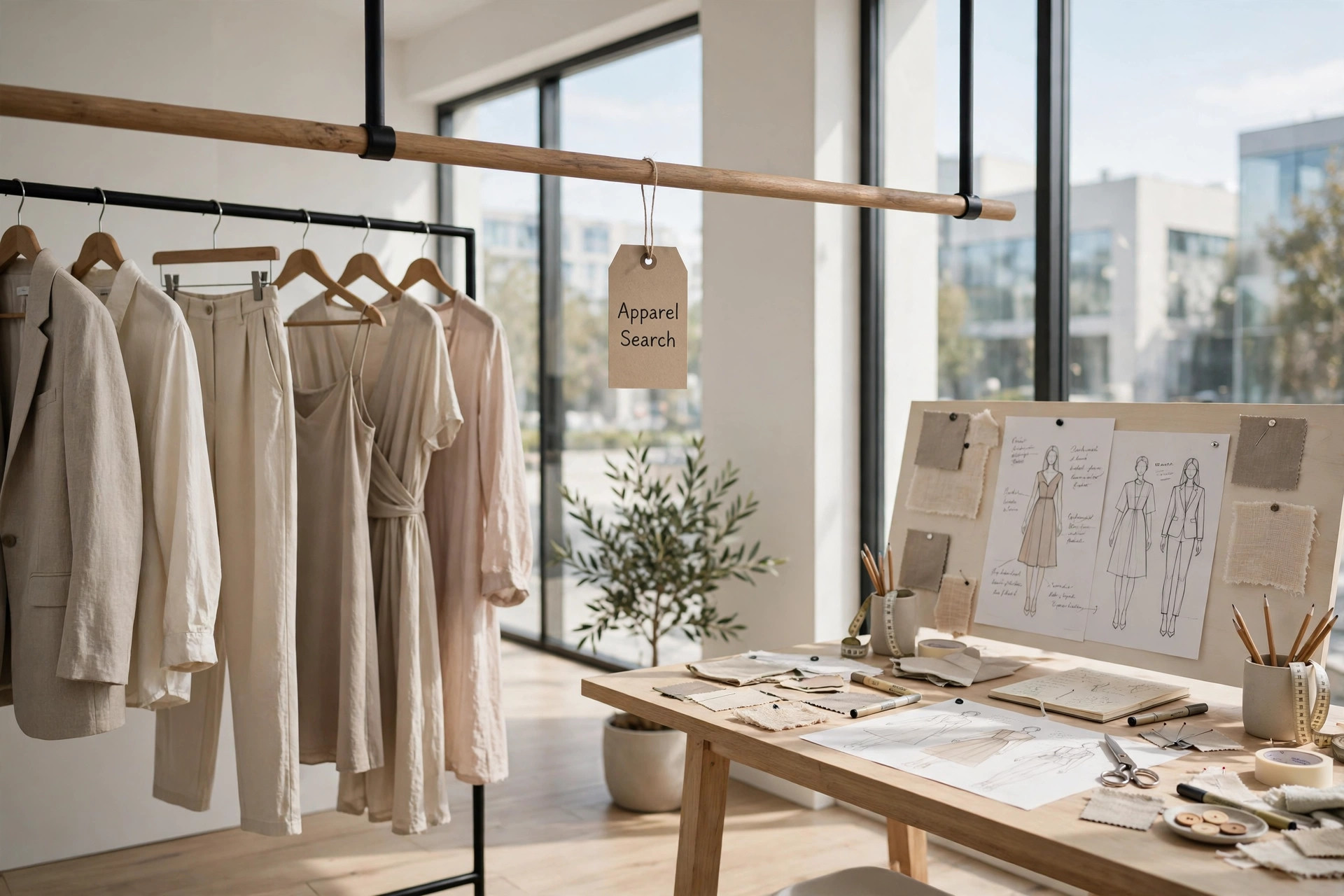
The contemporary designer develops seasonal collections for a defined customer: typically a style-confident woman building a wardrobe of distinctive dresses, fluid tailoring, elevated knitwear, denim and separates that move between work and evening. Research is constant and comparative — designer collections for direction, street style for reality, the brand's own sales data for truth — and it resolves into a tight seasonal story: a palette, a fabric selection and a set of silhouettes that read as one wardrobe. Sketching, draping and first-pattern work follow, with samples fitted and refined to the standard the price point promises.
Because contemporary customers buy frequently and notice repetition, the designer plans drops and deliveries within the season as well as the season itself, keeping newness flowing to stores and websites. Range reviews with merchandisers balance the creative story against commercial structure: the statement pieces that earn attention, the versatile core that earns volume, and prices that stay credible against designer labels above and high-street copies below. The designer also supports lookbooks, shows or presentations and e-commerce styling, since contemporary product is sold heavily on imagery.
The Contemporary Market Position
Market level defines the designer's constraints. Above contemporary sit designer and luxury labels, with runway-led design and prices to match; below it, high-street and mass brands translate trends quickly and cheaply. Contemporary occupies the demanding middle: original enough that customers seek the brand out, produced well enough to justify prices several times the high street's, yet commercial enough to sell in department stores, boutiques and online at volume. The designer must therefore be genuinely inventive within tight cost and calendar discipline — creativity that cannot be made at the target price is a sampling exercise, not a collection.
Fit and fabric carry the positioning. Contemporary customers compare a garment directly with designer pieces, so cloth quality, finishing and fit precision are scrutinised: natural-fibre and premium blends where the hand can feel them, clean internal finishing, and silhouettes fitted on the brand's actual customer rather than a sample-size ideal. The designer works closely with pattern cutters and garment technologists to hold that standard, and with fabric agents who can supply designer-level cloth at contemporary quantities and prices — a sourcing skill that defines success in this segment.
Skills and Abilities the Role Requires
A strong, identifiable design handwriting is the first requirement: contemporary brands are bought for their point of view, and the designer must be able to generate it season after season without repeating or diluting it. Draping and pattern awareness matter more here than in mass-market design, because silhouettes are more sculptural and samples are often developed on the stand. Fabric judgement — recognising the cloth that will elevate a simple shape — is the segment's everyday craft, alongside sketching and CAD fluency for range presentation.
Commercial instincts complete the profile. The contemporary designer watches sell-through by style, understands which risks the customer rewarded, and designs the next season's risks accordingly. Presentation skills matter at range sign-off and in the market-facing moments — buyer appointments, showroom weeks, press previews — where the collection's story is sold. The segment's pace, with multiple deliveries and constant newness, also demands stamina and organisation across overlapping seasons.
Qualifications, Training and Career Path
Contemporary designers usually train in fashion design, often womenswear-focused, and build experience in designer or premium brands where fit, fabric and finishing standards are learned at the required level. Assistant and junior roles in contemporary labels are the direct route; designers also arrive from designer labels moving toward a more commercial brief, or from high-street roles bringing speed and market discipline to a premium product. The portfolio must show a coherent handwriting and finished garments at a quality the segment recognises.
Progression runs to senior designer and head of design within contemporary brands, and onward to creative direction, where the whole brand image is owned. The segment is also a common launching ground for independent labels: designers who have learned to combine a point of view with production and price discipline sometimes found their own contemporary brands, applying exactly that combination. In a market defined by the space between mass and luxury, the designer's judgement of that space is the career asset.
Common Questions
What is the contemporary market in fashion?
The segment between the high street and designer labels, mainly in women's clothing: fashion-forward design, better fabrics and fit than mass-market brands, at prices well below luxury. Customers buy contemporary brands for a recognisable design handwriting refreshed every season.
How does a contemporary designer differ from a high-street designer?
Both work commercially and to deadlines, but the contemporary designer originates more of the design, works with premium fabrics and closer fit and finishing standards, and must sustain a brand handwriting customers seek out — while the high-street designer typically adapts trends to sharper prices and faster volumes.
How do you become a contemporary designer?
Through fashion design training and experience in designer, premium or contemporary brands, progressing from assistant and junior roles. A portfolio showing a coherent personal handwriting and well-finished garments at premium quality is the essential credential.