Ladies Fashion Designer Job Description
Designing women's clothing for the ladies market — wearable, flattering ranges for the moderate and department-store customer
A ladies fashion designer designs women's clothing for the market the trade has long called 'ladies' — the moderate, department-store and catalogue heartland of women's fashion, distinct from both the juniors desk's youth pace and the designer end's runway prices. The customer is an adult woman buying wearable clothing for work, family life and occasions, and she judges a garment by fit, comfort, quality and value as much as by novelty. Designing for her is a discipline of flattery and reliability: styles must look current, fit a wide range of real bodies, wash and wear well, and arrive at prices she trusts. This page explains how ladies ranges are designed and built.
More Design Job Descriptions by Letter:
What a Ladies Fashion Designer Does
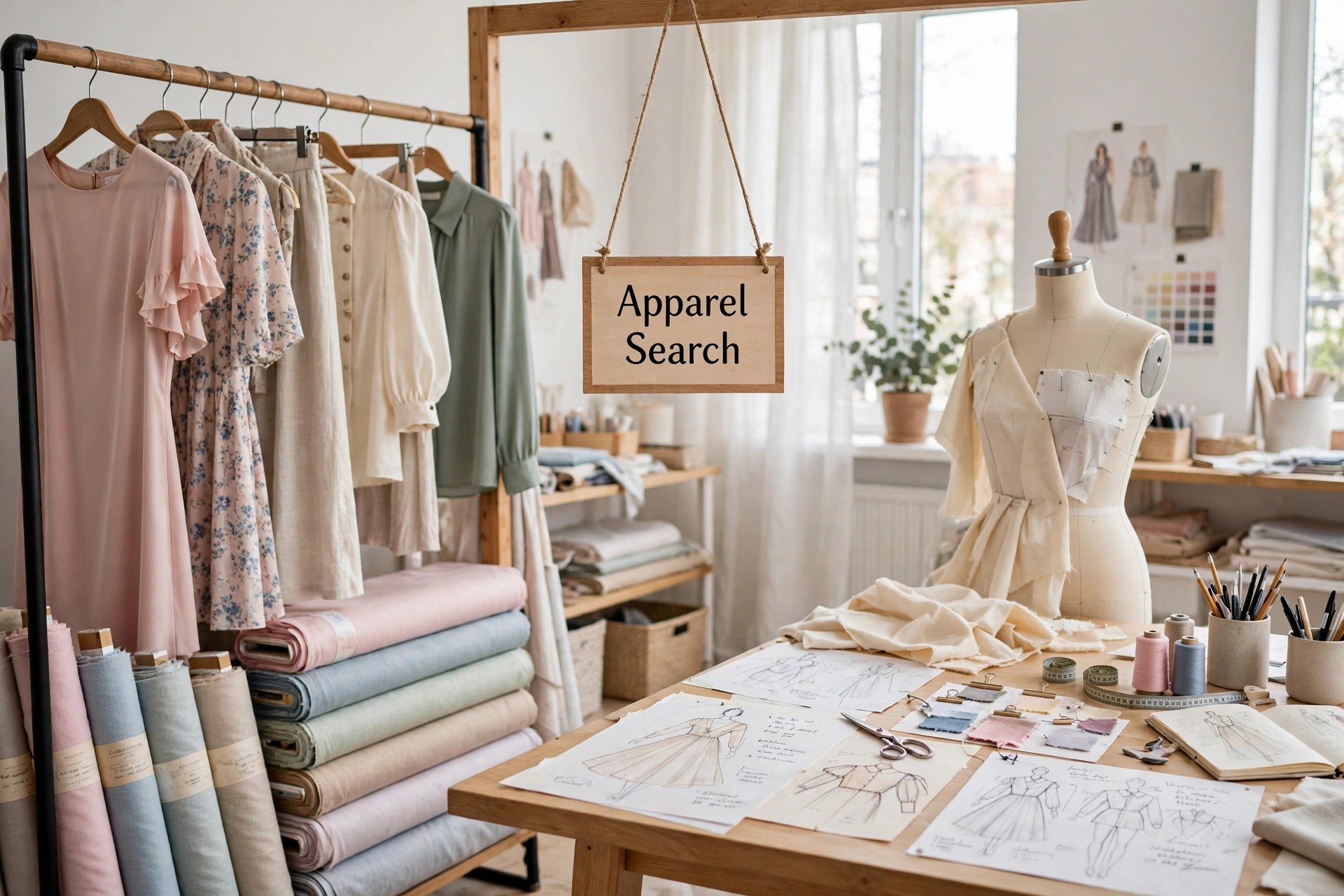
The designer builds complete seasonal ranges for the ladies customer: dresses, separates, knitwear, blouses, trousers, skirts, outerwear and occasion pieces, planned as coordinated stories that a department store or catalogue can present together. Research starts with the customer's life rather than the runway alone — what she wears to work, to family events, on holiday — filtered through the season's colours and trends at a translation distance she accepts: the new silhouette offered in a forgiving cut, the new colour balanced with the neutrals her wardrobe runs on. Sketches, fabrics and trims are selected, samples made and fitted, and the range is costed piece by piece against the moderate price architecture.
Repeat business is the market's engine, and the designer plans for it deliberately. Proven styles — the dress shape, the trouser block, the knit that sold in every colour — are carried forward, refreshed in new fabrics and colours, and protected from careless redesign, while new styles are introduced beside them in measured proportion. The designer reads sales with the merchandiser weekly, learns which promises the customer rewards — a sleeve that covers the arm, a waist that sits comfortably, pockets that work — and designs those promises into the next range rather than treating them as accidents.
Fit Across Real Bodies and Size Ranges
Fit is the ladies designer's defining craft. The range must fit women across a broad span of sizes and shapes, in the missy and often the petite and plus ranges alongside, and small pattern decisions — where a dart sits, how much ease a sleeve carries, whether a waistband has elastic at the back — decide whether a garment flatters or fights the wearer. The designer fits samples on fit models representative of the customer, not on sample-size stand-ins alone, checks the style across the size range at grading, and treats returns-for-fit data as design information of the first order.
Fabric choice carries the same responsibility. Ladies ranges live on fabrics that drape kindly, recover from sitting, resist creasing, and survive the wash cycle the customer will actually use — considerations a designer sketches around rather than discovers at complaint stage. Handles are judged against skin comfort, prints are scaled to flatter rather than shout, and linings, fastenings and finishes are specified for garments expected to be worn for years. It is unshowy expertise, and it is precisely what keeps a ladies label's customers loyal for decades.
Skills and Abilities the Role Requires
Empathy with the customer is the headline skill — a genuine, informed feel for how adult women dress, what they avoid and why — supported by pattern and fit literacy well beyond sketching. The ladies designer who can discuss a toile with the pattern cutter in technical terms, and adjust a design at the fitting rather than after it, develops ranges faster and fits them better. Fabric knowledge weighted to wearable, washable, comfortable cloth, and colour judgement that balances fashion newness against wardrobe reality, complete the product skills.
Commercial skills run alongside: designing to moderate price points without the garments looking cheap, building coordinated ranges that stores can merchandise and customers can combine, and using sales and returns evidence without surrendering design initiative to it. Communication with buyers, merchandisers and factories is constant, and the designer's presentations sell a range on wearability and margin as much as on looks. It is a desk for designers who find satisfaction in clothes that are genuinely lived in.
Qualifications, Training and Career Path
Ladies fashion designers generally hold fashion design qualifications and arrive through assistant and associate designer posts in women's moderate, department-store or catalogue businesses, where fit practice and range building for the adult customer are learned on live product. Portfolios suited to these roles show wearable ranges — coordinated, priced, fitted on realistic figures — rather than only avant-garde or youth work; evidence of designing dresses and separates, the category's core, carries particular weight.
Progression runs to senior designer and design management of a ladies label or a retailer's own-brand women's division, with movement into contemporary and bridge markets a natural step for designers who want a higher price point on the same customer knowledge. The skills also underpin freelance design for department-store private labels. In a trade that often celebrates novelty, the ladies designer holds the unfashionable-sounding but commercially central ground: clothing most women actually wear, designed properly.
Common Questions
What does 'ladies' mean as a fashion market?
It is the trade's long-standing name for the moderate women's market — adult women's clothing sold through department stores, catalogues and moderate brands, designed for wearability, fit across real bodies, quality and value rather than runway novelty.
How does a ladies fashion designer differ from a general fashion designer?
By customer and discipline: the ladies designer designs specifically for the adult moderate-market woman, with fit across size ranges, wearable fabrics and repeat-proven styles at the centre of the craft, instead of designing across markets or for a designer-price customer.
What categories does a ladies designer design?
The full women's wardrobe at moderate prices: dresses, separates, blouses, trousers, skirts, knitwear, outerwear and occasion pieces, planned as coordinated ranges and carried across missy and often petite and plus size ranges.