AVP Store Systems Development Job Description
The retail technology leadership desk — building and rolling out the point-of-sale and store systems a clothing chain runs on
An AVP of Store Systems Development — assistant vice president in the corporate titles of larger retailers — leads the development of the technology that clothing stores trade on: point-of-sale tills, payment systems, in-store inventory and stock lookup tools, fitting-room and clienteling devices, and the connections between them and the retailer's central systems. The role sits in a fashion retailer's corporate IT or retail systems organisation, at senior level, managing project teams, vendors and budgets. It is a technology job, but a distinctly retail one: its users are store staff and its test of success is a Saturday queue that keeps moving. This page explains that desk.
More Miscellaneous Job Descriptions by Letter:
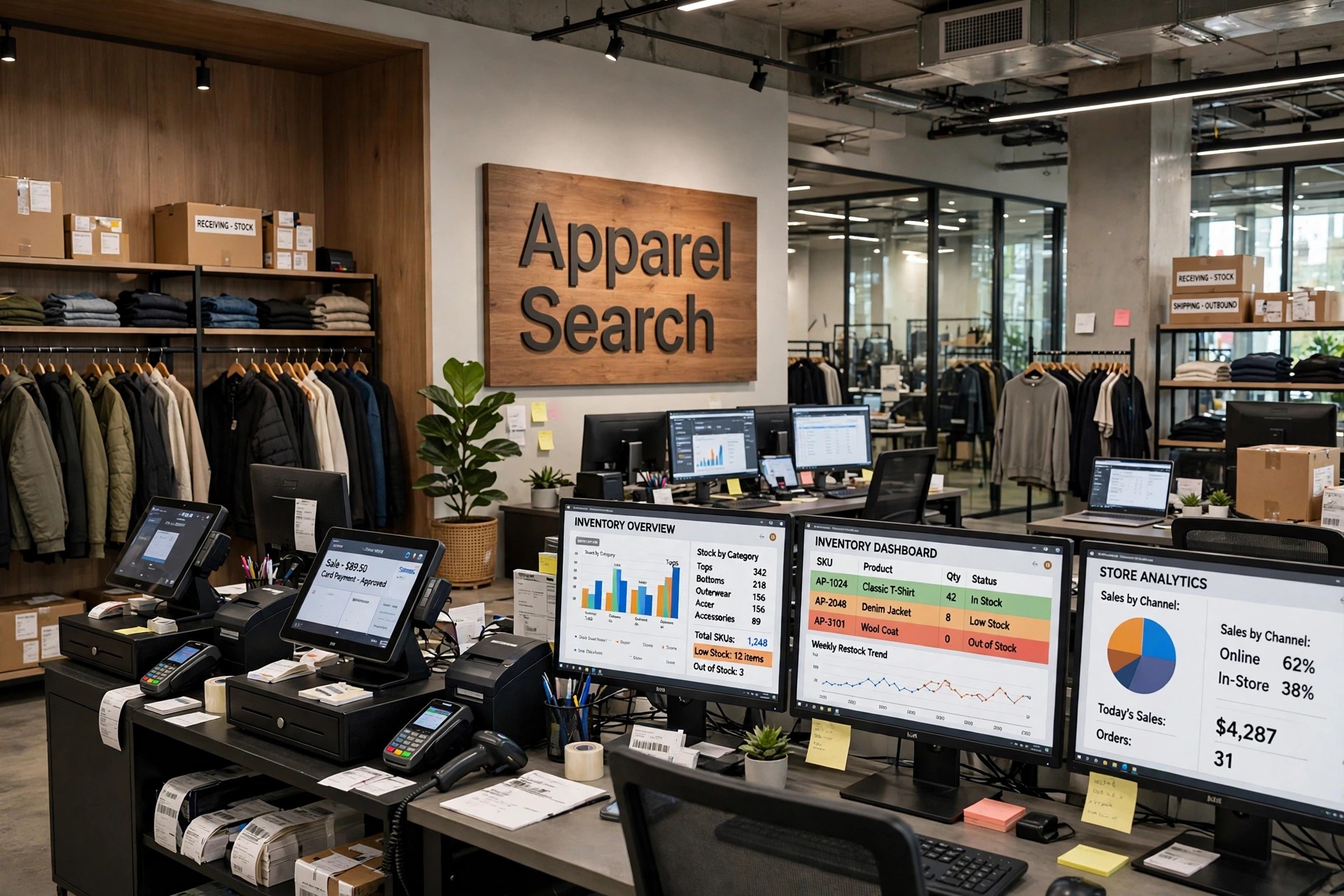
What an AVP of Store Systems Development Does
The role owns a portfolio of store systems projects from proposal to rollout. Working with retail operations, merchandising and finance stakeholders, the AVP defines what stores need — a new point-of-sale release, mobile tills for queue-busting, integrated returns across channels, better stock visibility on the shop floor — then leads the development path: requirements, vendor selection or internal build, configuration, integration with inventory, pricing and customer systems, and rigorous testing before anything reaches a live store. Fashion retail's systems carry the trade's particular demands, from size-and-colour stock logic to seasonal promotions, gift cards and endless-aisle ordering.
Rollout is where the role earns its title. A system that works in a pilot store must be deployed across an estate of shops without breaking trading: the AVP plans phased rollouts, training programmes for store teams, hardware installation schedules that avoid peak season, and the support model that answers when a till fails on a Saturday morning. After launch, the desk manages upgrades, defect fixes and the steady improvement backlog, reporting system performance and project progress to the vice president or chief information officer it reports to.
Working Between Technology and the Shop Floor
The defining tension of the job is that its customers are not technologists. Store managers and sales associates need systems that are fast, forgiving and simple under pressure, and they judge every project by whether the Christmas peak got easier or harder. The AVP therefore spends real time in stores — watching tills in use, sitting with managers during stocktake, testing new functions with the staff who will live with them — and translates between two languages: the operational language of retail and the technical language of developers and vendors. Projects fail in the gap between those languages; this role exists to close it.
The work environment is a corporate head office with a project rhythm: programme boards, vendor meetings, development stand-ups and steering groups, punctuated by store visits, pilot launches and go-live periods that can mean nights, weekends and travel across the estate. Retail's calendar rules the schedule — system freezes during peak trading are sacred, and major rollouts are timed into the quiet windows between seasons. It is senior, accountable work: when store systems fail, trading stops, and the AVP's planning is what stands between the business and that headline.
Skills and Abilities the Role Requires
Technical command comes first: point-of-sale platforms, retail integration, payment systems and in-store hardware, understood deeply enough to challenge vendors and architects and to judge build-versus-buy decisions honestly. Project and programme management is the second pillar — multi-store, multi-vendor delivery with budgets, dependencies and immovable trading deadlines — supported by testing discipline, because an untested promotion rule or tax calculation multiplies its damage across every till in the chain on its first morning.
Leadership and translation skills complete the profile. The AVP manages development teams and analysts, negotiates with technology vendors whose incentives differ from the retailer's, presents business cases in margin-and-service language to commercial executives, and stays calm and decisive in the incident room when something live goes wrong. Retail literacy is the differentiator from a general IT career: understanding seasonality, store labour models, shrinkage, promotions and the choreography of a shop floor is what turns a competent systems manager into the person retail operations trusts with its tills.
Qualifications, Training and Career Path
AVP-level store systems leaders typically combine a degree in information systems, computer science, business or a related field with a long record in retail technology: business analyst, systems analyst, project manager and retail systems manager roles, usually including at least one major point-of-sale or store systems implementation lived through from selection to rollout. Vendor-side experience with retail systems suppliers is also a recognised route in. Employers at this level hire evidence — estates served, projects delivered, peaks survived — far more than certificates, though project management qualifications support the record.
Progression runs to vice president of retail systems or store technology, and from there toward chief information officer roles in retail businesses, where store systems knowledge is prized because stores are where the money is taken. Side paths lead into retail technology consultancy and senior vendor roles serving fashion retailers. The specialism is durable: however channels change, physical clothing stores will run on systems somebody must choose, build and land well, and the executives who can do that while speaking fluent shop-floor are permanently scarce.
Common Questions
What does AVP mean in AVP Store Systems Development?
Assistant Vice President — a senior corporate title used by larger retailers. The AVP leads store systems development teams and projects and typically reports to a vice president of retail systems or the chief information officer.
Which systems does this role cover?
The in-store estate: point-of-sale tills and payments, in-store inventory and stock lookup, mobile and clienteling devices, returns and gift card functions, and their integration with the retailer's central merchandising, pricing and customer systems.
How do you reach an AVP store systems role?
Through retail technology: analyst and project roles in a retailer's systems team or with a retail systems vendor, at least one major store systems implementation delivered, and promotion through retail systems management on the strength of that record.