Maternity Apparel Sales Job Description
Selling maternity clothing — fit by trimester, a nine-month customer and specialist retail
Maternity apparel sales means representing clothing designed for pregnancy to the retailers who specialise in it: maternity stores and chains, maternity departments and concessions inside larger stores, hospital and clinic gift shops in some markets, and the online specialists who now carry much of the category. It is selling built around a temporary body. The customer wears the product for a matter of months, her shape changes measurably between purchases, and fit is judged against comfort and adaptability rather than the usual fashion measures. The salesperson who succeeds here sells expertise in that changing fit — to buyers first, and through them to a customer who may be buying her first maternity garment with no idea what she needs.
More Sales & Selling Job Descriptions by Letter:
Fit by Trimester: The Product Knowledge
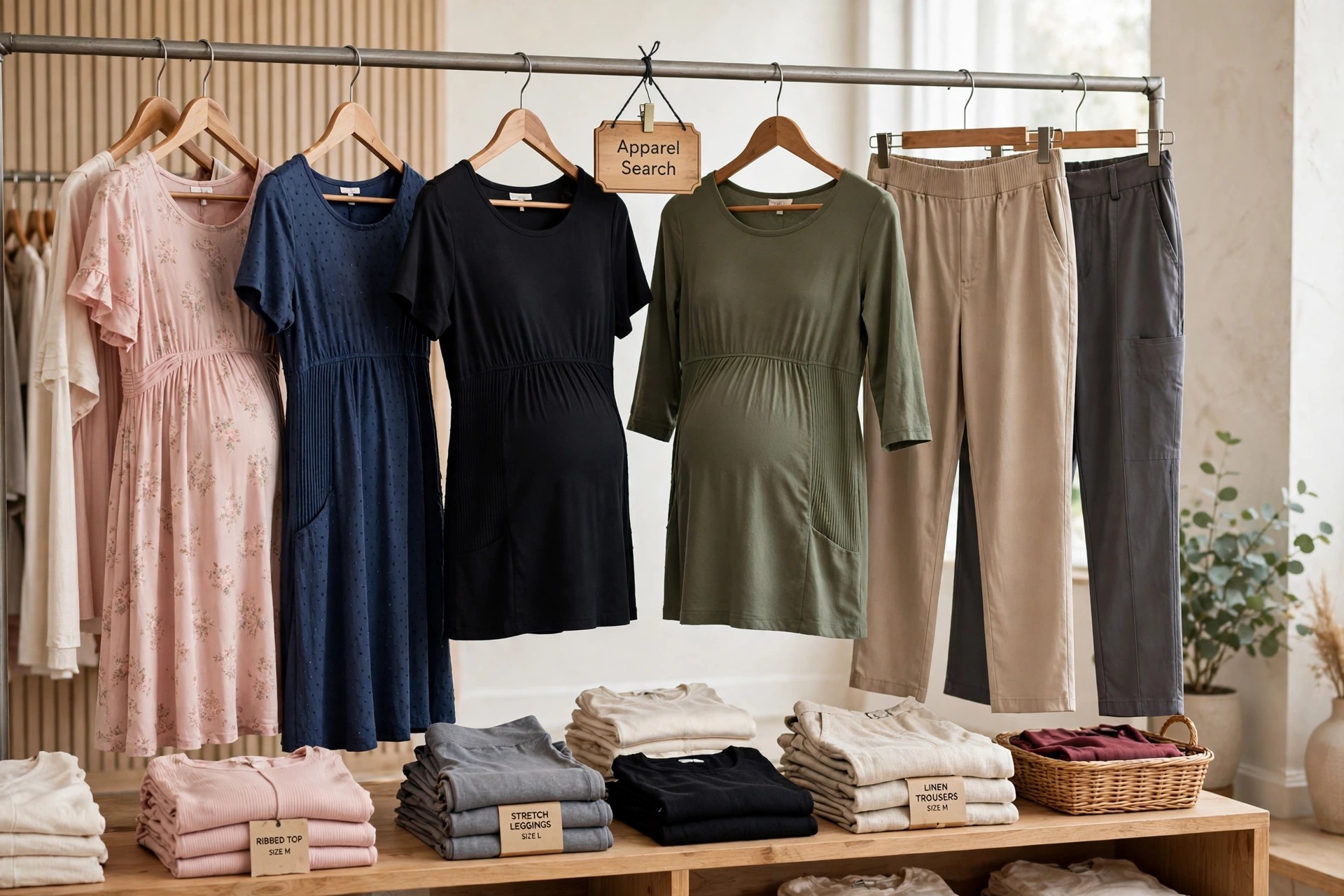
Maternity design is engineering for change. Garments are cut to be worn across trimesters: empire waists that sit above a growing bump, ruching and stretch panels that expand with it, wrap and nursing-friendly constructions that extend a garment's useful life past the birth, and trousers and skirts with panel, band and adjustable-waist systems in several competing designs. The salesperson must command those systems comparatively — which panel design a store's customers prefer, how a brand's sizing maps to pre-pregnancy sizes, which fabrics recover their shape well enough to be worn for two pregnancies — because maternity buyers quiz representatives on fit mechanics more closely than almost any other apparel buyer.
Assortment advice is trimester advice. A good maternity department stocks by stage: the early-pregnancy pieces that disguise and adapt ordinary wardrobes, the mid-pregnancy core where most volume sits, the late-pregnancy comfort pieces, and the nursing and post-partum range that gives the department its ending — and its chance of a final, grateful sale. The salesperson helps buyers balance depth across those stages, plans the size curves around the category's convention of buying in pre-pregnancy size, and keeps the basics — maternity leggings, camisoles, work trousers, the black dress of the category — in the replenishment position the short customer lifecycle demands.
A Customer Measured in Months
Every other apparel category hopes for a customer for life; maternity gets her for roughly a year, and only a few times in that life. That arithmetic shapes the selling. Stores depend on a constant flow of new customers finding them at the right month, so location, referral relationships and service reputation matter commercially in ways the salesperson supports: staff training that makes a store's fitting advice trustworthy, educational material about fit by stage, and honest guidance about what a customer does and does not yet need. Representatives who push a first-trimester customer into a full wardrobe teach her to distrust the store — and the brand — by her seventh month.
Gift and occasion business threads through the category: baby-shower gifts bought by others, occasion dresses for weddings and events that do not pause for pregnancy, and work wardrobes for customers whose professional lives continue unchanged. The salesperson presents those ranges with their own selling stories, and helps accounts time them — occasion depth ahead of the wedding season, giftable price points stocked before the shower-heavy spring and autumn months. The category's emotional register is unlike any other in apparel, and the representative's tone with buyers and store staff sets the brand's tone inside the fitting room.
Channels: Specialists, Concessions and Online
Maternity retail has consolidated around specialists and screens. Dedicated maternity stores survive on expertise and fitting service; department store maternity departments have thinned as the category moved online, where fit-by-trimester guidance, generous returns and stage-based shopping tools do the work a fitter once did. The salesperson serves all three channels differently: range depth and staff education for the specialists, concession economics and space productivity for the department stores, and data — return rates by style, fit feedback, size-curve performance — for the online accounts, where a garment's true fit is judged by how rarely it comes back.
Workwear and career maternity is a distinct selling thread within the channel work: professional customers need suiting, dresses and separates that read as ordinary office clothing with maternity engineering inside them, and the accounts serving them — city-centre specialists, online career ranges — buy on that promise of invisibility. The salesperson who can present a maternity line's career range as a wardrobe system, trimester by trimester, opens the category's highest-margin business.
Skills, Qualifications and Career Path
Employers look for apparel selling experience and category fluency above all: the fit systems, the trimester logic, the sizing conventions and the channel landscape of specialists, concessions and online. Empathy is a genuine occupational requirement, tested in interviews more directly than in other sales roles, because the representative trains store staff whose customers arrive anxious about fit and change. Product training skill is prized for the same reason — much of the role's selling happens one step removed, through the advice a store's staff give in the fitting room.
Progression leads to key-account responsibility for the maternity chains and online specialists, to sales management within maternity and women's divisions — the womenswear manager's page in this section covers the wider category this specialism sits inside — or into maternity product and merchandising roles, where fit-by-trimester knowledge directs what gets designed. It is a small, expert trade: the buyers, representatives and specialists know each other, and a reputation for honest fit advice is its most durable asset.
Common Questions
What does a maternity apparel salesperson sell?
Maternity clothing lines to maternity specialists, department store concessions and online maternity retailers — garments engineered with empire waists, stretch panels, ruching and adjustable waists to fit across the trimesters, plus nursing and post-partum ranges.
Why is fit knowledge so central to maternity selling?
The customer's shape changes measurably month by month, and garments are bought by pre-pregnancy size in systems designed to adapt. Buyers test representatives on the competing panel and waistband designs, fabric recovery and trimester-by-trimester assortment balance more closely than in most categories.
How does the short customer lifecycle change maternity sales?
A customer uses the category for about a year at a time, so stores live on constant new-customer flow, trustworthy fitting advice and stage-based guidance. Overselling early pregnancy teaches distrust by the third trimester, so honest selling is a commercial strategy, not just a courtesy.