Sportswear Sales Job Description
Selling sportswear and casual active-inspired clothing to retailers — seasons, fabrics and channels
Sportswear sales, in the apparel trade sense used here, means selling casual, active-inspired clothing — polo shirts, sweatshirts, fleece, track styles, shorts and relaxed separates for men, women and children — to the retailers who stock it. It sits between fashion and function: the garments borrow their language from sport, but most are bought for everyday wear, which gives the category its own selling logic of comfort, fabric performance claims kept honest, and strong seasonal moments from back-to-school to the winter fleece peak.
More Sales & Selling Job Descriptions by Letter:
The Product World of Apparel Sportswear
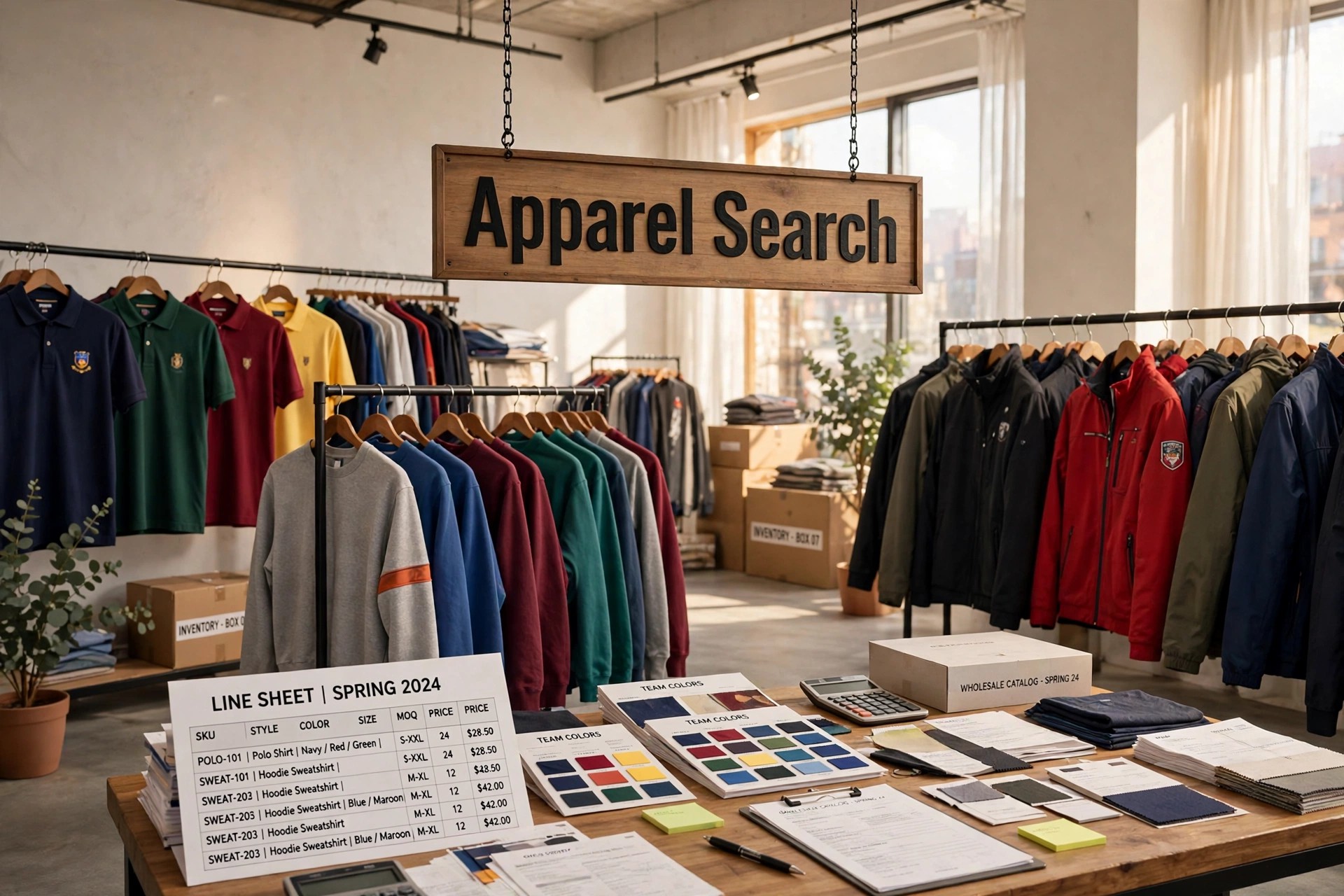
A sportswear range is built from wardrobe workhorses: knit tops and polos, hooded and crew sweatshirts, fleece jackets, shorts, relaxed trousers and co-ordinated sets, in men's, women's and children's versions that often share fabrics and colours. The salesperson presents the range as outfits and programmes rather than single items, because retailers merchandise sportswear in stories — a colour group across tops and bottoms that a shopper can combine. Fabric knowledge drives the conversation: cotton and blended fleece weights, moisture-management finishes where genuinely applied, stretch content, and how each fabric washes and wears.
Accuracy about performance is a professional duty in this category. Some apparel sportswear is truly technical, most is lifestyle clothing with a sporting look, and buyers respect a salesperson who states plainly which is which, with test or specification evidence where claims are made. The difference between sportswear and activewear — a question Apparel Search answers in its questions section, linked below — is one a sportswear seller should be able to explain in a sentence at an appointment.
Seasons, Events and Selling Moments
Sportswear has fashion seasons plus sporting ones. Spring ranges lean to polos, shorts and lighter knits; autumn brings fleece, layering and heavier sweatshirts; and the calendar of school terms, holidays and major sporting events creates demand spikes a prepared seller plans stock around. Retailers buy team-adjacent colours and event capsules cautiously and basics greedily, so the salesperson's assortment advice separates the dependable programme business from the short-life event pieces and prices the risk honestly.
Weather is the category's wild card. A cold snap sells fleece that a mild month strands, and the salesperson who monitors sell-through and offers rapid reorders on the right fabrics becomes part of the retailer's weather insurance. Conversely, carrying a buyer through a warm autumn — moving stock between stores, suggesting promotions early — builds the trust that decides whose spring range gets seen first.
Channels and Accounts
Sportswear sells through almost every apparel channel: department stores with dedicated sportswear departments, clothing chains, value retailers moving fleece and basics in volume, sports retailers taking the more technical end, and online sellers for whom fabric and fit information does the presenting. Children's sportswear is a substantial sub-market of its own, tied to school and activity calendars, and many ranges are sold as family stories across men's, women's and children's departments of the same store group.
Each channel buys the category differently, and the salesperson adjusts: programme basics on replenishment terms for the chains, seasonal fashion capsules for department stores, price-led packs for value accounts. Factories behind the ranges matter too — knowing how a sportswear factory handles fleece weights, printing and embroidery decoration, and team or club orders helps the seller promise only what production can decorate and deliver on time.
Skills, Qualifications and Career Path
Employers look for apparel wholesale experience, knit and fleece fabric literacy, and an instinct for programme selling — volume basics managed over seasons rather than one-off fashion orders. Numeracy covers rate-of-sale on basics, size ratios across men's, women's and children's ranges, and margin on decorated versus undecorated product. An interest in sport helps credibility but the trade skill is clothing knowledge, not athletic achievement.
Progression leads to the larger chain and department store accounts, to sales management for sportswear brands, or sideways into the neighbouring specialisms in this directory. Experience here also transfers well to childrenswear and casualwear selling generally, because the fabrics, the programme logic and the retail channels overlap so heavily.
Decoration, Team Orders and Local Clubs
A branch of sportswear selling that newcomers underestimate is decoration: printed and embroidered logos, names and numbers applied to garments for local sports clubs, schools, events and company teams. These orders are smaller than chain programmes but numerous, deadline-bound to fixture dates that cannot move, and unforgiving of error — a misspelled name on thirty shirts is a remade order at the seller's cost. The salesperson coordinates artwork approvals, decoration capacity and garment stock as one promise, checks proofs personally, and builds a local reputation among club secretaries and school buyers that quietly compounds: one club's kit order leads to its supporters' leisurewear, its sponsors' staff clothing and next season's renewal, making this patient corner of the trade a dependable base under the seasonal fashion business. It also teaches order accuracy better than any other branch of apparel selling, because decorated garments can rarely be returned to stock.
Common Questions
What does sportswear mean in apparel sales?
Casual, active-inspired clothing — polos, sweatshirts, fleece, track styles, shorts and relaxed separates for men, women and children. Most apparel sportswear is everyday lifestyle clothing with a sporting look, distinct from technical activewear made for training and competition.
What product knowledge does a sportswear salesperson need?
Knit and fleece fabrics and their weights, stretch and finish claims and their evidence, printing and embroidery decoration, size ratios across men's, women's and children's ranges, and how seasonal and sporting calendars move demand.
Which retailers buy sportswear wholesale?
Department stores, clothing chains, value retailers, sports shops at the technical end, children's retailers and online sellers — often buying co-ordinated men's, women's and children's stories from the same range.