Women's Handbag Sales Job Description
Selling handbags and small leather goods — shapes, materials, hardware and the price ladder of an accessories department
Women's handbag sales is the accessories selling specialism: presenting and selling handbags, purses and small leather goods to the buyers of department stores, accessories shops, boutiques and chains. Handbags occupy a peculiar and profitable place in fashion — they carry no sizes in the apparel sense, they outlast the season's clothing trends, and a single strong style can anchor a department's turnover. Selling them well is a matter of shapes, materials and price architecture: knowing which silhouettes a store's customer carries, what construction quality looks like at each price, and how a range is laddered from the everyday tote to the statement piece.
More Sales & Selling Job Descriptions by Letter:
Shapes, Stories and the Shape of a Range
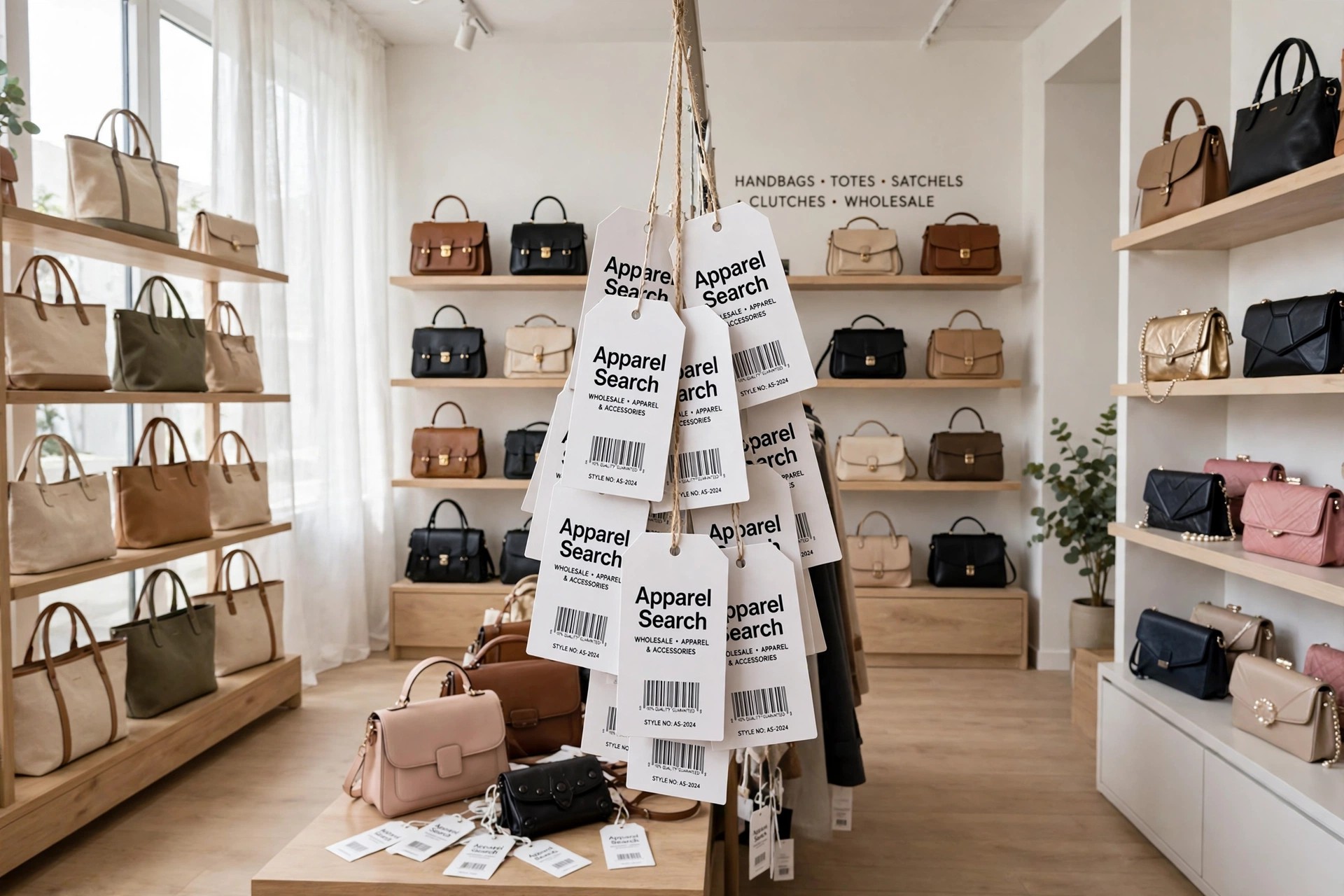
The handbag vocabulary is a set of shapes, and the salesperson speaks it fluently: totes and shoppers built for capacity, satchels and structured top-handle bags, shoulder bags and hobos, crossbody bags that sell on hands-free practicality, clutches and evening bags, backpacks, and the small leather goods — purses, wallets, card cases and pouches — that attach to almost every transaction. A range is presented as a balanced offer across those shapes, because a department that stocks only one silhouette serves only one customer occasion, and buyers build their assortment shape by shape before they choose colours within each.
Seasonal stories sit on top of the shape plan. Materials and colours follow the apparel calendar — straw, raffia and canvas for summer, suede and deeper leathers for autumn, metallics and occasion finishes for the holiday season — while a core of black, tan and neutral leather styles runs continuously underneath. The salesperson's presentation keeps the two layers distinct: what is fashion for this season, what is continuity the store can reorder, and which styles bridge both. Gift seasons matter disproportionately in this category, and boxed small leather goods and presentable packaging are selling points a good salesperson raises before the buyer has to ask.
Materials, Hardware and Construction Quality
Handbags are judged in the hand. The salesperson needs a working knowledge of the materials ladder — full-grain and corrected leathers, suede and nubuck, coated canvas, nylon and microfibre, straw and woven fabrics, and the synthetic leathers that serve the opening price points — and of what each means for wear, weight and care. A bag is carried daily and loaded; the questions buyers ask are practical ones about how a material scuffs, cleans, holds its shape and ages, and the salesperson who has handled returns knows the honest answers rather than the catalogue's.
Hardware and construction are where quality is verified. Zips must run smoothly and close positively; clasps, rings and feet should be metal with real weight at better price points; strap attachments and handle stitching carry the load and fail first; linings, interior pockets and finishes separate a well-made bag from a dressed-up one. Presenting a range includes demonstrating exactly those points — opening, loading, carrying the bag — because the buyer is mentally repeating the demonstration for their own customers. Price integrity follows from it: the salesperson defends each tier of the range by the construction that justifies it.
Accounts, Price Architecture and Sell-Through
Handbag accounts span department stores with branded accessories departments, independent boutiques, leather-goods specialists, travel and luggage retailers, and online accessories sellers, and each buys a different slice of the price ladder. The salesperson maps the range to the account: opening-price fashion bags where volume lives, a credible mid-range of leather staples, and the higher pieces that give a department its image — placed carefully, because a store whose customers buy at the opening tier will not move statement stock, and overselling the ladder is how ranges get marked down and reputations get lost.
In season, the work is sell-through and attachment. Handbags respond to display — a style carried by staff, placed at the department's entrance or shown with the clothing it completes sells at a different rate from the same bag on a back shelf — so the salesperson supplies display guidance, imagery and staff product knowledge, and reads which shapes and colours are moving to guide reorders. Small leather goods deserve their own attention in these conversations: attach rates on purses and card cases are some of the easiest margin in accessories, and the salesperson who builds them into every order builds the account's average transaction as well as their own.
Skills, Qualifications and Career Path
Employers and agencies look for accessories or apparel selling experience plus the category's product literacy: shapes and their uses, materials and care, hardware and construction assessment, and price-ladder thinking. Boutique and department-store accessories departments are the common training ground — staff there learn what customers actually carry, return and ask for — and leather-goods knowledge, including repair and aftercare basics, strengthens any application. Presentation skill counts heavily: handbags are demonstrated, not described, and the salesperson's own handling of the product in an appointment models how it should be sold in store.
Progression runs to larger accessories accounts and department-store groups, accessories sales management, or into the neighbouring specialisms this directory lists — branded and licensed apparel selling, where handbags are often a brand's most profitable category, or across to buying and merchandising for accessories departments. Because the category carries no apparel sizing and crosses every age and price segment of the women's market, experienced handbag salespeople often hold unusually broad account relationships, and that breadth is what their careers compound.
Common Questions
What does a women's handbag salesperson sell?
Handbags, purses and small leather goods — totes, satchels, shoulder and crossbody bags, clutches, backpacks, wallets and card cases — sold wholesale to department stores, boutiques, accessories and leather-goods retailers, across a ladder of prices and materials.
Why is construction knowledge so important in handbag sales?
Because a handbag is handled and loaded every day, and its quality shows in hardware, stitching, strap attachments and lining rather than in a label. Buyers test zips, clasps and handles in the appointment, and the salesperson defends each price tier by the construction that justifies it.
How do handbags differ from apparel as a sales category?
There are no garment sizes to plan — instead the range is balanced by shape, material and price. Core leather styles reorder continuously under seasonal colour and material stories, and small leather goods attach to bag sales, which makes attach rate a selling metric apparel does not have.