Women's Sleepwear Sales Job Description
Selling sleepwear and nightwear as a product range — fabrics, garment types, gifting seasons and continuity basics
Women's sleepwear sales is the selling specialism for nightwear: pyjamas, nightdresses, robes, loungewear sets and related garments, sold to department stores, lingerie and nightwear departments and clothing chains. It is a fabric-led, comfort-specified category — the product is bought on softness, warmth or coolness, wash performance and fit ease rather than on fashion statements — with a dependable basics business underneath strong gifting peaks. This page describes the role in product terms: garment types, fabrics, size ranges and the seasonal rhythm a sleepwear salesperson plans around.
More Sales & Selling Job Descriptions by Letter:
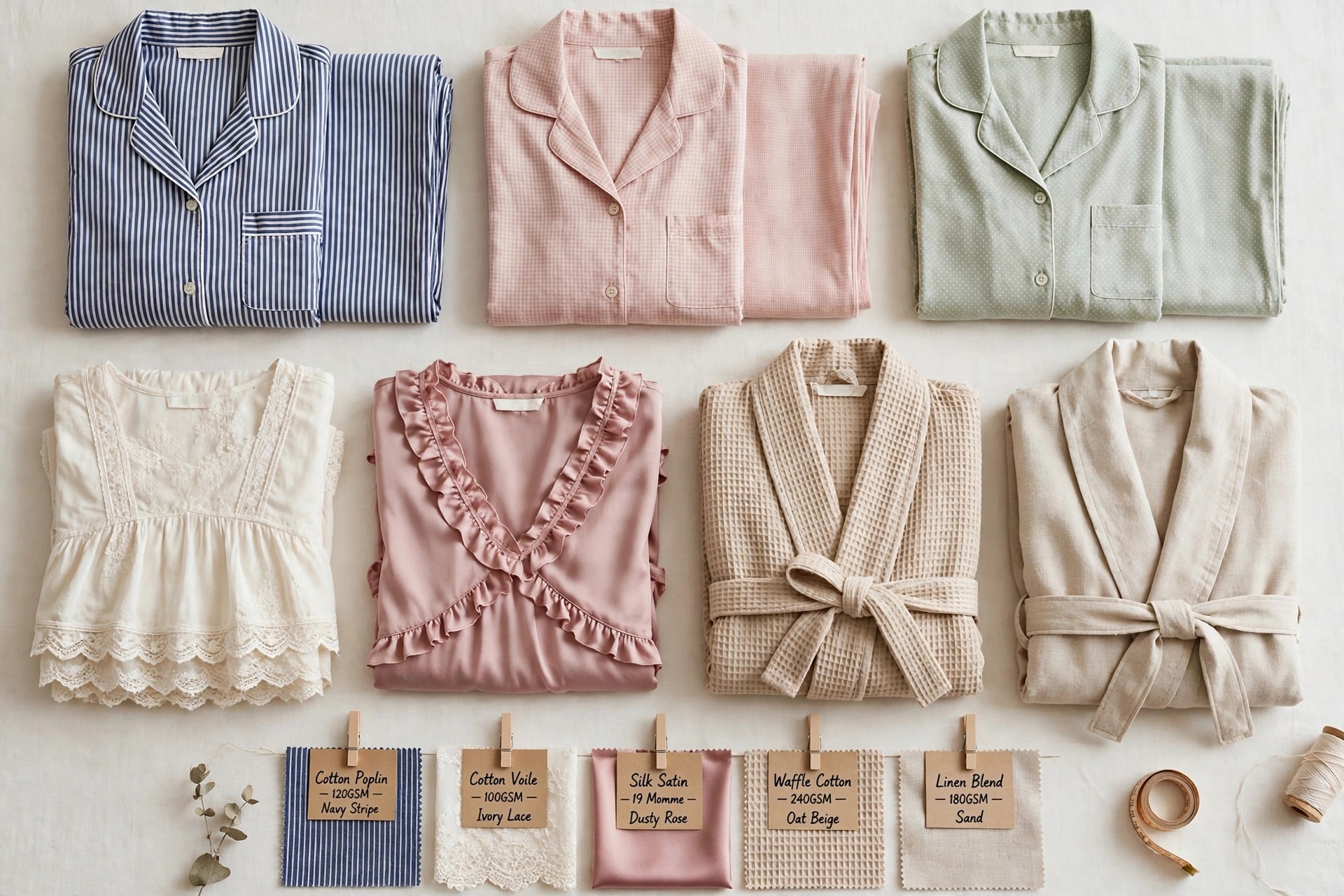
Garment Types and Range Structure
The range divides into clear garment families. Pyjama sets — tops with trousers or shorts — are the volume core, sold in woven and jersey constructions. Nightdresses span short and long lengths in cotton, jersey, satin and brushed fabrics. Robes and dressing gowns form their own sub-range, from lightweight summer weights to fleece and quilted winter styles, and are frequently sold as coordinated companions to nightdresses and pyjamas. Loungewear sets bridge nightwear and daywear in stores that merchandise them together. The salesperson presents the families as a structured offer with deliberate price steps, because a department that stocks only one family serves only part of its customers' buying habits.
Underneath the seasonal ranges sits the basics business: proven pyjama and nightdress styles in core colours that reorder across the year. The salesperson keeps those distinguishable in every presentation — what is continuity, what is seasonal, what is a gifting line with a fixed selling window — and builds orders accordingly. Coordinated packaging and gift presentation are part of the product in this category rather than an afterthought: boxed sets and presentable folding are specified at order stage for the gifting lines, and buyers expect the selling side to raise them before the season does.
Fabrics, Comfort Specification and Care
Sleepwear is specified by how a fabric feels, breathes and washes. Cotton and cotton jersey are the breathable everyday standard; brushed cotton and flannel carry the winter warmth business; modal and viscose jerseys sell on softness and drape; satin and silk occupy the premium and gifting end; fleece and plush fabrics serve the coldest-weight robes and sets. The salesperson quotes fabric composition, weight and finish accurately, because comfort claims are tested on the first night and wash claims within the month — shrinkage, pilling and colour fastness are the return reasons this category lives by, and a range's wash performance is a selling specification, not fine print.
Construction and sizing follow comfort logic. Sleepwear is cut for ease: elasticated and drawstring waists, raglan and dropped sleeves, flat or soft seams, and lengths offered in regular and longer options. Size ranges typically run a straightforward ladder, with plus-size and tall extensions in the stronger ranges, and the salesperson builds orders across that ladder from the account's own customer profile. Product standards the buyer will raise — flammability regulations that apply to sleepwear in many markets, labelling and fibre-content rules — are answered with the garment's actual certification and specification, stated plainly.
Gifting Peaks and the Seasonal Calendar
Sleepwear has two trading engines. The first is self-purchase basics, steady across the year and replenished like other continuity categories. The second is gifting, which concentrates demand sharply: the holiday season above all, plus Mother's Day and Valentine's periods, when pyjama sets, robes and boxed nightwear sell in multiples as presents. The salesperson plans those peaks with buyers months ahead — gift packaging, price-pointed sets at the classic present prices, delivery dates fixed against a calendar that cannot move — because a gifting line that arrives after its occasion has no second chance until the following year.
Seasonality also runs through fabric weight. Stores sell summer-weight cotton and short sets through the warm months and switch depth to brushed, fleece and long styles for autumn and winter, and the salesperson sequences ranges and deliveries to that switch, watching sell-through as the weather turns. In season, the work is replenishment of the basics and quick reading of the seasonal lines: which robe weight is moving, which print story is the gift of the year, and where a reorder inside the peak is still possible. Clearance discipline at season's end protects the basics' price ground from the gifting lines' markdowns.
Skills, Qualifications and Career Path
Employers look for product-led selling experience and the category's specific knowledge: fabric compositions and their comfort and care properties, garment-family range building, gifting-season planning and the product standards that apply to nightwear. Lingerie, hosiery and underwear departments are the common background — the buyers, fixtures and replenishment habits overlap, and sleepwear is routinely sold alongside intimates by the same teams — while packaged basics experience from any clothing category transfers well. Presentation in this category demonstrates hand-feel and finish, so sample handling and fabric explanation are skills employers probe directly.
Career paths run to larger nightwear and intimates accounts, combined lingerie and sleepwear portfolios, and sales management across those ranges; the fabric and gifting knowledge also transfers into buying roles for nightwear departments. Sleepwear sits in this directory between the lingerie and hosiery pages for a structural reason: the same stores, buyers and seasons govern all three, and experienced salespeople in any one of them can usually speak the product language of the others — a breadth buyers value when a single appointment must cover the whole intimates floor.
Common Questions
What does a women's sleepwear salesperson sell?
Nightwear as a product range — pyjama sets, nightdresses, robes and loungewear — specified by fabric, warmth weight and size range, sold to department stores and nightwear and lingerie departments, with a continuity basics business underneath strong gifting peaks.
Why do fabrics matter so much in sleepwear sales?
Because the product is bought on comfort performance: breathability, warmth, softness and how it washes. The salesperson quotes composition, weight and finish as specifications, since shrinkage, pilling and colour loss are the category's main return reasons and its trust is built on wash performance.
How does gifting shape the sleepwear selling calendar?
A large share of sleepwear is bought as presents, concentrated at the holiday season and other gift occasions. Gift-packaged sets at classic present price points are planned and delivered against fixed dates months ahead, alongside the year-round self-purchase basics business.