Apparel Search Consumer Guides
Handbag Types & Styles Guide
The named handbag types, defined and placed on one map: structured against soft, day against evening, carry against capacity — with the wallet and belt types that complete the accessories picture.
Handbags are sold by color and season, but they are built by type — and the type decides almost everything that matters in use: how the bag is carried, what it holds, how formal it reads and how long it lasts. A shopper who can name the types can walk past a wall of bags and read it like a shelf of tools. This guide is that vocabulary. It maps the named handbag types — including the specialty shapes that rarely get explained, from the top-handle, frame and doctor bags of the structured family to the drawstring and crescent bags of the soft one — and it extends the same treatment to the two accessories that live closest to a handbag: wallet types and belt types.
Start with the first fork, because it predicts the rest. Structured bags are built over stiffened panels or a literal frame: they stand up empty, hold a silhouette, and protect their contents. Soft bags are built from pliable material that drapes and slouches, trading architecture for lightness and ease. Day versus evening cuts across both families — an envelope clutch is structured and small, a hobo is soft and large — and carry cuts across them too: hand, elbow, shoulder, crossbody, or both hands free. Name a bag on those three axes and you have placed it on the map. The guides in this section take one territory at a time; this page is the map itself, and the broader handbag collections on the site — the handbags in Fashion Influence and the parent accessories category — show the types in their directory form.
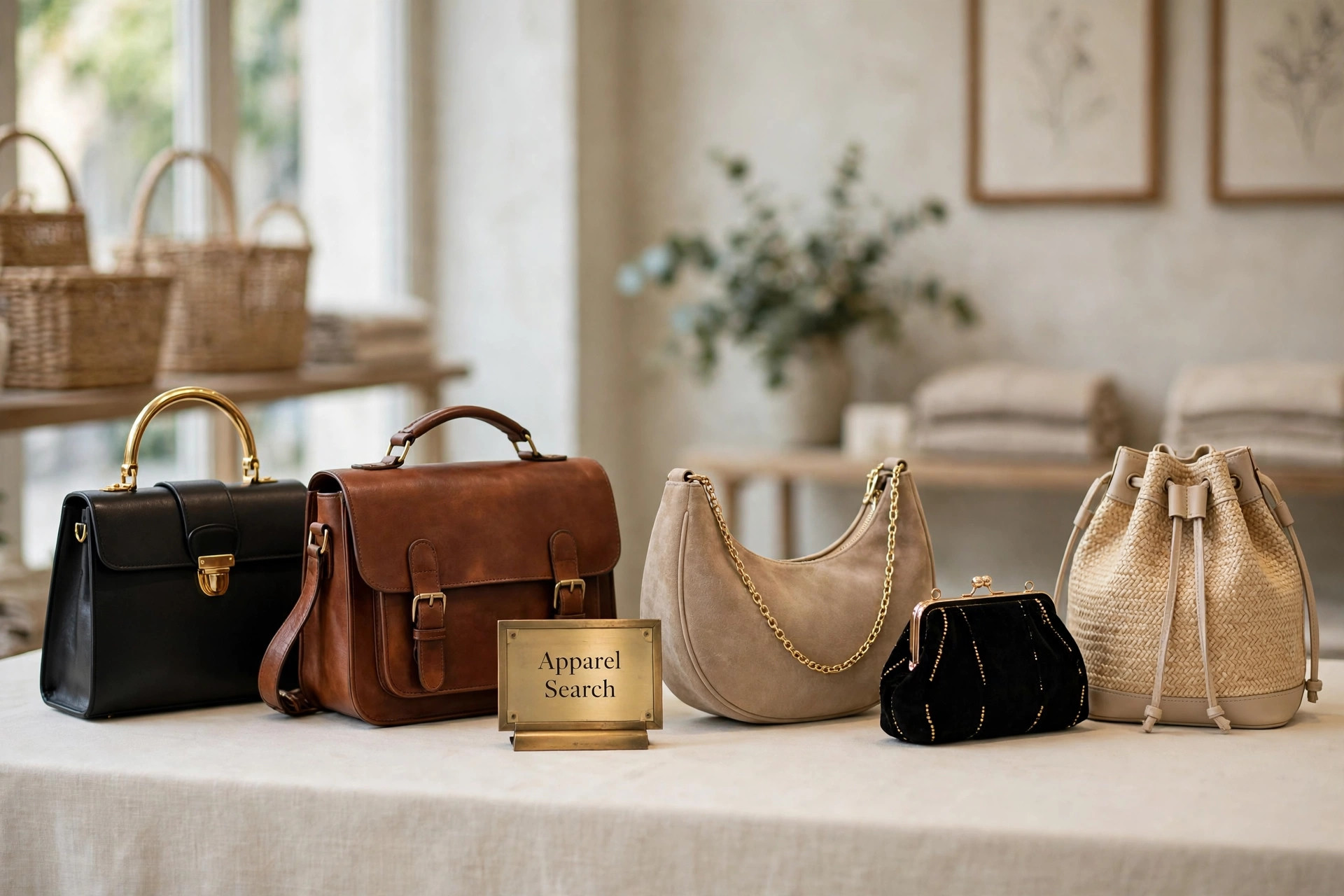
Search Apparel Search
The Guides in This Section
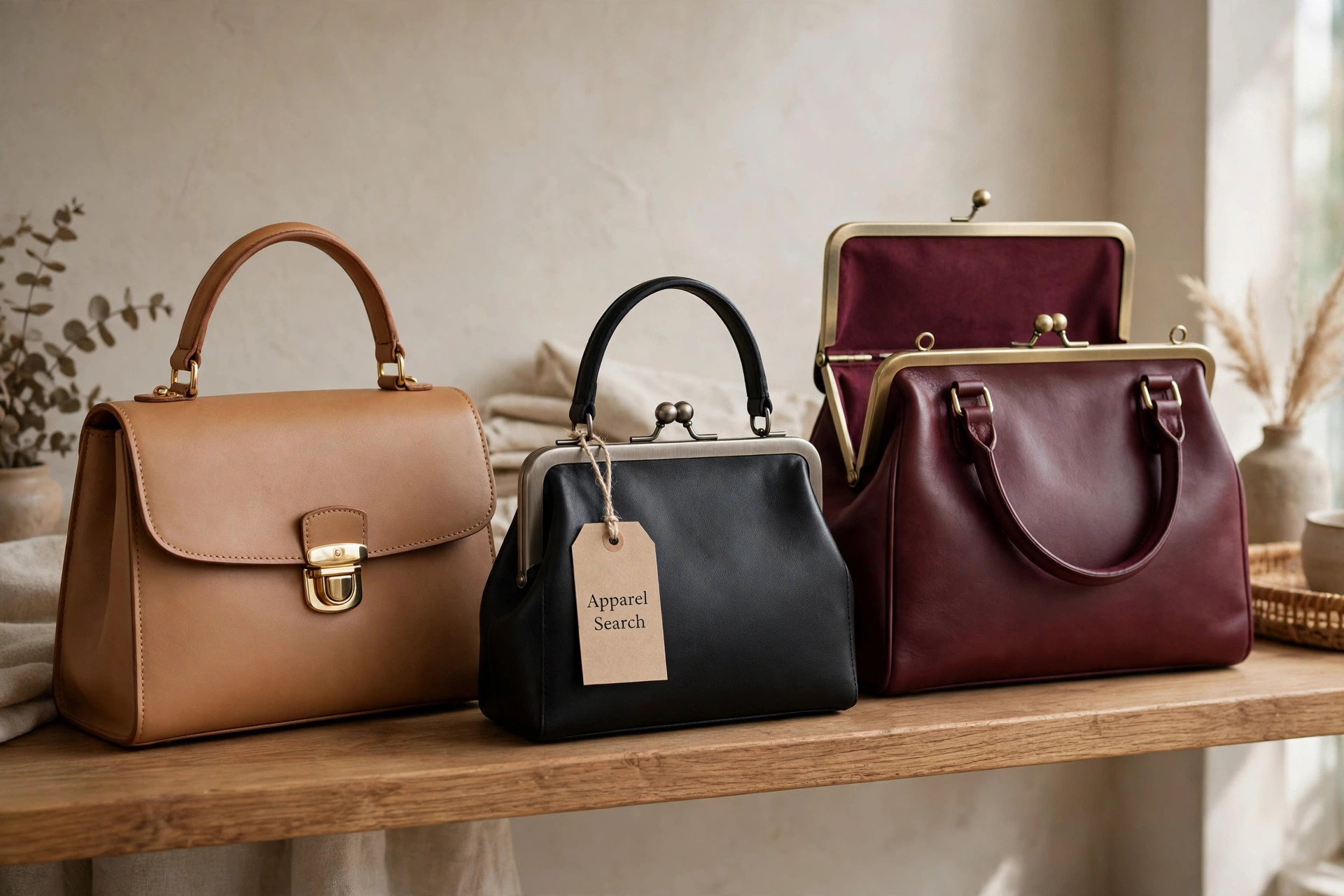 Structured Handbag StylesTop-handle, frame and doctor bags: the built silhouettes — how each is constructed, how it closes, and when each one works.
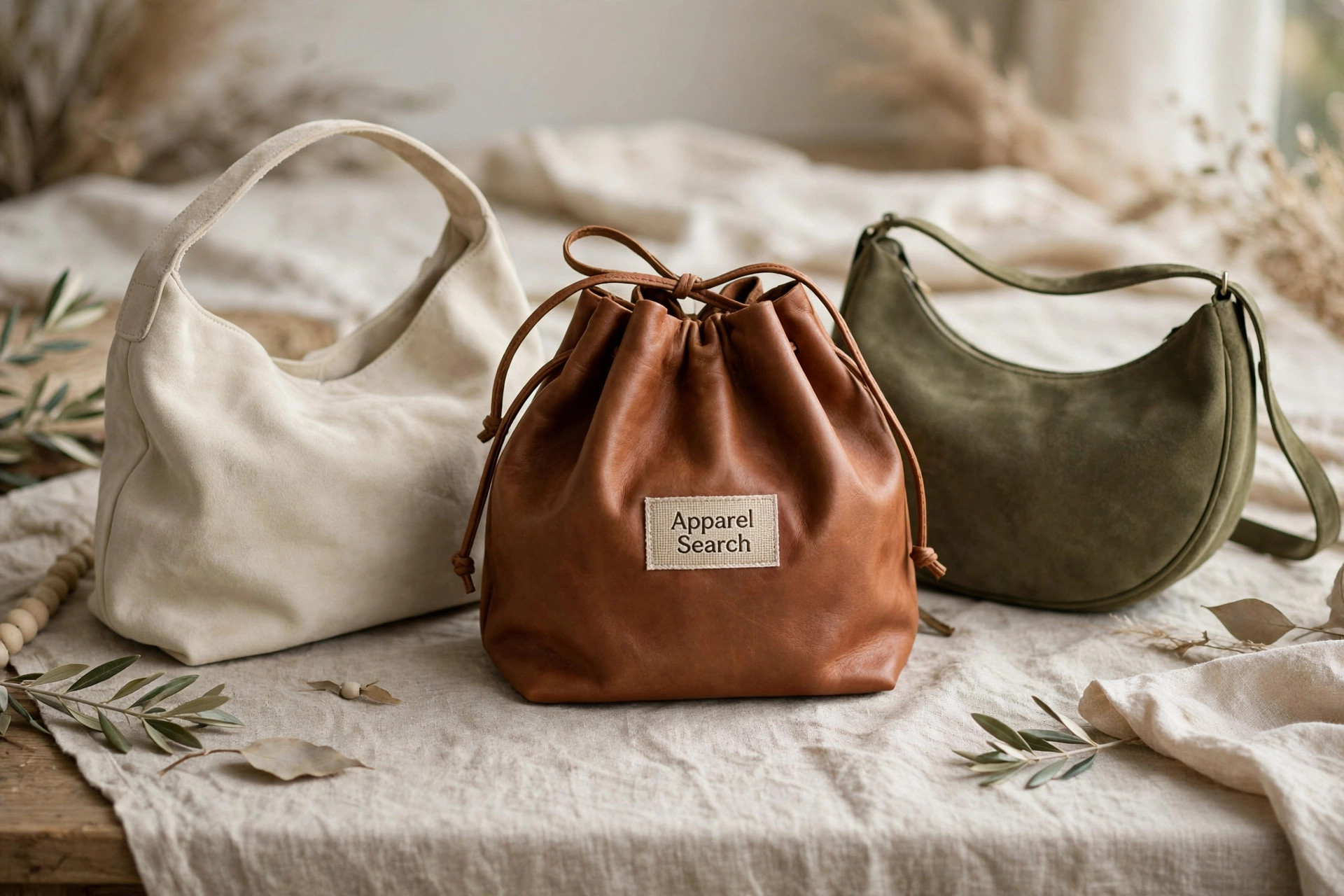 Soft Handbag StylesDrawstring bucket bags, crescent and half-moon shapes, and the hobo: drape, carry and honest capacity.
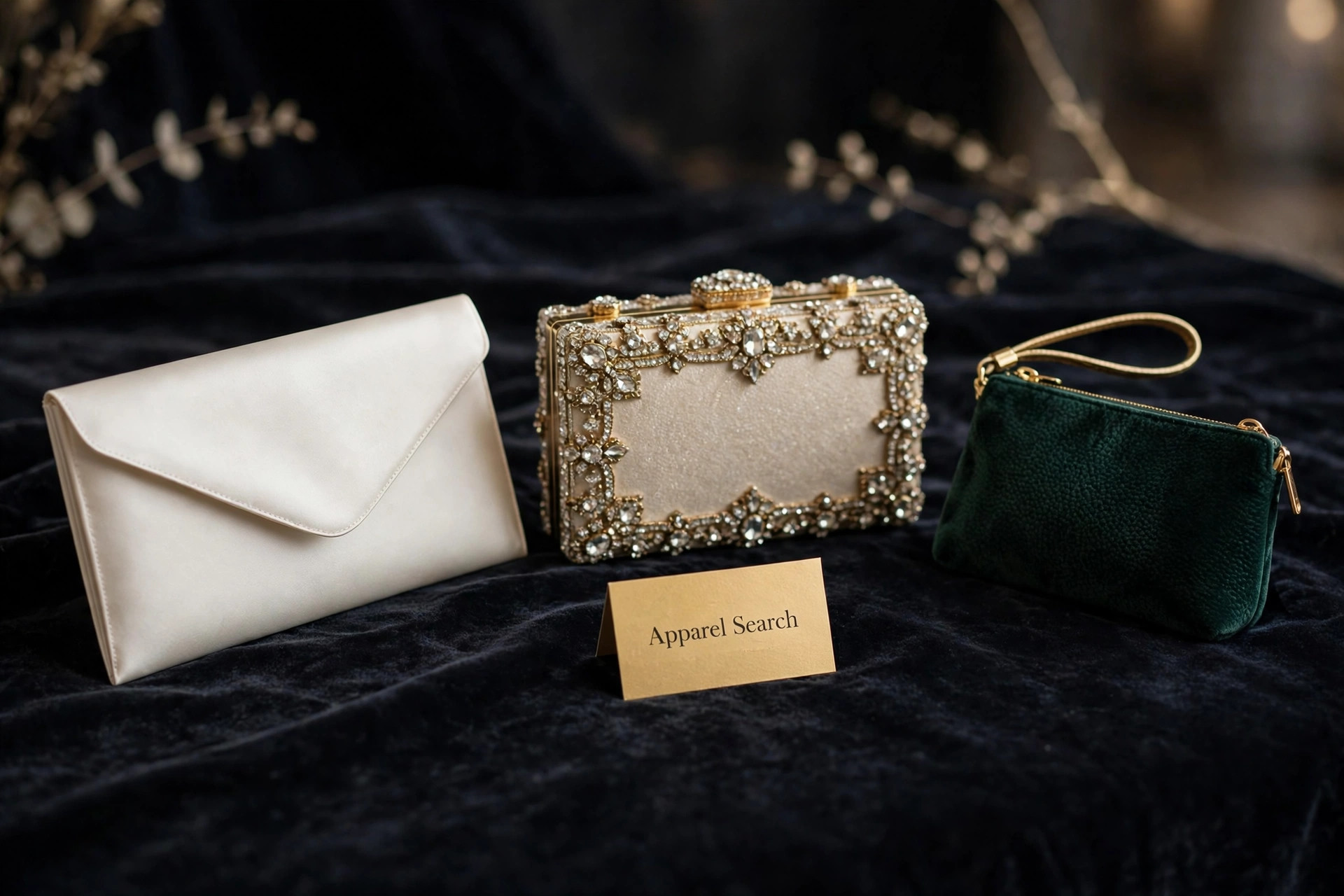 Clutch & Evening Bag StylesEnvelope clutches, minaudières and wristlets: what actually fits, how each is carried, and matching the bag to the occasion.
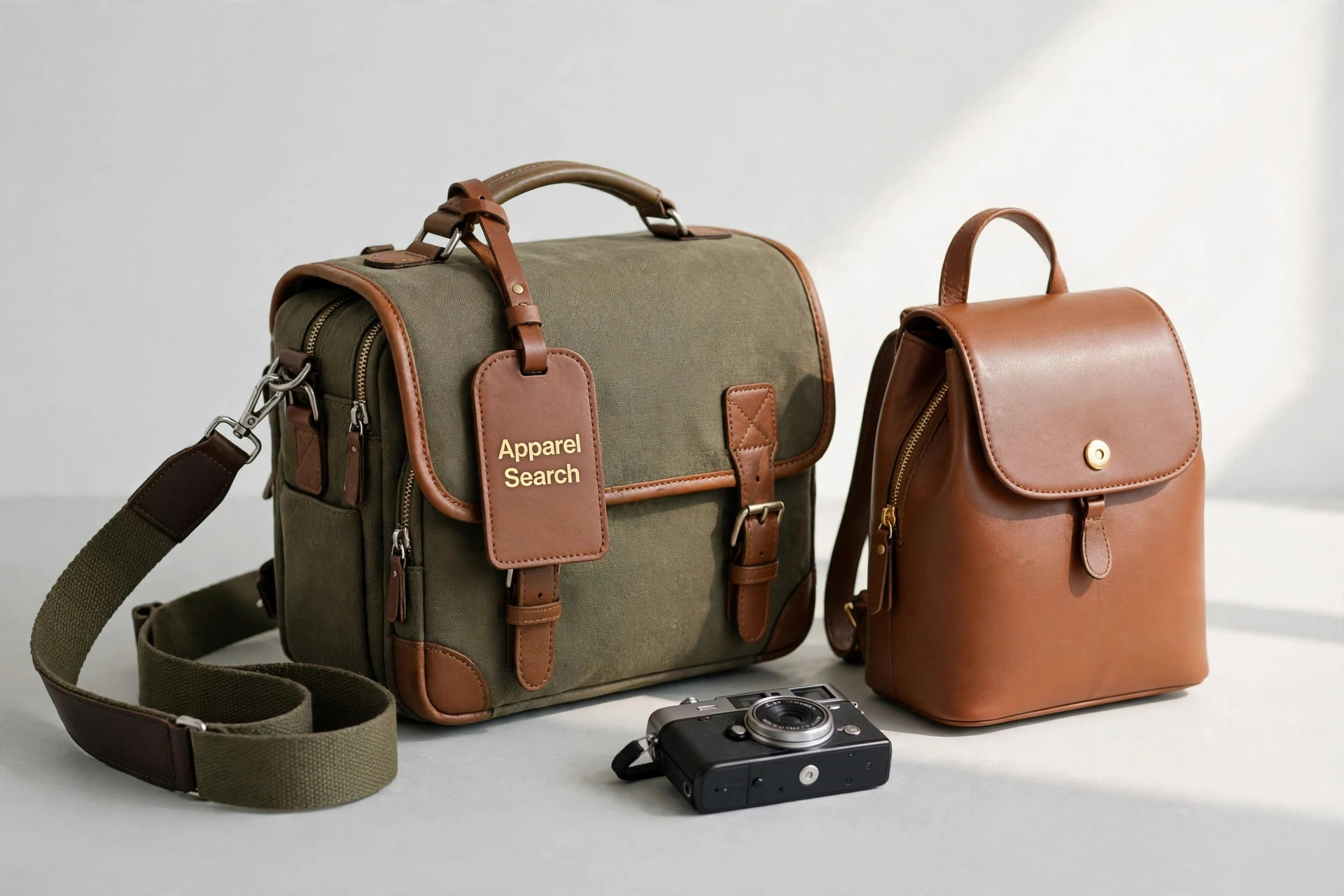 Camera Bags & Backpack PursesThe two organized carriers: padded compartments and crossbody ease, or two straps and a full day's capacity.
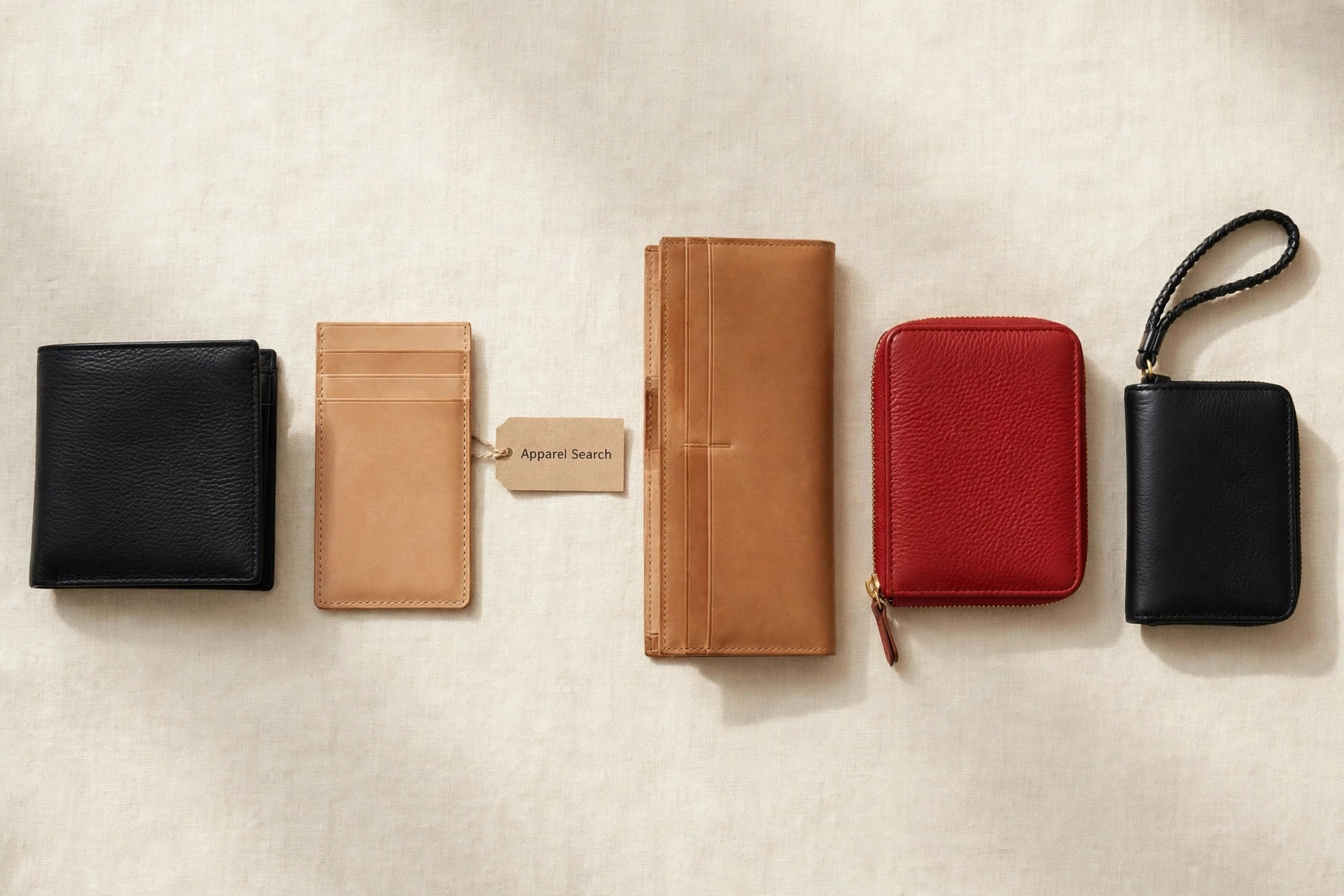 Wallet Types ExplainedBifold, continental, zip-around, card case and wristlet wallet: capacity against bulk, and choosing by the bag it must fit.
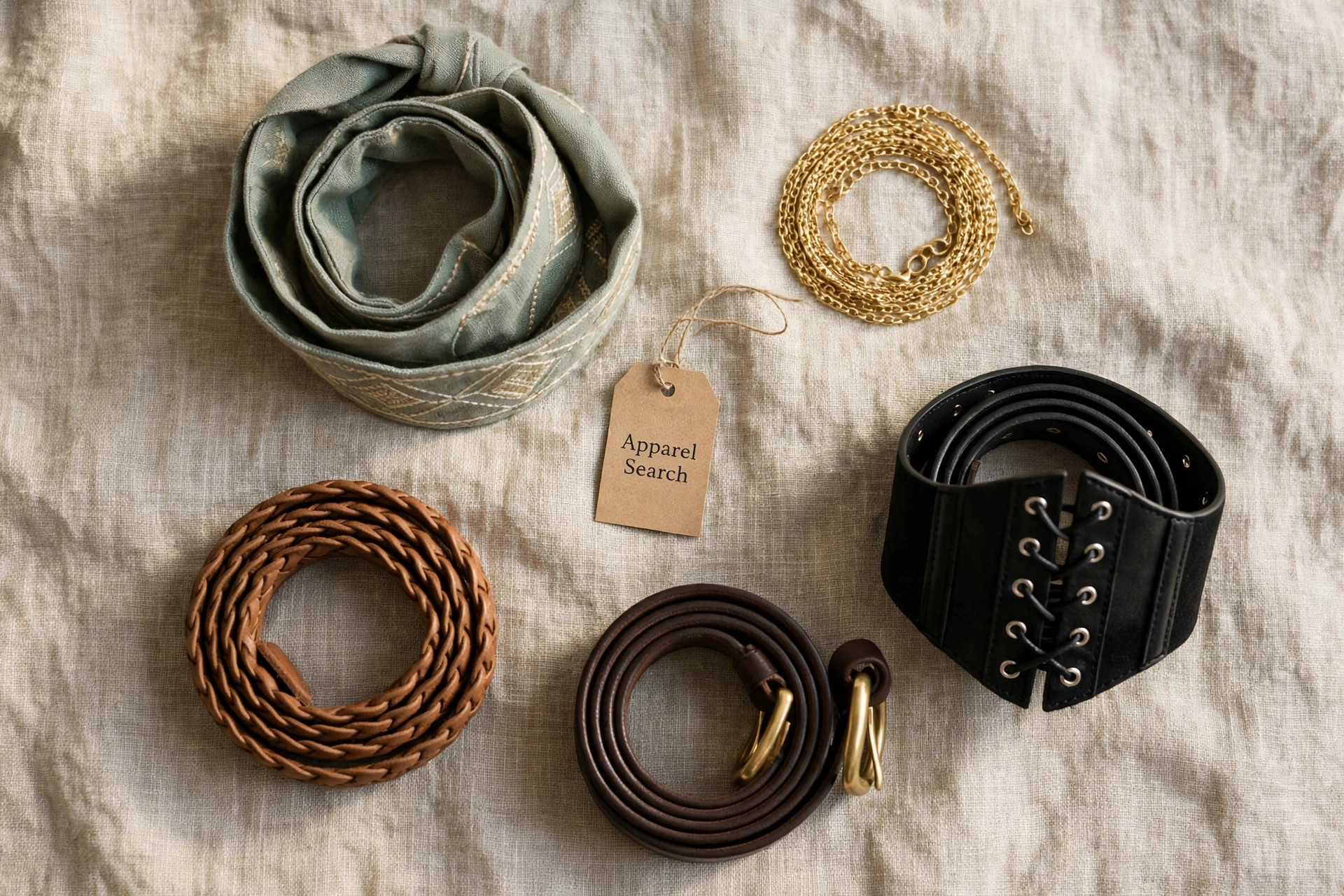 Belt Types & StylesObi, chain, corset and braided belts alongside the classics: waist placement and how to style each type.
The Type Map: The Named Shapes in Brief
These are the definitions the rest of the section builds on — each type in a sentence or two, with its detailed guide linked from the cards above.
Top-Handle Bag
A structured bag carried by one or two short rigid handles, held in the hand or in the crook of the elbow. The silhouette stays formal and upright — the classic ladylike bag shape, and the anchor of the structured family.
Frame Bag
A bag built on a rigid metal frame at the mouth, usually closing with a clasp or kiss-lock. The frame gives the opening its shape and its snap; vintage in origin, perennially revived.
Doctor Bag
A roomy structured bag on a hinged frame that opens wide like a physician's case, with a clasp or padlock-style closure on top. The widest-opening, highest-capacity bag in the structured family.
Drawstring Bag (Bucket Bag)
A soft pouch-style bag gathered closed by a drawstring or cinch at the top, usually with a flat base and a shoulder or crossbody strap. Deep, unstructured and casual — the everyday end of the soft family.
Crescent Bag (Half-Moon Bag)
A shoulder bag cut in a curved crescent or half-moon silhouette that hugs the body under the arm. A soft-family shape whose curve is the whole design.
Envelope Clutch
A flat, hand-carried evening bag whose flap folds over like the flap of an envelope, often closing with a magnetic snap or a small clasp. Holds the evening minimum: phone, cards, lipstick.
Minaudière
A small hard-case evening bag — metal, lacquer, crystal or enamel — carried in the hand like a piece of jewelry. The most formal bag type there is, and the least capacious.
Camera Bag
A compact boxy bag with a long crossbody strap and internal dividers, descended from cases built to protect cameras. In fashion use: a small structured organizer bag worn hands-free.
Choosing by What You Carry
Type names are geometry, but choosing is arithmetic. Before any other quality, run your actual daily load against the shape: phone, wallet, keys, and then your personal fourth item — sunglasses case, book, water bottle, laptop. A structured bag protects a laptop and papers and keeps them findable; a soft bag swallows a sweater but buries small things, which is why soft-bag owners so often add a pouch or a wristlet wallet as an inner organizer. Evening types invert the logic: the discipline is the point, and the envelope clutch's flat profile is a promise that you are carrying the minimum, elegantly. When in doubt between two types, choose the one whose shape matches the load you carry on your worst day, not your lightest — a bag that fails on the heavy day gets left home, and a bag left home is the most expensive kind.
Day Bags and Evening Bags
The day/evening line is drawn by three things: size, material and hardware shine. Day types — doctor, bucket, crescent, camera, backpack purse — are scaled to a day's contents and finished in matte, durable materials. Evening types — the envelope clutch and the minaudière above all — are scaled to essentials, and satin, beading and polished metal are not decoration but the uniform of the category. The wristlet is the bridge: a day wallet's organization with an evening bag's footprint. One practical consequence: an evening bag is the worst place to economize on construction, because the type has nowhere to hide a flaw — a crooked frame or a cheap clasp is the whole bag.
Common Questions
What is the difference between a structured and a soft handbag?
Construction. A structured bag is built over a firm frame or stiffened panels, so it holds its silhouette empty, stands upright on its own and protects what is inside; a soft bag is made from pliable material with little or no internal support, so it drapes, slouches and molds to its contents. Neither is better in general — structured suits polish, work and fragile contents, soft suits relaxed outfits and bags you want to feel light — but the two families age differently and are carried differently, which is why this guide treats them as the first fork in the type map.
Which handbag type holds the most?
Of the named specialty types, the doctor bag is the capacity champion: its hinged frame opens the mouth wide and the body is a single generous compartment. A drawstring bucket bag is next — deep and unstructured, though what it gains in volume it gives back in organization. At the other end sit the evening types: an envelope clutch holds a phone, cards and a lipstick, and a minaudière often holds less than that. The honest measure is never liters alone; it is whether the shape fits your specific daily load, which is why every guide in this section lists what actually fits.
Is a camera bag only for carrying a camera?
No. The camera bag is named for its origin — a boxy, padded, compartmented case for camera gear — but as a fashion bag it is simply a small structured crossbody with excellent internal organization. Most are bought by people who never put a camera in them, because the same dividers that protected lenses organize a phone, wallet, keys and cosmetics unusually well.
How many handbag types does a wardrobe actually need?
Fewer than the type map suggests, because types overlap in duty. A workable rotation for most people is one structured day bag, one soft or hands-free bag for casual days and travel, and one evening piece — chosen from the types that fit how you actually live. The map matters less as a shopping list than as a vocabulary: once you can name the types, you can spot what a new bag would genuinely add instead of duplicating a job you already own.
Begin With the Built Bags
The structured family is where handbag types began — bags engineered around frames, hinges and stiffened leather to do specific jobs. Our structured handbag styles guide takes the top-handle, the frame bag and the doctor bag one at a time: how each is built, how it closes, and the days each one is for.