Apparel Search · Destination Dressing
What to Wear When Traveling
Packing decides what fits in the case. The destination decides what should. This guide covers the second half of the problem: reading a place — its norms, its sacred sites, its streets and its weather — and dressing well for all of it.

Most travel dressing advice starts with the suitcase: how to fold, roll and compress. That is the packing question, and our travel packing guide answers it in full. This guide starts somewhere else — with the place. A cathedral in Rome enforces a dress code at the door. A London week is planned around rain that may or may not arrive. A Japanese inn expects shoes that come off in seconds, and socks worth being seen in. None of that is a packing problem. It is a destination problem, and it is solved before the case is opened, by reading where you are going.
Search Apparel Search
01 / Reading the Place
Start With the Place, Not the Suitcase
Every destination has a dress code; most are simply never written down. You read them the way residents do: by watching what people wear to dinner, to worship, to work and to the market, and by noticing what nobody wears at all. Three habits do most of the work. First, look at photographs of ordinary street life at your destination, not fashion shoots — the gap between the two is where visitor mistakes live. Second, dress half a step smarter than you expect to need: a traveler who is slightly overdressed is comfortable everywhere, while the reverse is true only at the beach. Third, treat every specific rule you meet — a church door sign, a restaurant's jacket request, an onsen's posted policy — as the final word for that place, ahead of anything a guide (including this one) generalizes.
The city guides in this series apply the same reading to four of the most-visited destinations on earth. Paris rewards neatness and understatement. Italy pairs its famous smartness with dress codes that are genuinely enforced. London is a layering problem wrapped in a rain forecast. Japan runs on neatness, modesty and shoes that come off easily. The American entry, Nashville, shows the same principles at work in a city built on music and walking.
02 / Sacred Sites
Sacred Sites Have Real Dress Codes
Churches, cathedrals, temples, shrines and mosques are the one place where travel dress codes stop being custom and become rules. The widespread pattern: shoulders covered, knees covered, and in some places a covered head for women, with staff at major sites empowered to turn visitors away — and at the most visited churches, they do, every day. The rule is not about fashion and is not negotiable at the door, which is why the experienced traveler's answer is carried, not worn: a lightweight wrap or shawl in the day bag covers shoulders in ten seconds, and a skirt, trousers or dress that reaches the knee removes the second problem entirely. Our modest fashion guide works through coverage dressing in depth, and the Italy guide below gives the best-known enforced example, at St Peter's and the great cathedrals.
03 / Streets & Surfaces
Old Streets Decide Your Shoes
Destinations vote on your footwear with their surfaces. Europe's old towns are paved in cobblestones and polished marble that turn narrow heels into a slow, ankle-risking negotiation. Temple and shrine precincts add gravel paths and steep stone steps. Even flat, modern cities make the case quietly: sightseeing is walking, five to ten miles of it, on feet that have to work again tomorrow. The destination-dressing conclusion is the same everywhere: shoes are equipment first and decoration second. One comfortable, broken-in pair that handles wet stone and long days, in a style neat enough for dinner, will serve better than three fashionable pairs that each fail somewhere. City specifics — London's wet pavements, Italy's sanpietrini, Japan's slip-ons — are in the guides below.
04 / Dressing Discreetly
Dressing Discreetly in Crowds
Busy stations, markets and festival crowds are where clothing meets security, and a few quiet habits cover most of it. Wear your bag crossbody, zipped, and in front of you in a crush; a bag that closes beats a bag that merely looks closed. Keep the visibly expensive pieces — the watch, the jewelry, the logo-heavy bag — for settings where you are seated and settled, not for transit days. Cargo of paperwork and cards rides better in an inside or zipped pocket than in a back pocket. None of this asks you to dress down or dress drably; it asks that what you wear in a crowd closes, zips and stays close. The rest of the day, dress for the place.
The Short Version
Three Rules That Work Everywhere
1. Coverage is carried, not worn. A wrap, a layer and a knee-length option in the wardrobe solve nearly every dress code you will ever meet, without dressing for the strictest rule all day.
2. Shoes are equipment. Choose for the surfaces and the mileage first; style is what the right pair happens to look like.
3. Neat beats new. In every destination in this series, clean, well-fitting, well-kept clothes in ordinary styles read better than this season's statement piece. Travelers are judged on tidiness long before taste.
05 / Fitting In
Respectful, Not a Costume
The line every thoughtful traveler walks: dressing with respect for a place is welcome; dressing up as the place is not. Adapting is quiet work — choosing the covered option at a shrine, the neater option at dinner, colors and silhouettes that sit comfortably in the local picture. Imitation is loud work: traditional and ceremonial garments worn as a visitor's costume, sacred items worn as accessories, the full folk outfit bought at a souvenir stall. If a garment carries religious or ceremonial meaning for the people who live there, admire it, photograph the craftsmanship where photographs are welcome, and leave wearing it to them. Buying a well-made everyday piece locally — a scarf, a shirt, a pair of shoes — and wearing it normally is the respectful middle ground, and usually the best souvenir in the case.
06 / Weather Systems
One Wardrobe, Several Climates
Place-based dressing sits on top of weather-based dressing, and the two should not be confused. Our dressing for the climate guide builds the weather layer of the system: how to assemble outfits by temperature and conditions wherever you are. Its companions go deeper on the extremes — what to wear in humid weather, which Japan's summer puts to the test, and dressing for extreme cold. Read the climate guides for the system and the city guides in this series for the local rules that weather alone never explains: the same 30°C day asks for a church-ready wrap in Rome and slip-on shoes in Kyoto.
The Series
City Guides in This Series
Each guide reads one destination the same way: its norms, its rules, its streets and its weather.
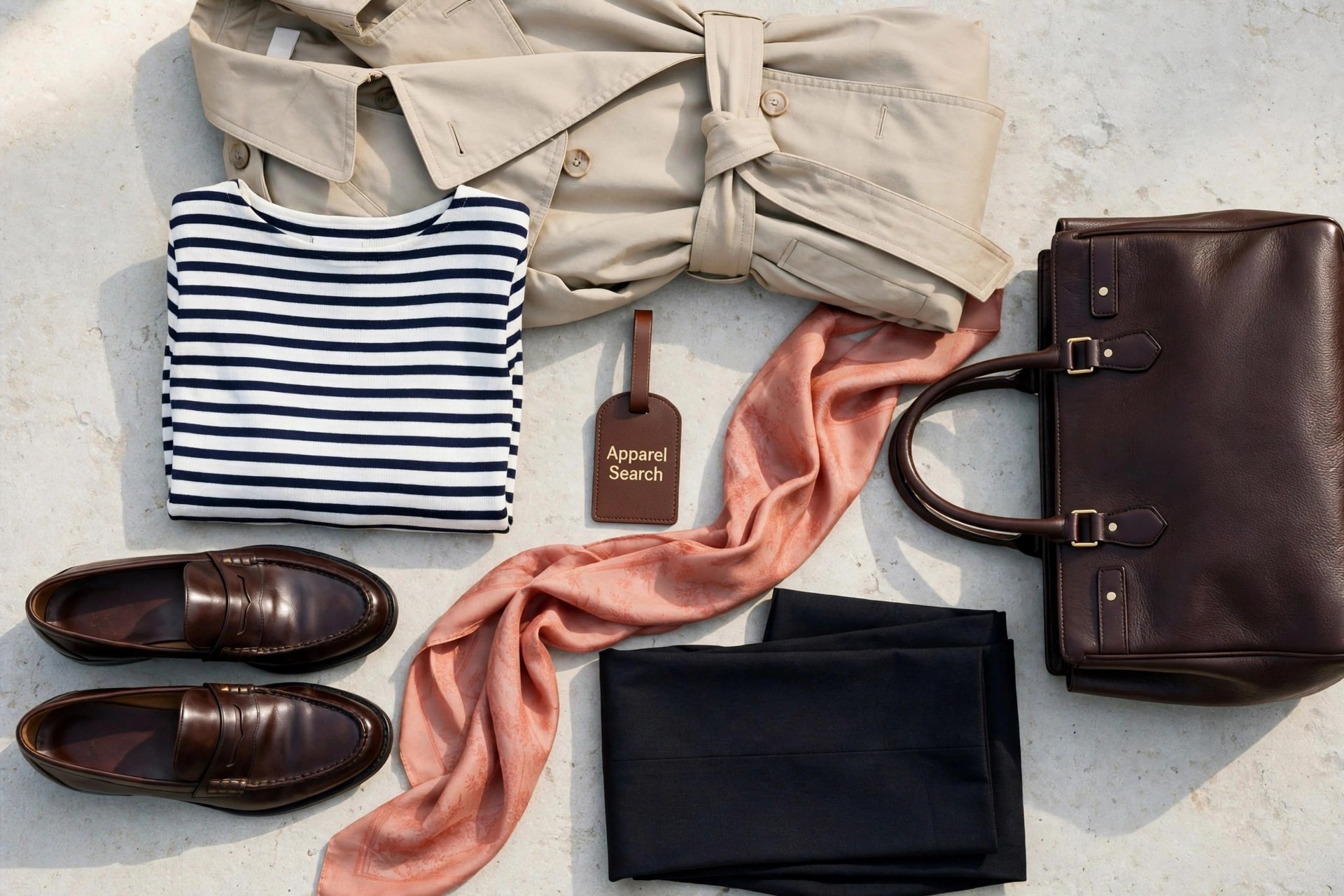 What to Wear in ParisNeatness, muted colors and serious walking shoes: the honest version of the Parisian look, plus cafés, museums and changeable weather.
 What to Wear in ItalyEnforced church dress codes, cobblestone-proof footwear, the smart-casual baseline and dressing for real summer heat.
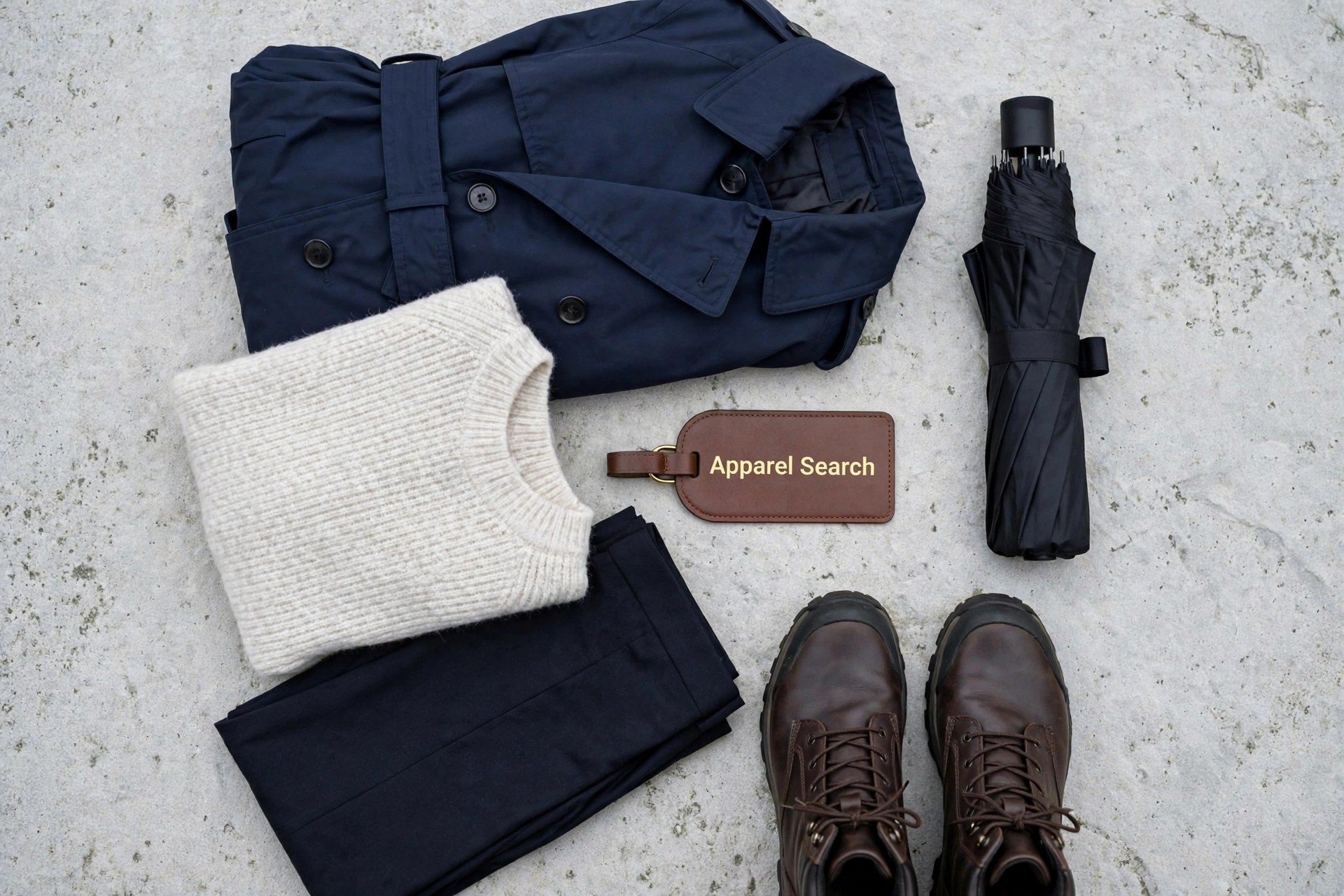 What to Wear in LondonRain-first dressing, the layering system, pub and theatre norms, and the business-casual baseline.
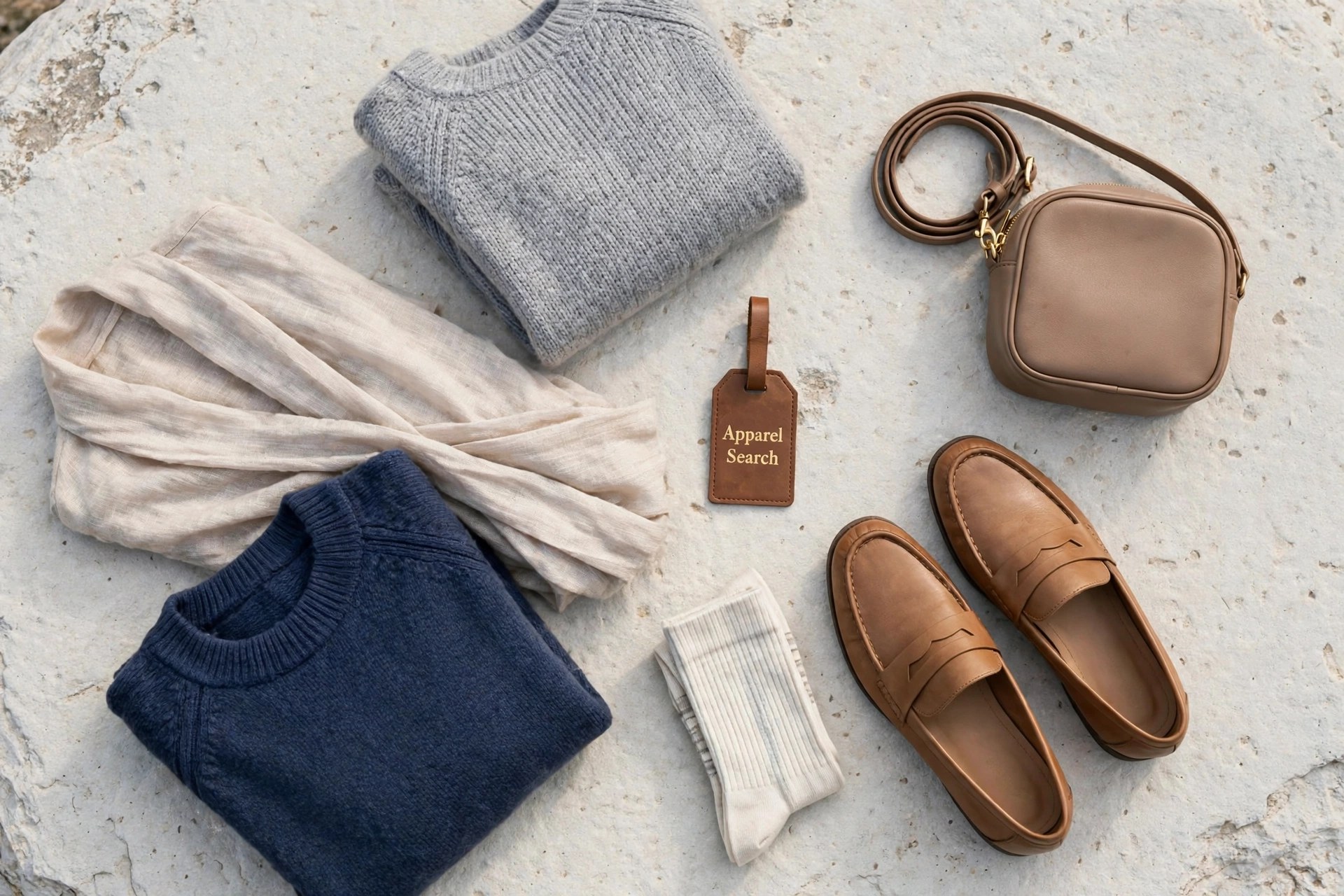 What to Wear in JapanShoes-off customs and the socks that come with them, neat understated dressing, shrines and onsen, and seasonal extremes.
 What to Wear in NashvilleThe American entry in this series: honky-tonk nights, sightseeing days and boot-packing, season by season.
Travel Clothing & Accessories
Travel wraps, crossbody bags, packable layers and walking shoes for the trips in these guides are gathered in one place:
Shop Travel Clothing on Amazon
This link opens the Apparel Search shopping guide for Amazon, where the product links are kept in one place.
Questions
Common Questions
How do I find out what people wear at my destination?
Look at ordinary street photography and recent visitor photos rather than fashion coverage, check the websites of the specific churches, museums and restaurants on your list for posted dress rules, and plan on dressing half a step smarter than your everyday standard. Specific posted rules always outrank general advice.
What should every traveler pack for dress codes?
One lightweight wrap or shawl that covers shoulders, at least one bottom or dress that covers the knee, and one neat outfit that works for a good restaurant. Those three items answer nearly every dress code a visitor meets, from cathedral doors to theatre evenings.
Are sneakers acceptable in Paris, London and other European cities?
Yes. Clean, plain sneakers and walking shoes are everyday footwear for residents of all four cities in this series. What reads as careless is not the shoe category but condition and context: muddy trainers at a smart dinner stand out; tidy walking shoes do not.
How do I dress respectfully without buying a whole new wardrobe?
Start from your own neatest clothes. Add the wrap, choose the longer hemline options you already own, and let condition do the work: clean, pressed, well-fitting basics in muted colors pass in more places than any specially bought travel outfit.
What is the difference between this guide and a packing guide?
A packing guide decides how clothing travels; this guide decides what the clothing should be once you arrive. The two halves meet in the suitcase: take the method from a packing guide, and choose the contents by the destination rules here.