Men's Dress Pants Guide
Men's dress pants are tailored trousers in dress fabrics - worsted wool above all - cut to be worn with a jacket, a blazer or a pressed shirt as the lower half of a man's formal and business wardrobe. They are distinguished from chinos and jeans by cloth, construction and finish: a crease pressed to a blade's edge, a curtained waistband, hems finished to a chosen break, and a drape that is the whole aesthetic. The trouser sits at the center of an outfit - dress slacks, dress shirts, ties, blazers and sports coats.
Shop Men's Dress Pants Now
Shop Men's Dress Pants on Amazon Shop Men's Dress Pants on eBayThe Amazon and eBay links on this page are affiliate links. If you make a purchase through them, Apparel Search may earn a commission.
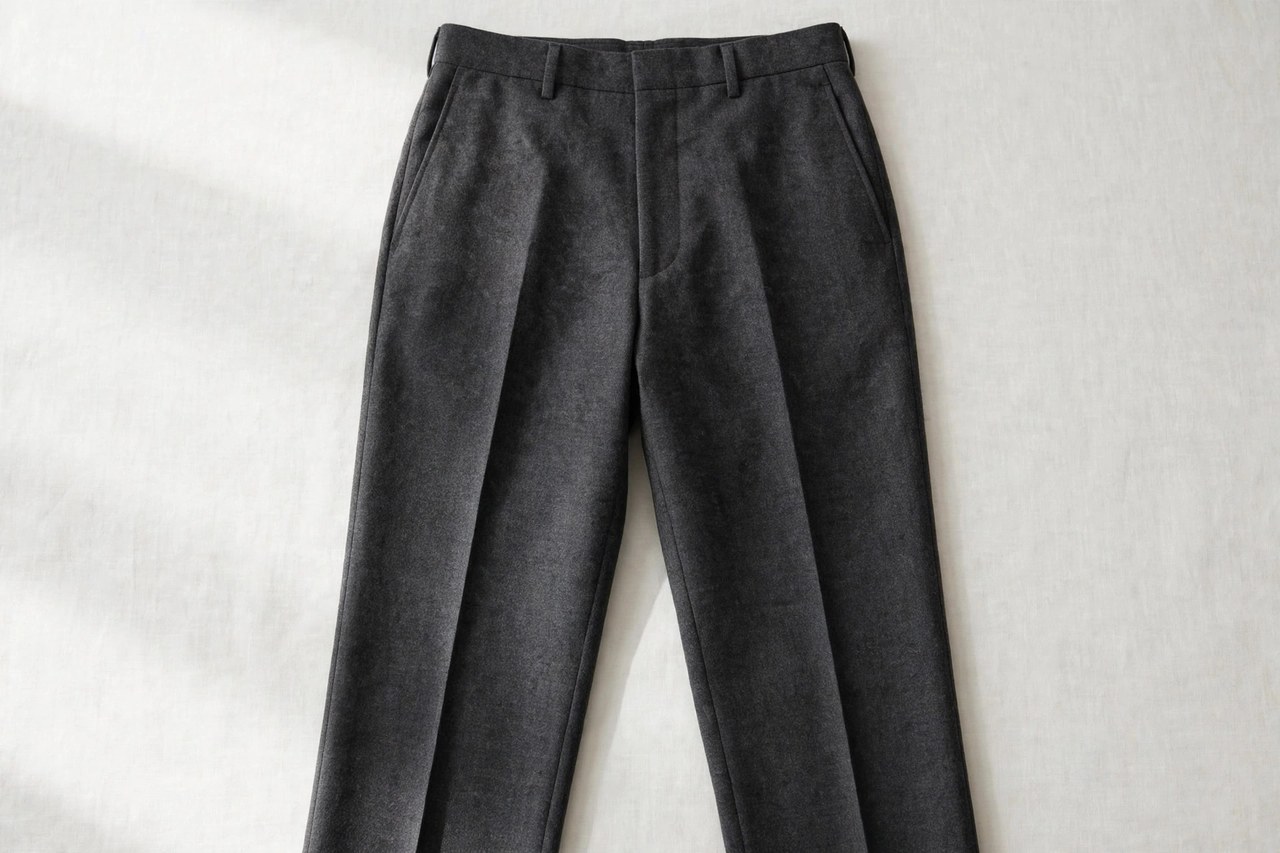
Men's dress pants are tailored trousers in dress fabrics - worsted wool above all - cut to be worn with a jacket, a blazer or a pressed shirt as the lower half of a man's formal and business wardrobe. They are distinguished from chinos and jeans by cloth, construction and finish: a crease pressed to a blade's edge, a curtained waistband, hems finished to a chosen break, and a drape that is the whole aesthetic. The trouser sits at the center of an outfit - dress slacks, dress shirts, ties, blazers and sports coats. This guide covers the styles worth knowing, the fit points that decide comfort, the fabrics and construction that separate a good buy from a regret, and the simple care that makes the garment last.
Styles and Construction
Cloth is the first specification: worsted wool in tropical weights for summer, mid-weight all-season worsteds as the default, flannel for winter's softness, with wool blends and modern stretch worsteds trading a little drape for forgiveness. Fronts divide into pleated (room through the seat and thigh, a formal lineage, back in fashion's favor) and flat (cleaner, leaner, the modern default). Construction details separate the tiers: a split-back waistband that a tailor can actually alter, interior curtaining that makes the waistband grip a tucked shirt, extension closures, and hems with enough outlet to re-finish. Cuffs add weight and formality to taller men's trousers; plain hems keep the line light.
For any leg garment the rise is the first specification, because it decides sitting comfort before fabric gets a vote: measure from front waistband through to back and compare it with a pair that already works. Then audit the stress points - bar-tacked belt loops and pocket corners, double-stitched inseams, hems finished evenly - and the pocketing, which should be deep, smooth and strong enough to carry what the garment's pockets invite you to carry.
Fit and Sizing
Fit dress pants as tailoring: waist at the natural waist with the band snug on two fingers, seat smooth without pulling, thigh easy, and the leg falling to the shoe with your chosen break - a slight break as the all-purpose answer, none for the cropped modern line, full only for traditional drape. The crease should hang from the waistband's center to the shoe without wandering, which is the fitting room's truest test: a crease that swings sideways marks a rise or hip mismatch no hem can fix. Buy for the tailor: trousers are the most alterable garment you own, within the waistband's split allowance.
Measure where the waistband will actually sit, plus inseam to your preferred break, and thigh and seat for closer cuts. Then sit, squat and climb a step in the fitting room - a leg garment that only works standing still does not work. Waistbands relax roughly half an inch in wear and inseams shrink most in early washes, so buy the fit you want after those changes rather than the fit in the mirror.
Wearing and Care
Wool dress pants are rotation clothing: a day of rest between wears, hung by the waistband or folded over a broad hanger bar so the crease sets rather than fights the fold. Brush after wear, press the crease (a pressing cloth protects the worsted's surface from shine), and dry-clean sparingly - twice a season is a rhythm, not a schedule - because each cleaning spends the wool's natural oils. Spot-treat the cuff grime and seat sheen first. A good pair, rotated and rested, keeps its crease and drape for years of weekly service.
Wash leg garments inside out and cool; heat is the agent that fades dye, tires elastic and shortens inseams. Dry low or on the line, hang or fold promptly, and crease deliberately or not at all. Walk the stress points each season - hem edges, pocket corners, seat and inner thigh - and mend the small fray while it is still small: leg garments fail gradually, then suddenly, and the two-minute October repair prevents the November replacement.
Common Questions
What is the difference between dress pants and slacks?
In modern usage, almost none in the garment: slacks is the older American term for the same tailored trouser, originally meaning a looser, uncreased leisure trouser and now used interchangeably with dress pants by most retailers. Where a distinction survives, slacks implies the softer, less formal end - worn without a matching jacket - and dress pants the tailored end of the same drawer. Our guide gives slacks their own page for the drape-and-crease view; the buying checks - cloth, waistband construction, break - are identical.
Pleated or flat front - which should you choose?
By build and by use. Pleats give the seat and thigh room that sitting professions and larger builds genuinely use, and they carry a formal, traditional line with jackets. Flat fronts give the clean, close line modern tailoring favors and suit slim builds. The deciding test is the chair: sit in the fitting room. A flat front that pulls across the pockets is telling you to buy the pleat; a pleat that billows on a slim frame is telling you the reverse. Comfort seated is the specification; the mirror is a poor second.
How much break should dress pants have?
The slight (or half) break - the cloth resting on the shoe with one soft fold - is the versatile modern default, correct with suits and separates alike. No break (the hem kissing the shoe) suits cropped, lean tailoring and warm climates. A full break, with the cloth pooling, belongs to traditional full-cut trousers and reads deliberate only there. State your break to the tailor with the actual shoes on your feet; a centimeter of heel changes the answer.
More in Men's Clothes Guide D
The Outfit Around the Trouser
The trouser is the center of an outfit: dress slacks, dress shirts, ties, blazers and sports coats form the separates system around it. A dress pant earns its price across the jackets and shirts it completes, not alone in a fitting room.
Looking for Men's Clothing Stores?
This guide explains men's dress pants. To browse where to buy, visit our men's clothing store directory, where you can find retailers that carry them.