Women's Baseball Shoes Guide
Turf shoes and trainers for practice, cages and coaching — the diamond footwear that lives between cleats and sneakers.
Shop Women's Baseball Shoes Now
Shop Women's Baseball Shoes on Amazon Shop Women's Baseball Shoes on eBayThe Amazon and eBay links on this page are affiliate links. If you make a purchase through them, Apparel Search may earn a commission.
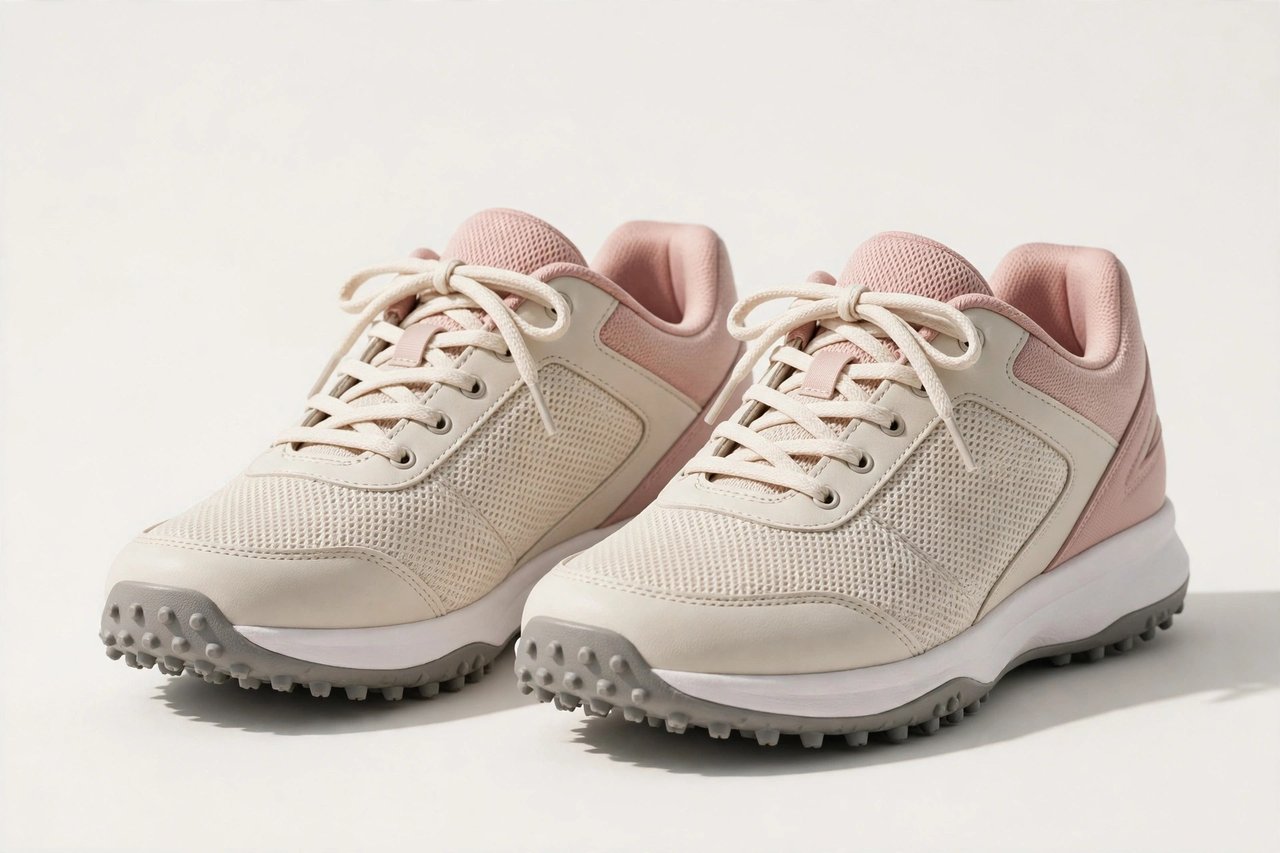
Not every hour of a baseball or softball player's week happens in cleats. Batting practice on artificial turf, winter workouts in an indoor facility, coaching from the third-base box, running drills on a warning track — all of it calls for baseball shoes that are not cleats: turf shoes and trainers built specifically for the sport. They borrow the fit, support, and styling of a cleat but replace the spikes with soles made for hard, flat, or synthetic surfaces. For many women, a good pair of turf shoes becomes the most-worn footwear in the gear bag, because practices outnumber games and indoor facilities flatly forbid spikes on their surfaces.
Turf Shoes vs Trainers vs Cleats
Cleats concentrate traction into spikes or studs that penetrate soil — unbeatable on dirt and grass, useless and often banned indoors. Turf shoes spread traction across dozens of small rubber nubs or a fine herringbone pattern, gripping artificial turf, hard-packed dirt, and batting-cage surfaces without tearing them up. Trainers look like athletic sneakers with baseball styling: cushioned midsoles, mesh or synthetic uppers, and flatter rubber outsoles made for lifting, agility ladders, and general conditioning. The practical test is where you will stand. If the surface would be damaged by spikes or punish your feet through a spiked sole, you want turf shoes. If you are training more than fielding, you want trainers. Most serious players own cleats for games and one of the other two for everything else.
Where Baseball Shoes Earn Their Keep
Indoor facilities are the obvious home turf: batting cages, pitching tunnels, and winter clinics almost universally require turf shoes or sneakers to protect their mats and turf. Artificial turf fields, now common at schools and complexes, play faster and harder than grass, and many players prefer turf shoes there for shorter practices to spare their knees and ankles the pounding of cleats on a shallow, unforgiving surface. Coaches and umpires who stand for doubleheaders choose trainers for the cushioning alone. Turf shoes also travel well — they handle the walk from the parking lot, a stop for food after the game, and a full day of tournament spectating without a shoe change, none of which metal cleats can manage.
Traction Patterns and Surfaces
The sole tells you what a baseball shoe is for. Dense, short rubber nubs in a multi-directional pattern grip synthetic turf in every direction a fielder cuts, and they are the safest choice for mixed indoor-outdoor use. Herringbone and wave patterns borrowed from court shoes excel on smooth concrete and cage flooring, channeling dust away for a clean grip during pitching drills. Deep, widely spaced lugs belong to trail-style trainers and are overkill indoors, where they can feel unstable on flat floors. Whatever the pattern, check that the outsole rubber is non-marking if you train in gyms or facilities with finished floors. A quick hand test — twist the shoe and press the sole — should show a sole that flexes at the forefoot but stays firm through the midfoot for stable landings.
Fit and Support for Training Loads
Practice footwear takes more total hours than game cleats, so fit matters even more. Look for the same women's-specific shape as your cleats: secure heel, roomier forefoot, and a midfoot that locks down for lateral drills. Agility work punishes a sloppy heel, so lace trainers snugly and use the extra top eyelet for a runner's loop if your ankles roll in standard shoes. Cushioning should match your workload — thick, soft midsoles for coaches and long sessions on concrete, firmer and lower soles for lifting and quick footwork, where a spongy shoe wobbles under load. If you wear orthotics or ankle braces in your cleats, confirm they fit the trainer too; the internal volume differs between brands more than players expect.
Care and When to Replace Them
Turf shoes and trainers live a dusty life, so knock them out after sessions and air them with the insoles pulled when they get damp. Most synthetic uppers clean up with a brush and mild soap; avoid machine washing cushioned trainers, since it breaks down midsole foams and adhesives. Rotate practice shoes with a second pair if you train daily, giving the foam a day to rebound between sessions. Replace trainers when the midsole feels packed and dead under the heel, when the nub pattern wears smooth in the ball of the foot, or when new soreness shows up in your shins and knees after ordinary workouts — worn training shoes are a quiet cause of overuse aches. Kept clean and rotated, a good pair comfortably covers a full season of practices.
Related Women's Guides
More to Explore
Photos

Looking for Women's Clothing Stores?
This guide helps you choose women's baseball shoes by style and fabric. To browse where to buy, visit our women's clothing store directory, where you can find retailers that carry them.