Women's Designer Fashion Guide
Behind every collection is a house, a creative director and a calendar that never stops. Step inside the designer fashion world — and learn why the same dress costs what it does.
Shop Women's Designer Fashion Now
Shop Women's Designer Fashion on Amazon Shop Women's Designer Fashion on eBayThe Amazon and eBay links on this page are affiliate links. If you make a purchase through them, Apparel Search may earn a commission.
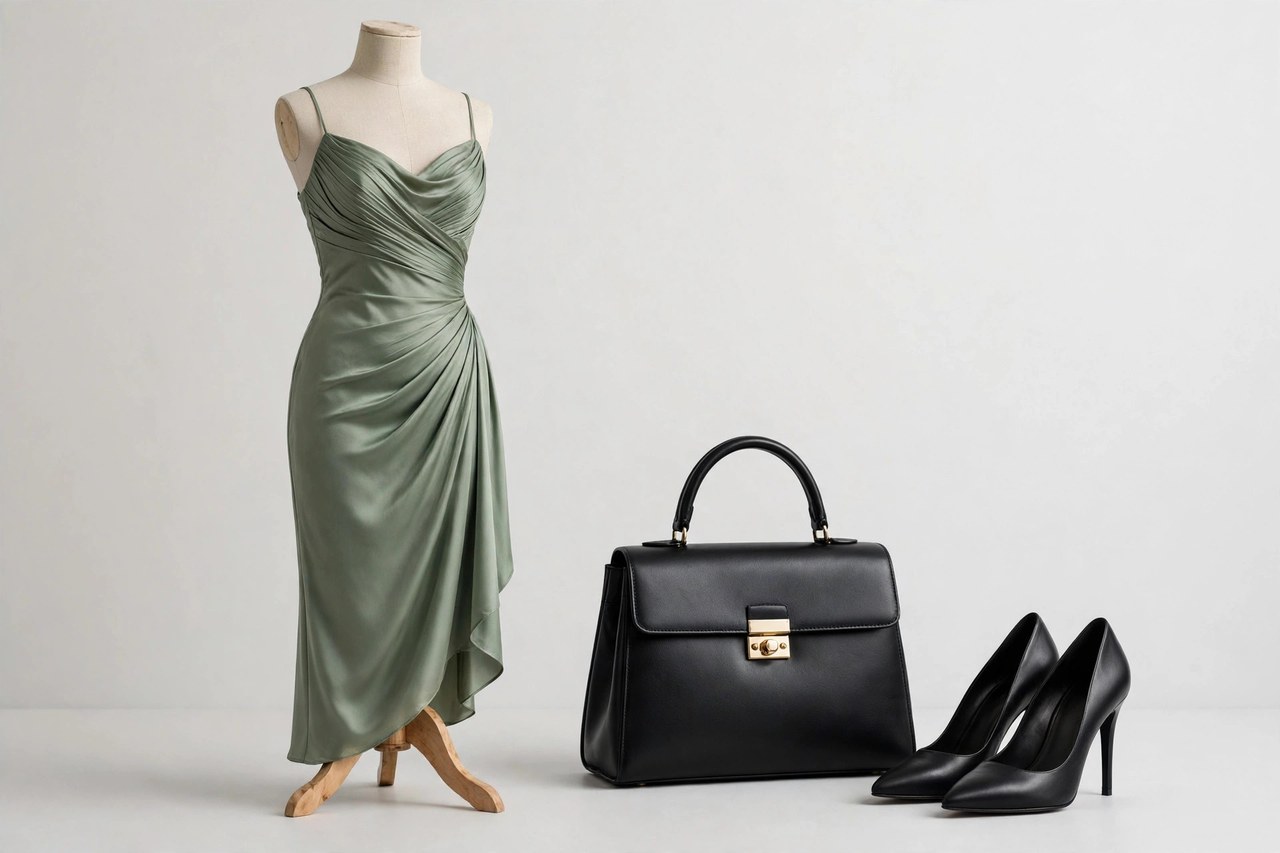
Designer fashion is both an art form and a global industry: a small number of influential houses set the silhouettes, colours and moods that eventually reach almost every wardrobe, including wardrobes that never buy a designer label. Understanding how that world works — who designs, when collections appear, and how an idea travels from a runway in Paris to a rail in your local store — makes you a sharper shopper and a more confident dresser.
This guide tours the system itself rather than individual garments. You will meet the fashion house and its creative director, follow the season calendar from sketch to sale rail, and see how diffusion lines and fashion weeks spread designer ideas at every price. Along the way it answers the question shoppers ask most: why two dresses that look similar at a glance can differ in price by a factor of ten.
Houses and Creative Directors
A fashion house is a brand built over years or decades around a distinct point of view — a way of cutting a shoulder, a palette, a mood that loyal clients recognise instantly. Some houses still carry their founder's name; others are historic names revived by new owners. Daily creative control sits with the creative director, who sets each season's theme, oversees design, casting, shows and campaigns, and stamps a personal vision onto the house codes.
Creative directors move between houses the way football managers move between clubs, and each appointment reshapes what the label looks like for several years. For shoppers, the practical lesson is to buy the era, not just the name: a house under a director whose taste matches yours is a reliable source, while a label in transition may produce collections that feel unlike the pieces you loved. Follow two or three houses closely and you will learn more than by skimming fifty.
The Season Calendar: Runway to Retail
Designer fashion runs on two main seasons. Spring/Summer (SS) collections are shown the previous autumn, and Autumn/Winter (AW) collections the previous spring, giving buyers and factories roughly six months to order, produce and deliver. Between them sit smaller resort or cruise and pre-fall collections that keep boutiques fresh and often contain the most wearable pieces of the year.
The journey runs sketch to sample, sample to runway, runway to buyers' orders, then production, delivery and finally the sale rail. Pieces that photograph dramatically may never be produced in quantity, while quiet commercial styles carry the season's profits. By the time a trend reaches high-street stores it has usually filtered through editors, buyers and diffusion lines for months — which is why buying a designer piece early in its cycle gives you the longest wearing life before the look feels dated.
Fashion Weeks and How Trends Filter Down
The four historic fashion capitals — New York, London, Milan and Paris — stage the main womenswear weeks, joined by growing calendars in Copenhagen, Seoul and elsewhere. Shows last minutes but generate the images that define a season: editors select the stories, buyers select the stock, and photographers carry the standout looks everywhere. Very few attendees buy what they watch; the shows are signalling, theatre and trade fair in one.
Trends filter down in layers. A silhouette appears first in couture and luxury ready-to-wear, then in a house's own diffusion line — a younger, less expensive collection under a related name — then in contemporary labels, and finally in mass-market versions. Each step simplifies construction and cheapens fabric, which is the honest answer to the price puzzle: the original dress carries original design work, better cloth, hand finishing and tiny production runs, while its descendants share only the outline.
Why the Same Dress Costs What It Does
Price in designer fashion buys authorship as much as cloth. The costly dress funds the studio that invented the cut, the atelier hours in draping and fitting, fabrics woven or printed exclusively, and construction that holds its shape through an evening and a decade. It also funds risk: houses produce many designs that never sell through, and the successes quietly carry the experiments.
None of that obliges you to pay full price. Shop diffusion lines for the house aesthetic at gentler cost, buy main-line pieces in the sales once you know your size in that label, and consider pre-owned for discontinued classics. Above all, judge a piece in person where you can — handle the fabric, check the lining and seams, and try the fit. Designer fashion rewards the informed eye, and the world behind the runway is far less mysterious once you know how its calendar, houses and tiers connect.
Related Women's Guides
Keeping Up With Fashion
Fashion moves so fast that by the time you read any trend page — including ours — part of it may already be out of style. A few tips still hold up: actually leave your house and see what other people are wearing; read fashion magazines and blogs (without believing everything they say); check trends on social media; and go shopping at a real store, where you can ask employees questions. Similar to beauty, fashion is in the eye of the beholder — trust your own judgment when you dress for the day, because a fashion trend is what you make of it.
Behind the scenes, fashion trends are influenced by cinema, celebrities, climate, creative exploration, and political, economic, social and technological forces. Because of the time required to bring a garment to market, designers must anticipate changes in consumer tastes, designing clothes that are functional as well as aesthetically pleasing for the people likely to wear them. Start with our fashion designers directory and the index of designer fashion by name, or browse popular brands.
Photos

More to Explore on Apparel Search
Looking for Women's Clothing Stores?
This guide helps you choose women's designer fashion by house, season and style. To browse where to buy, visit our women's clothing store directory, where you can find retailers that carry them.