Women's Designer Clothing Guide
A designer wardrobe is built one anchor piece at a time. Learn which pieces earn their price, how cost-per-wear really works, and how to care for clothing made to last.
Shop Women's Designer Clothing Now
Shop Women's Designer Clothing on Amazon Shop Women's Designer Clothing on eBayThe Amazon and eBay links on this page are affiliate links. If you make a purchase through them, Apparel Search may earn a commission.
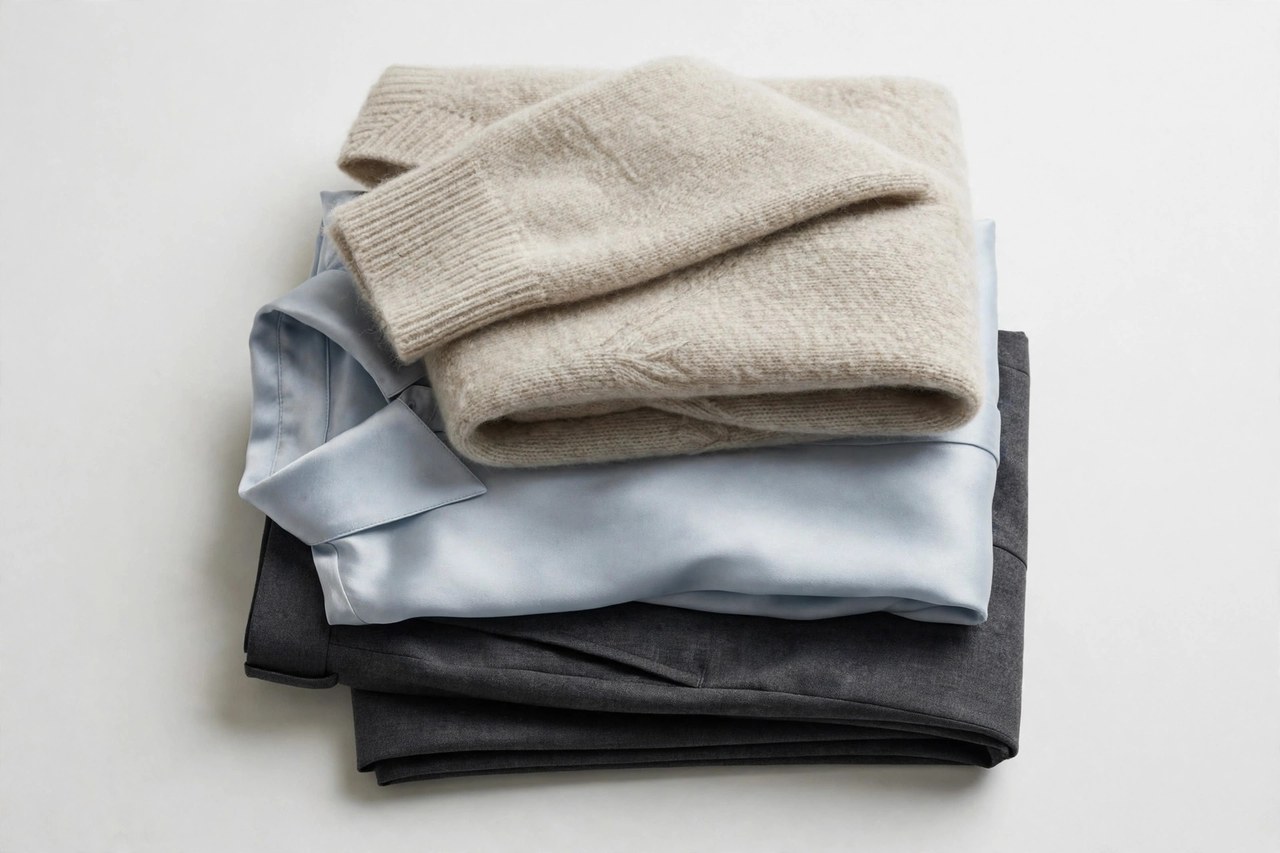
Designer clothing earns its place in a wardrobe by working harder and lasting longer than ordinary pieces, not by filling a rail with labels. The most satisfying designer wardrobes are surprisingly small: a core of beautifully made anchors in colours that combine easily, supported by simple basics, with one or two joyful statement pieces for personality. This guide is about building that kind of wardrobe deliberately, so every purchase lowers your cost per wear instead of raising your credit card bill.
If you already own a few designer pieces, use the sections below to audit them honestly — what gets worn weekly, what only comes out for photographs, and what never quite fit. Those answers tell you more about your next purchase than any trend report. Building well is mostly a matter of buying your actual life, in your actual sizes, in fabrics you are willing to maintain.
Anchor Pieces Worth the Money
Anchors are the pieces that structure almost every outfit, so quality shows here first. A tailored blazer with a shaped waist and clean shoulder line sharpens dresses, denim and trousers alike. A great coat in camel, navy or black is the garment other people see most all winter. Tailored trousers with a proper waistband and enough seam allowance to let out or take in will outlast several trend cycles, and a silk or fine cotton shirt lifts everything from a pencil skirt to jeans.
Add a versatile knit in merino or cashmere, a dress that works from desk to dinner with a shoe change, and well-made leather footwear, and you have a foundation that can carry a week of outfits. Buy anchors in your most-worn neutral first, in the best fabric you can comfortably afford, and have them tailored — ten minutes with a fitter does more for designer clothing than any accessory.
Cost-Per-Wear Math, Honestly Done
Cost per wear is simple division: price divided by the number of times you will realistically wear the piece. A 400-dollar blazer worn twice a week for three years costs well under a dollar a wear; a 90-dollar trend jacket worn four times costs more than twenty dollars a wear. The catch is the word realistically. Count wears against your calendar, your climate and your laundry habits, not against the life you wish you led.
Use the math as a filter, not an excuse. It favours versatile colours, classic cuts and fabrics that recover overnight, and it argues against duplicating what you own. It also rewards buying once at the right quality: replacing a peeling faux-leather bag three times costs more than one sound leather bag kept for a decade. Track your best buys for a season and you will quickly learn which categories deserve your designer budget and which never repay it.
Classics Versus Statement Pieces
Classics give a wardrobe its mileage: the trench, the navy blazer, the white shirt, the straight-leg trouser, the little black dress. Their shapes change slowly, their fabrics are the point, and they combine with everything. Statement pieces — a printed silk dress, a sculptural jacket, an extraordinary colour — give the wardrobe its joy and its identity. The balance most stylists recommend is roughly eighty percent classics to twenty percent statements, adjusted to your personality.
Buy statements with the same discipline as classics. A statement should still fit your colour palette, suit your figure and work with at least three anchors you already own. If it needs an entirely new supporting cast, it is a costume, not a wardrobe piece. When in doubt, let statements live in categories you can refresh more cheaply — a scarf, a shoe, a piece of costume jewellery — and keep the expensive silhouettes timeless.
Mixing Designer With Everyday Basics
High-low mixing is what makes designer clothing look modern rather than precious. Pair the tailored blazer with a plain cotton tee and straight jeans; wear the silk shirt under a high-street cardigan; let one designer piece lead each outfit and keep the rest quiet. Matching quality cues matters more than matching labels — clean shoes, pressed seams and a bag in good repair keep inexpensive basics looking intentional beside a luxury piece.
Care is the final investment skill. Store knitwear folded, coats on shaped hangers and dresses in breathable bags away from direct light. Rest leather shoes between wears, brush wool, and clean garments only as often as they need — overwashing ages fine fabrics fastest. Follow the care label, use a reputable cleaner for structured pieces, and repair small faults early. Designer clothing that is stored and maintained properly keeps its fit, its colour and a meaningful share of its resale value for years.
Related Women's Guides
Looking for Women's Clothing Stores?
This guide helps you choose women's designer clothing by piece, fabric and fit. To browse where to buy, visit our women's clothing store directory, where you can find retailers that carry them.