Women's Designer Apparel Guide
Designer apparel is not just a famous label — it is a ladder of craft, fabric and fit. Here is how the tiers work and what your money actually buys.
Shop Women's Designer Apparel Now
Shop Women's Designer Apparel on Amazon Shop Women's Designer Apparel on eBayThe Amazon and eBay links on this page are affiliate links. If you make a purchase through them, Apparel Search may earn a commission.
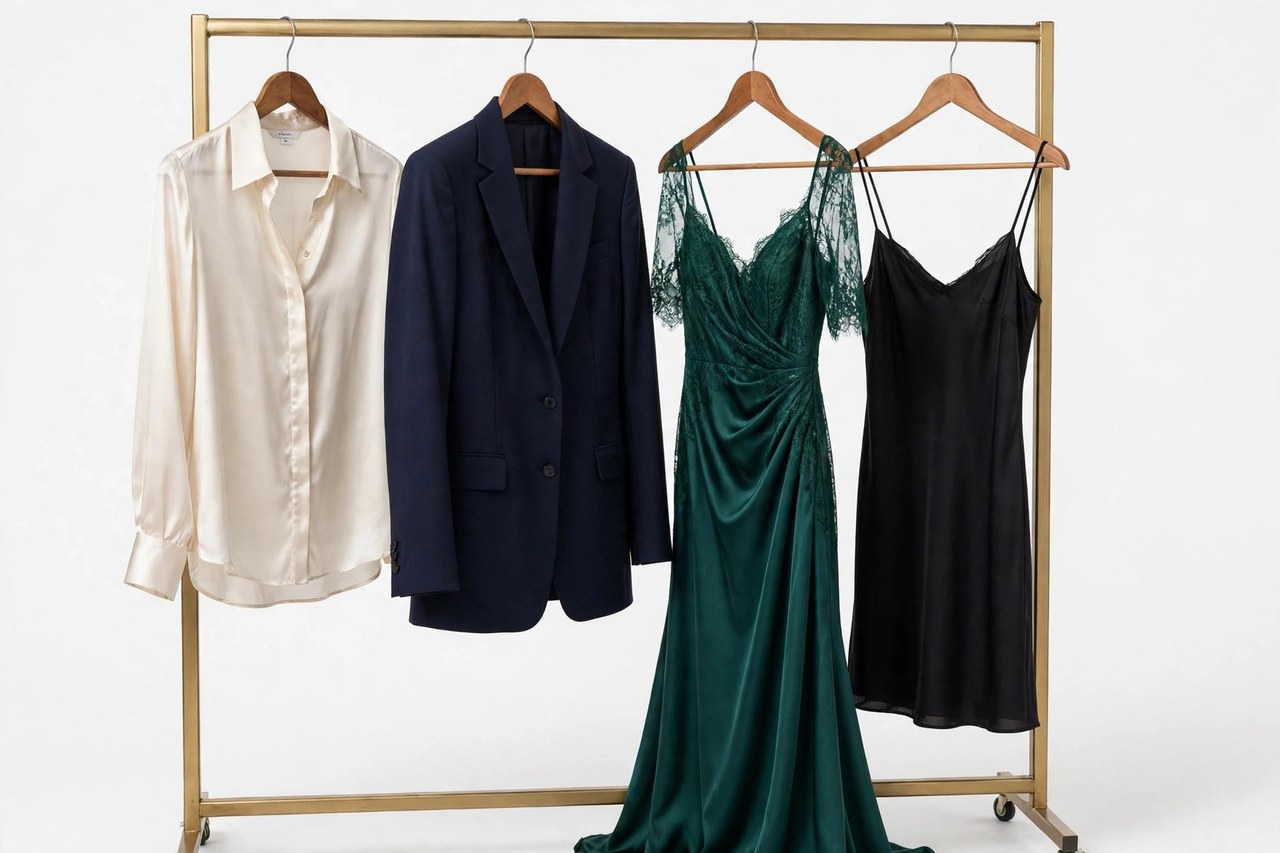
Designer apparel means clothing created under the direction of a named designer or established fashion house, produced to a higher standard of fabric, construction and finish than ordinary ready-to-wear. The label alone does not make a garment designer — the cut, the materials and the care taken over details you can feel but rarely see are what separate a designer piece from a lookalike. For shoppers, understanding that difference is the key to spending well instead of simply spending more.
This overview maps the whole designer range, from one-of-a-kind couture to accessible contemporary lines, so you can place any label, price tag or sale rack in context. Whether you are buying your first investment coat or adding a single special dress, knowing where a piece sits on the ladder helps you judge whether the quality on the hanger matches the number on the tag.
The Tier Ladder: Couture to Contemporary
At the very top sits haute couture: garments made to order for one client, fitted over multiple appointments, and finished largely by hand. Only a small number of houses are officially permitted to use the term, and prices run into five figures. Below it, luxury ready-to-wear is the main designer business — seasonal collections sold in standard sizes in boutiques and department stores, still using excellent fabrics and complex construction, but produced in limited runs rather than for one person.
Next comes the contemporary or bridge tier, where younger-leaning labels offer designer styling, cleaner fabrics and better fit than the high street at a mid-range price. Premium labels sit just below that, focusing on elevated basics — a superb white shirt, a perfect trouser — without runway theatrics. Diffusion lines, the secondary collections many houses run under a related name, belong in this zone too. None of these tiers is automatically better for your wardrobe; the right tier is the one whose quality you will actually wear, week after week.
What the Premium Actually Buys
Four things justify most of the price gap. First is fabric: designer apparel typically uses natural fibres, higher yarn counts, denser weaves and cloth milled to the house specification, so a wool crepe drapes instead of clinging and a silk keeps its lustre after cleaning. Second is construction — matched patterns at the seams, canvassed jackets, lined bodices, reinforced stress points and generous seam allowances that let a tailor adjust the fit later.
Third is fit: designer blocks are graded carefully and often cut closer to the body with shaped seams, darts and sleeves set to move naturally. Fourth is finishing: hand-rolled hems, covered buttons, clean interior seams and hardware that feels weighty rather than tinny. You may never list these details out loud, but together they explain why a designer garment hangs better on the body, photographs better and still looks composed after a full day of wear.
How Designer Pricing Works
A designer price bundles far more than cloth and labour. It covers the creative studio, sample development, runway presentation, small production runs that cannot spread costs the way mass orders do, boutique rents and the cost of unsold sizes at the end of a season. Limited runs are a feature, not an accident — scarcity protects both the design and its resale value. That is also why prices climb steeply at the top of the ladder, where hand hours multiply, and soften in contemporary lines, where houses trade some handwork for reach.
Smart shoppers read price against use. A coat worn a hundred times over five winters can cost less per wear than a bargain jacket replaced every year. Sales, end-of-season reductions and reputable resale all bring genuine designer apparel within reach, but check fabric content, lining and stitching rather than trusting the label alone — quality varies within every house, and an informed eye is worth more than any logo.
Building a Mixed High-Low Wardrobe
Few wardrobes need to be designer from head to toe, and the most stylish rarely are. A practical approach is high-low dressing: invest at the top in the pieces that carry an outfit and show wear first — a tailored coat, a well-cut blazer, leather shoes, a structured bag and one excellent dress — then fill in with well-chosen everyday basics such as cotton tees, knitwear and denim where the quality gap is smaller.
Start with your real life, not a runway fantasy. Note the colours you repeat, the silhouettes that suit you and the gaps you feel every morning, then buy one considered piece at a time and wear it hard before adding the next. Keep receipts, store investment pieces in breathable garment bags, and budget for occasional tailoring and proper cleaning. Built patiently, a mixed wardrobe gives you the finish and longevity of designer apparel where it matters most, without paying designer prices for every single layer.
Related Women's Guides
Looking for Women's Clothing Stores?
This guide helps you choose women's designer apparel by label, style and fit. To browse where to buy, visit our women's clothing store directory, where you can find retailers that carry them.