Women's Plus Size Apparel Guide
Plus size apparel is all clothing patterned for fuller bodies in sizes 14W and up — graded for bust, waist and hip proportions, not simply enlarged, so every category fits curves as it was designed to.
Shop Women's Plus Size Apparel Now
Shop Women's Plus Size Apparel on Amazon Shop Women's Plus Size Apparel on eBayThe Amazon and eBay links on this page are affiliate links. If you make a purchase through them, Apparel Search may earn a commission.
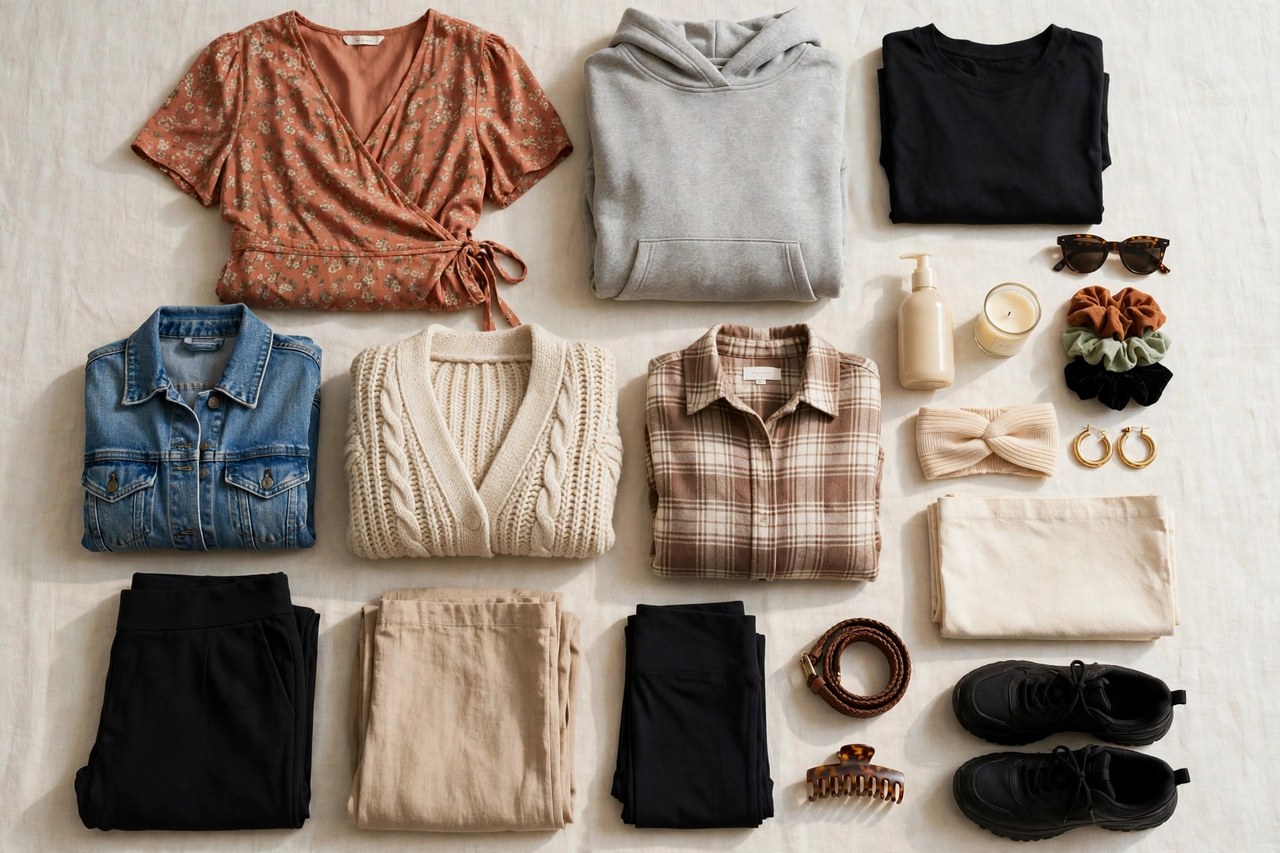
Apparel means clothing in general, and plus size apparel means clothing of every kind patterned for women who wear sizes 14W and up, including 1X to 5X and extended sizes beyond. The defining point is proportion. A fuller body is not a smaller body made uniformly larger: bust, waist and hip grow by different amounts, the upper arm, back and midsection need room, and rises, strap widths and necklines must change with them. Good plus apparel is graded with those realities built in.
This umbrella guide explains plus size labels, how plus patterns differ from straight sizes, the main wardrobe categories and the measurements that make buying reliable. Individual guides in this section go deep on jeans, dresses, coats, swimwear and more. Everything here rests on one practice: buy by your largest relevant measurement and by construction, and treat any range that stops at a token size or grades poorly as the wrong range, no matter how attractive the photograph looks.
Plus Sizing: W Sizes, X Sizes and Grading
Two labeling systems dominate. W sizes, such as 14W, 18W, 24W and 30W, are numeric sizes cut on a plus pattern with more room through the waist, hip and bust than the same number in misses sizing. X sizes, such as 1X, 2X and 3X, group ranges of numeric sizes and are common in knits and casual apparel. Neither system is perfectly standardized between brands, so a 2X in one label may equal an 18W or a 22W in another. Charts, not memory, decide.
Grading is how a pattern grows between sizes. Sound plus grading adds more to the hip and bust than to the neck and shoulder, lengthens the rise, widens sleeves for the upper arm, repositions darts and pockets, and strengthens closures. Poor grading simply enlarges everything, producing huge necklines, dropped shoulders and cartoon proportions. Signs of a true plus block include bust darts or princess seams placed for a fuller bust, contoured waistbands, back waist shaping and size ranges modeled and fit-tested on plus bodies.
The Main Plus Size Apparel Categories
Bottoms show grading most clearly: pants, jeans and skirts need hip room without waist gaping, longer rises and pockets that stay on the seat. Dresses need bust support, waist placement at the true waist and skirts that clear the hip without pulling. Tops and blouses need bust room, upper-arm ease and lengths that cover the midsection as intended. Tailoring and outerwear need shoulder and back room, buttons that close without strain and sleeves that bend comfortably.
Knitwear, activewear, swimwear, sleepwear and intimate apparel each adapt the same principles, with stretch, support and coverage tuned by category. Availability has widened greatly, but depth varies: some brands offer full plus ranges in every category, others only in core pieces. When a category lacks a true plus option, prioritize construction that can be altered, plain hems, movable buttons, generous seam allowances and fabrics with recovery, and avoid styles whose fit depends on exact placement of fixed details.
Measurements and Fabrics That Work for Curves
Keep four current measurements ready: bust at the fullest point, natural waist, full hip and upper arm, plus inseam for bottoms and back length for dresses and coats. Measure over the undergarments you normally wear, keep the tape level and snug without compression, and remeasure after significant weight or shape changes. Compare every measurement to the brand chart and order for the largest one, altering smaller areas down. Between sizes in a structured garment, the larger size almost always tailors better.
Fabrics with a small amount of elastane, one to five percent in wovens and more in knits, help apparel follow curves and recover through a day of sitting and movement. Ponte, stretch twill, denim with recovery, matte jersey and crepe with stretch are plus wardrobe workhorses. Very stiff fabrics need precise fit to be comfortable, while very thin, high-stretch fabrics can cling and show every underlayer. Lining, interfacing and seam finishing decide whether a garment smooths and supports or merely covers, so inspect inside construction when you can.
Building a Plus Size Wardrobe and Buying Tips
Build in order of fit difficulty. Start with bottoms and structured dresses, where plus grading saves the most frustration, then jackets and coats, then tops, knitwear and casual pieces where stretch is forgiving. Anchor the wardrobe in well-fitting core colors and silhouettes that skim rather than squeeze, Empire, wrap, A-line, straight and softly shaped, then add print, color and trend pieces that use the same proven proportions. A smaller wardrobe that truly fits beats a large one held together by compromises.
Budget for minor tailoring even in good plus ranges, a hem, a taken-in waist or a moved button is normal fitting, and refuse the major reconstructions that signal the wrong block. Read reviews from plus size buyers for real notes on bust room, hip fit and fabric opacity, and favor retailers with honest size charts, plus models in multiple sizes and fair returns. Shopped by measurement and construction, plus size apparel stops being a limited department and becomes simply your clothing, in every category.
Related Women's Guides
Looking for Women's Clothing Stores?
This guide helps you choose women's plus size apparel. To browse where to buy, visit our women's clothing store directory, where you can find retailers that carry them.