Fashion Writer Job Description
Reporting and writing about fashion — shows, collections, people and the business behind the clothes
A fashion writer produces the articles a publication's readers actually read: reports of shows and collections, profiles of designers, explanations of trends, shopping and service pieces, and news of the business behind the clothes. The work is reporting first and writing second — gathering accurate material through attendance, interviews and research, then shaping it into clear, engaging copy of a set length, to a deadline, for an editor. Fashion writers work on staff at magazines, newspapers and websites, and as freelancers supplying several titles, covering everything from a single runway show to the economics of a retail group.
More Miscellaneous Job Descriptions by Letter:
What a Fashion Writer Does
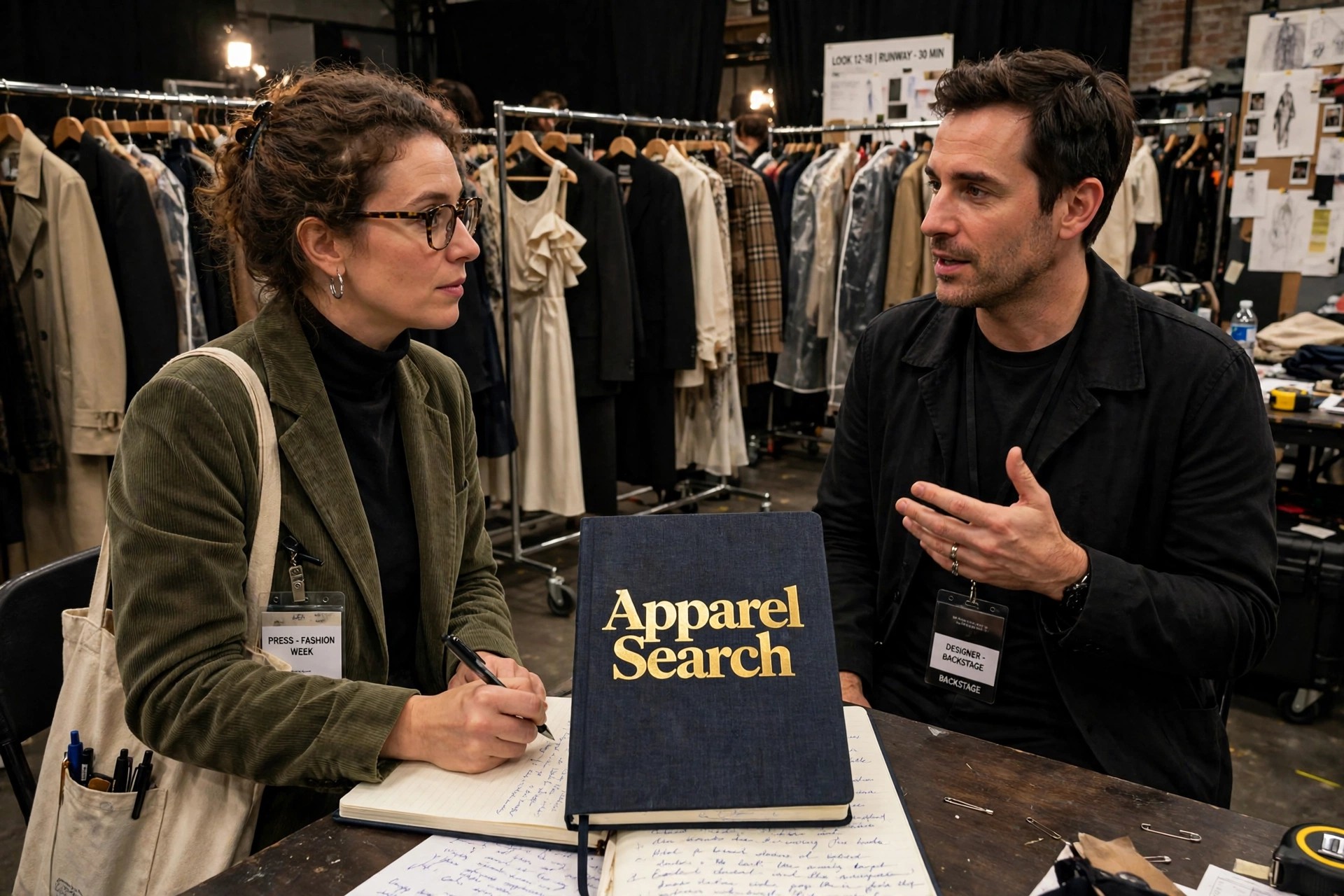
Reporting is the foundation of the week. A fashion writer attends shows, presentations and press days, notes collections garment by garment, interviews designers about what they made and why, and talks to retailers, stylists and wearers to test whether a claimed trend exists outside the showroom. News writing follows the industry's daily movement — appointments, openings, results, collaborations — verified against more than one source, because fashion runs on rumour and a writer who repeats it unchecked becomes part of the problem their publication exists to filter.
Writing turns that material into the forms editors commission: show reports filed within hours, features researched over weeks, profiles built from interviews, service pieces that answer a reader's practical question about dressing, and commercial copy about products that must be accurate to the last price and fibre. Research underpins all of it — archives for a designer's earlier work, company reports for a business claim, a phone call to check a date or a name's spelling. The glamour of the front row is a small fraction of a job that mostly happens at a desk, on the phone and in the notes.
Deadlines, Accuracy and Working With Editors
A fashion writer works inside an editorial machine. Assignments arrive with an angle, a length and a deadline; drafts go to an editor who will cut, query and sometimes restructure them; corrections and updates follow publication when facts move. Meeting that rhythm reliably is a core professional skill, distinct from writing talent: fashion weeks compress dozens of stories into days, digital titles publish continuously, and the writer who files clean, complete, on-length copy on time becomes the writer editors commission again.
Accuracy carries legal and commercial weight. Names, titles, prices, dates and quotations must be right; claims about companies and people must be supportable; images and samples pass through the writer's hands under rules about credit and return. Writers also learn the commercial boundaries of the craft — the difference between editorial judgement and advertising, and how gifted products and trips are disclosed — because a byline's credibility is the publication's product, and the writer is its first guardian on every story.
Skills and Abilities the Role Requires
Writing ability is the obvious requirement, and it is specific: clarity before flourish, structure that puts the point where the reader needs it, a vocabulary for garments, fabrics and construction precise enough to describe a collection usefully, and the discipline to cut beloved sentences that do not serve the piece. Interviewing is its partner skill — questions prepared from research, listening that hears the answer behind the answer, and notes complete enough to write from a week later.
Fashion knowledge and curiosity sustain the career. Writers need the industry's map in their heads — houses and their creative directors, retail structures, fashion history, the calendar of shows and seasons — and the habit of refreshing it daily. Digital titles add practical demands: writing headlines and copy that search and social audiences can find, working with images and data, and updating stories as they develop. Reliability, speed and a thick skin for editing complete a profile in which temperament matters almost as much as talent.
Qualifications, Training and Career Path
Most fashion writers hold a degree in journalism, English, fashion communication or a related subject, and many complete journalism training covering media law, shorthand or recording practice, and newsroom standards. Entry comes through editorial assistant and junior writer posts, internships and placements, and freelance pitches — small commissions executed perfectly are the standard audition, and a portfolio of published clips is the qualification editors actually read, whatever the CV says.
Careers deepen before they rise: staff writers become senior writers and correspondents with territories of their own, specialise in business, beauty-adjacent or menswear coverage, or move toward the editor's desk, where commissioning replaces writing as the main work. Others build freelance careers across titles, books and brand content. The common thread is accumulated authority — a fashion writer's value compounds with every season correctly observed and clearly explained, until their explanation itself is what readers come for.
Common Questions
What does a fashion writer do?
A fashion writer reports and writes articles about fashion — show and collection reports, designer profiles, trend and service features, and industry news — gathering material through attendance, interviews and research, and filing accurate copy to an editor's deadline.
Is fashion writing a good entry point into journalism?
Yes. Editorial assistant and junior writer posts, internships and small freelance commissions are established entry routes, and published clips build the portfolio that wins staff jobs. The competition is strong, so reliability and accuracy are what separate beginners.
What is the difference between a fashion writer and a fashion columnist?
A writer reports and explains, working to an editor's assignment; a columnist expresses a personal, argued opinion under their own name on a regular schedule. Writers inform the reader; columnists persuade them.