Sales — Plus Size Apparel Job Description
Selling plus size clothing ranges to retailers — fit, extended size curves and a department that rewards specialists
Plus size apparel sales is the wholesale work of representing clothing ranges made in extended sizes — principally womenswear cut and graded beyond standard size ranges — and selling them to the retailers who serve that substantial share of shoppers. It is a specialist's market. The garments look like any other fashion range, but the selling knowledge underneath is specific: how patterns are graded up without distorting fit, which size curve a plus department actually sells through, and which retailers have committed real floor space and budget to the category.
More Sales & Selling Job Descriptions by Letter:
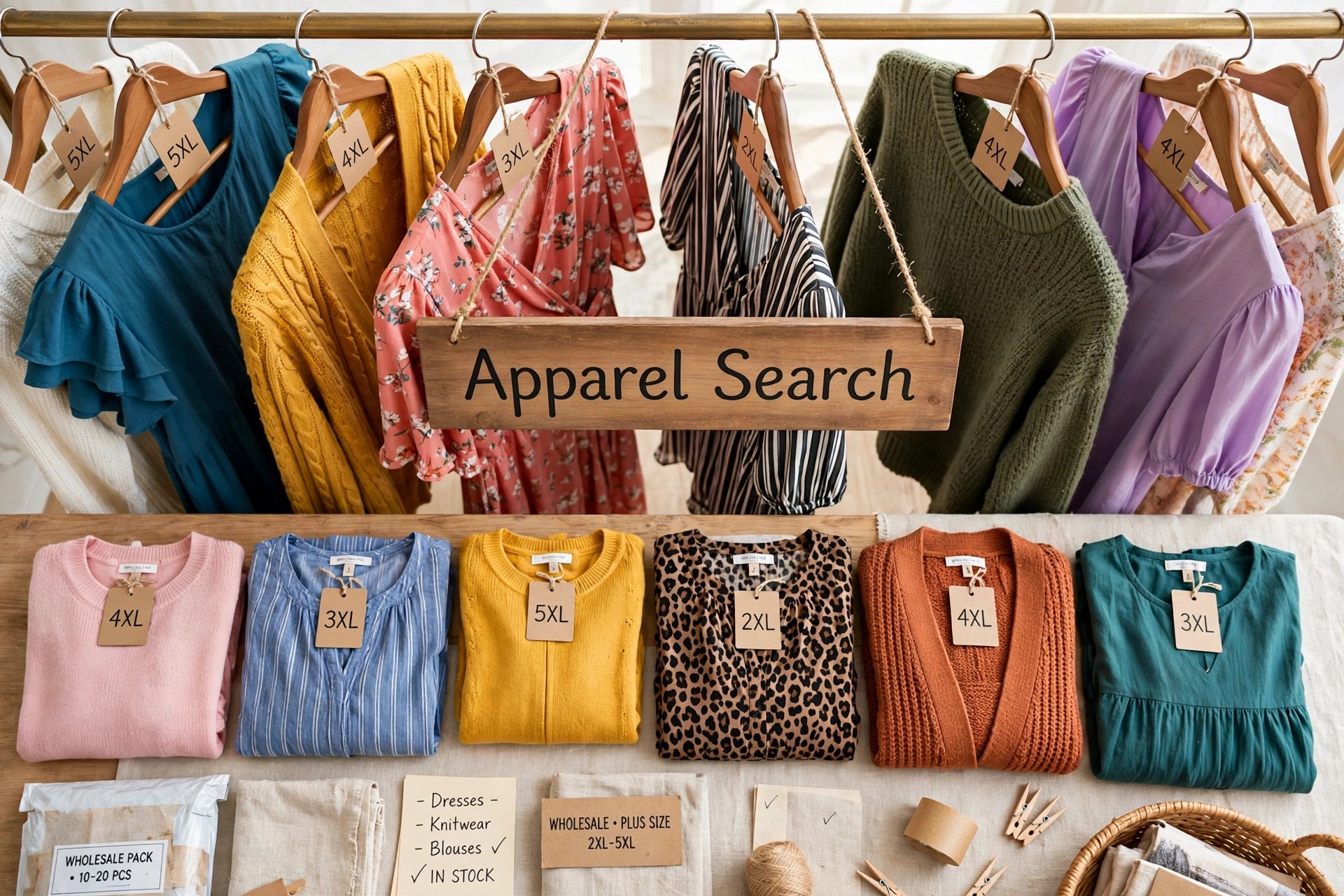
The Range: Fit and Grading Come First
A plus size range is not a standard range photographed larger. Patterns are graded so proportions change correctly with size — armholes, rise, bust and hip shaping, strap widths and hem lengths all need re-engineering, and fabrics need enough substance and stretch behaviour to drape as designed. The salesperson must be able to discuss that construction credibly with buyers, using samples and fit information, because experienced plus-size buyers test a new supplier on exactly those details before they discuss price.
The assortment itself spans the same wardrobe as any womenswear department: dresses, tops, knitwear, denim, tailoring, outerwear and occasion pieces, plus the basics that anchor replenishment. Price architecture matters as much as style. Shoppers in this category have historically been under-served and offered little choice, so a range that brings genuine fashion content — current colours, prints and silhouettes — at fair prices gives the salesperson a story competitors selling only safe basics cannot match.
Size Curves and Stock Planning
Order building in plus sizes turns on the curve: the distribution of units across the size run. Sell-through usually concentrates in the middle of the extended range, with meaningful volume at both ends that a lazy curve misses. The salesperson helps each account set its curve from its own trading history, category by category — dresses curve differently from denim — and argues for depth where the store's customers have repeatedly found empty rails and bought elsewhere.
Fit consistency is the other stock argument. A shopper who trusts a brand's size in one garment returns for others, which makes continuity of blocks and honest size labelling commercially valuable, not just good practice. Salespeople track fit complaints and returns patterns by style and feed them back to the brand's technical team; in this category, a recurring fit fault quietly destroys an account's confidence faster than a late delivery.
Who Buys Plus Size Ranges
The account base has widened steadily. Dedicated plus size retailers and catalogue and online specialists buy the category as their whole business and expect the deepest ranges. Department stores and clothing chains buy it as a department or a branded wall, judged against the performance of their standard ranges. Value retailers buy basics and seasonal highlights in volume. Each channel needs a different presentation: specialists want fashion credibility, chains want curve and margin evidence, online sellers want precise garment measurements and fabric information for their product pages.
Selling well here also means respecting how the category was treated in the past. Many buyers built plus departments against internal indifference, and they recognise quickly whether a salesperson knows the product and its customers or is simply carrying an extra range. Preparation shows: knowing an account's current size offer, spotting the gaps in its price ladder, and arriving with styles that fill them earns the hearing that generic enthusiasm does not.
Skills, Qualifications and Career Path
Employers look for apparel selling experience plus genuine category literacy: grading and fit principles for extended sizes, the size systems used by major markets, fabric behaviour at larger scales, and curve analysis from sales data. Retail experience in a plus size department is a valued route in, because it teaches the customer's expectations first-hand. As everywhere in wholesale selling, order accuracy, follow-through and honest communication decide who keeps accounts.
Progression leads to the category's larger chains and online accounts, to sales management for plus size brands, or sideways into the wider womenswear selling described on the neighbouring pages of this directory. The specialism is also a credible foundation for buying and merchandising roles in the category, where the same fit and curve knowledge is the core expertise.
Working With Specialist Buyers
Plus size buyers are among the most product-literate in the trade, because their departments have been promised representation and delivered basics too often. A salesperson preparing for such a buyer brings evidence rather than adjectives: fit notes from the pattern room, the size breakdown of last season's bestsellers, returns percentages by style, and a clear statement of which sizes each delivery will actually contain. Presentations also respect the shopper behind the order — these ranges are bought for women who want the same fashion choices as any other customer, and a range or a pitch that treats the category as an afterthought is recognised instantly and remembered at the next appointment.
Common Questions
What does a plus size apparel salesperson sell?
Wholesale clothing ranges made in extended sizes — principally womenswear dresses, tops, knitwear, denim, tailoring and basics — presented to specialist retailers, department stores, chains and online sellers, with fit, grading and size-curve advice.
Why is plus size selling a specialism?
Because the product knowledge differs: patterns must be graded and engineered for fit at extended sizes, size curves concentrate differently, and the committed buyers expect a salesperson who understands their department's history and customers.
What experience helps in plus size sales?
Wholesale apparel selling, retail experience in a plus size department, and working knowledge of fit, grading, fabrics and size-curve planning. Buyers promote suppliers whose fit stays consistent season after season.