Sales — Womenswear Job Description
Selling womenswear as an occupation — the seasonal fashion cycle, fast range turnover and the market-week rhythm
Womenswear is the largest and fastest-moving part of most fashion businesses, and selling it wholesale is an occupation shaped by that speed. This page treats sales of womenswear as a job in itself: the seasonal cycle that dictates the calendar, the market weeks where most orders are written, and the in-season trading — drops, reorders, cancellations — that decides whether a season ends in profit. The companion Womenswear Sales page filed under W approaches the same product world from its categories and retail channels; here the lens is the rhythm of the selling year and the skills that rhythm demands.
More Sales & Selling Job Descriptions by Letter:
The Seasonal Cycle Runs the Job
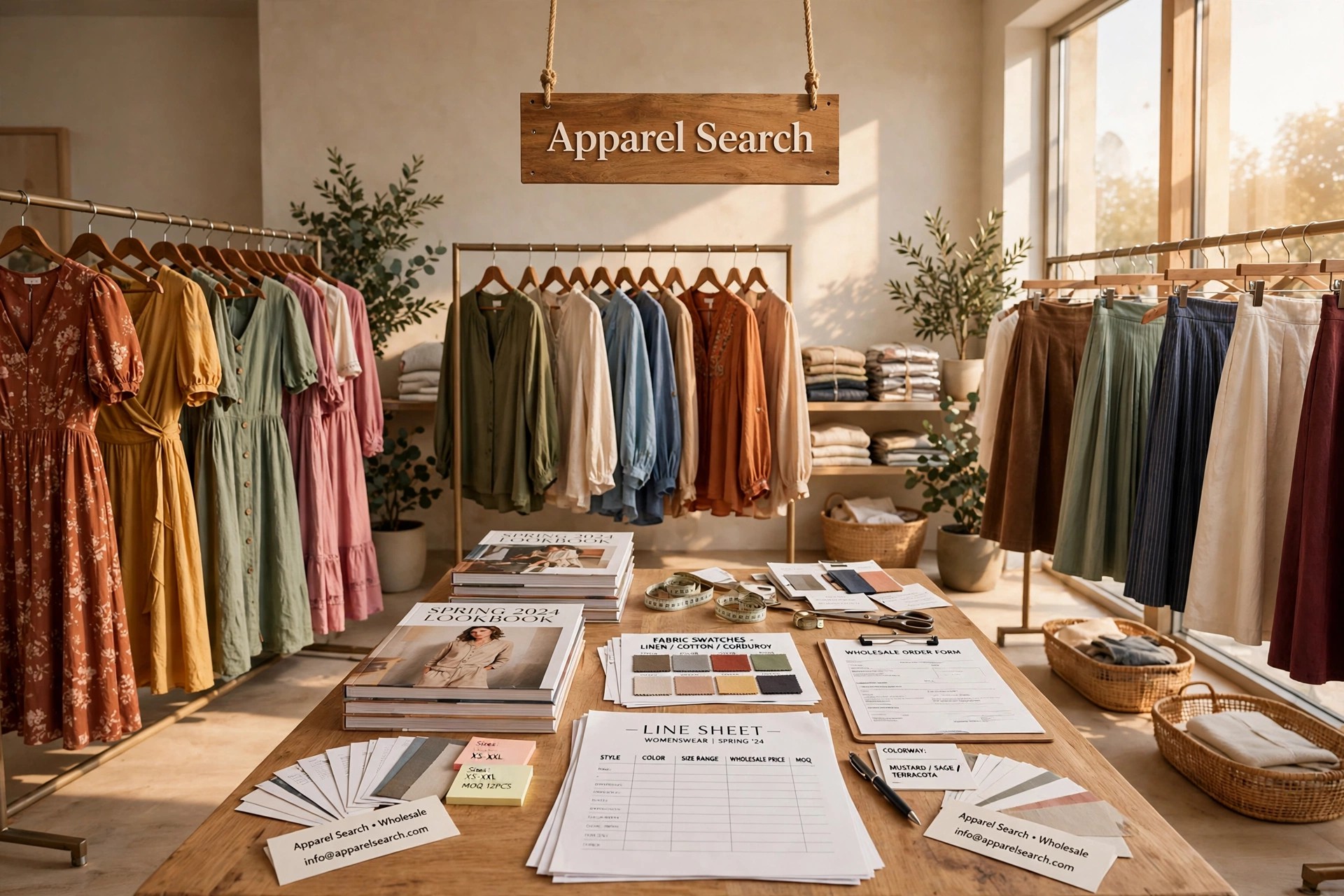
A womenswear salesperson works several seasons at once. While this season's dresses are delivering to stores, next season's range is being sampled and priced, and the season after that is already being discussed with designers. Main collections are still anchored to spring and autumn, but most brands now add mid-season drops, holiday ranges and transitional capsules, so the calendar has become a rolling programme of smaller deadlines rather than two big ones. Missing a buyer's budget window by a fortnight can mean missing the season entirely.
That pace dictates preparation. Ranges must be learned quickly and forgotten gracefully: style numbers, fabric compositions, colourways, size ratios and delivery weeks for hundreds of pieces, held accurately for the weeks buyers are deciding, then replaced by the next collection. Salespeople who thrive keep disciplined notes and sample rails organised by delivery drop, so a buyer planning her floor month by month can see the story arrive in the right order.
Market Weeks and the Appointment Craft
Market weeks concentrate the season. Buyers travel between showrooms on tight schedules, often seeing a dozen ranges a day, and the salesperson's craft is to make one hour do the work of three: the rail edited to the styles relevant to that store, bestsellers and new directions clearly separated, prices and margins ready without fumbling, and an honest view of which pieces need a fashion-forward customer and which will sell anywhere. Order minimums, exclusivity requests and delivery splits are negotiated in the same hour.
The writing of the order is only the midpoint. Confirmations must match what was agreed, production problems must be telephoned through before the buyer hears them elsewhere, and substitutions — a dropped fabric, a moved delivery — need solutions offered, not just news delivered. In a category where a buyer can switch budget to a competitor next season without ceremony, the salesperson's conduct between appointments is what converts one season's order into a standing account.
In-Season Trading: Drops, Reorders and Sell-Through
Womenswear sells or fails in weeks, not months. Once deliveries land, the salesperson reads sell-through with the buyer: which dresses moved at full price, which colours stalled, where sizes broke. Winners need reorders while fabric and production capacity still exist — speed is the whole game, and a reorder offered a month late is a history lesson. Losers need early, honest conversations about exchanges, markdown support or moving units to a channel where they fit better.
This trading evidence is also the brand's market research. Salespeople report which competitor pieces are working, what price points are resisting, and which trends customers are actually buying rather than merely wearing in photographs. That intelligence feeds the next range while it can still be changed. Few wholesale roles sit closer to real demand signals, which is why experienced womenswear sellers are often recruited into buying and merchandising.
Skills, Qualifications and Career Path
Employers ask for womenswear selling experience or strong retail womenswear backgrounds, a genuine feel for product — fabric, fit and silhouette across dresses, separates, knitwear and tailoring — and the organisational stamina for market weeks. Numeracy means margin and sell-through fluency; temperament means staying gracious in the tenth appointment of a day and precise in the paperwork after it. Knowledge of size ratios and fit behaviour across a size range is expected at any serious level.
Progression runs to larger and more fashion-led accounts, to key-account responsibility for department store groups, and into womenswear sales management. Others move brand-side into range planning or across to buying. Readers who want the product-channel map of this world — which categories sell where — will find it on the Womenswear Sales page under W; this page's subject is the occupation that works that map, season after season.
Relationships at Fashion Speed
Everything in womenswear moves quickly except trust, which accumulates at the usual human pace. A buyer may forgive a failed style — fashion is risk by definition — but not a salesperson who oversold it against her judgement, hid a delivery problem until her floor gaped, or claimed exclusivity that a rival store two streets away also received. The sellers who last in this category develop a reputation for calibration: enthusiastic about genuine winners, candid about gambles, precise about dates. That reputation is portable between brands, which is why good womenswear salespeople are headhunted and why their address books, honestly built, are the real asset they carry from job to job.
Common Questions
What makes womenswear selling different from other fashion sales?
Speed and seasonality. Ranges turn over several times a year with mid-season drops, most orders are written in concentrated market weeks, and in-season reorders on fast sellers must be offered within weeks while production is still possible.
How is this page different from Womenswear Sales under W?
The W page maps womenswear selling by product categories and retail channels. This page describes the occupation itself — the seasonal cycle, market-week appointment craft and in-season trading that a womenswear salesperson lives by.
What background suits womenswear wholesale selling?
Retail womenswear experience or wholesale showroom work, strong product knowledge across dresses, separates and knitwear, sell-through and margin numeracy, and the organisation to run market weeks without paperwork errors.