Graduate Fashion Week — July 2011
A Mudpie trend report from July 2011 — Graduate Fashion Week collections and new-designer trends, kept as the historical record.
This page holds a Mudpie trend report from July 2011, covering Graduate Fashion Week collections and new-designer trends. Mudpie, through its Mpdclick service, supplied Apparel Search readers with fast fashion reports, trend books and retail intelligence for buyers, recruiters and fashion followers, and the report text below is kept as the historical record of what was forecast and observed at that date. Read it as a snapshot of its season: the garments, colors and styling directions it names were the live commercial questions of July 2011, and many of them still repay study because fashion cycles bring silhouettes and themes back around.
Working with a dated report takes a little care. Use it to understand how a trend was merchandised when it was new, which stores and runways were driving it, and how forecasters expected it to reach the high street — then compare that arc with what is selling now. Buyers use older reports to judge how long a direction lasted; designers use them as vintage research; students use them to see professional forecasting written at the time, rather than rewritten with hindsight.
How This Report Was Used
When this report was published in July 2011, its readers were planning ranges, booking fabric and briefing store teams. A fast fashion report of this kind was written to be acted on within weeks: it named the look, pointed to the runway, street and celebrity evidence behind it, and suggested how to translate it into garments that could be produced quickly and sold at high-street prices. The photographs carried with the report — runway, product, street and inspiration images — were part of that evidence, and they are kept in the Photos section below.
Mudpie supported its reports with a wider service: trend, graphic, print, pattern and color forecasting books each season, and the Mpdclick online library, which gave subscribers creative inspiration, market research and usable resources around the clock. The company described its experience as eighteen years across the adult, youth and children's markets, working to help busy professionals deliver on-trend garments, colors and graphics within the shortest possible time frame — exactly the pressure that makes a concise, photograph-led report like this one valuable.
Reading a July 2011 Forecast Today
Three habits make a historical forecast genuinely useful rather than merely nostalgic. First, separate the silhouette from the styling: cuts and proportions tend to return, while the exact accessories and hair of a season date fastest. Second, note the commercial logic — which price levels and store types the report aimed at — because that logic explains why some runway ideas were simplified before they reached the rail. Third, track the language: the words a report uses for Graduate Fashion Week collections and new-designer trends show how the trade framed the idea for buyers, and those frames often outlast the garments themselves.
For current seasons, pair this report with the forecasting guides and color trend resources linked below. The method has not changed — observe the runways and the street, check retail early, and commit while the evidence is fresh — even though the services and tools have. That continuity is why Apparel Search keeps these reports available: they document, season by season, how the industry saw its own near future.
One more detail is worth recording for anyone citing this report in research or range planning: its subject, Graduate Fashion Week collections and new-designer trends, sat inside a much wider conversation that July 2011 readers would have taken for granted — the state of the high street, the speed of fast fashion deliveries, and the growing habit of checking street photography alongside the runways. Keeping that context in mind stops a modern reader from treating any single recommendation as the whole story of its season, and it is also what makes comparing this report with its neighbours in the 2008–2011 series so instructive: the shared background stays constant while the individual trend calls change, so the forecasters' judgement — not just the fashion — is what ends up on display.
Geography is the last lens to apply. A report written for buyers, recruiters and fashion followers reflects the stores, weather and price architecture of its home market, and a direction that was right for London or New York in July 2011 might have needed adjusting for another climate or another high street. Noting where a report was aimed — and where its photographs were taken — turns a general impression of a season into evidence you can weigh properly, which is the difference between quoting a forecast and using one.
The Report
Mudpie Fashion Trends Fashion Trends Fashion Forecasting Services Fashion Color Trend Forecasting Services Fashion Trend News Fashion Week News Fashion Week Fashion Shows Fashion Week Photos
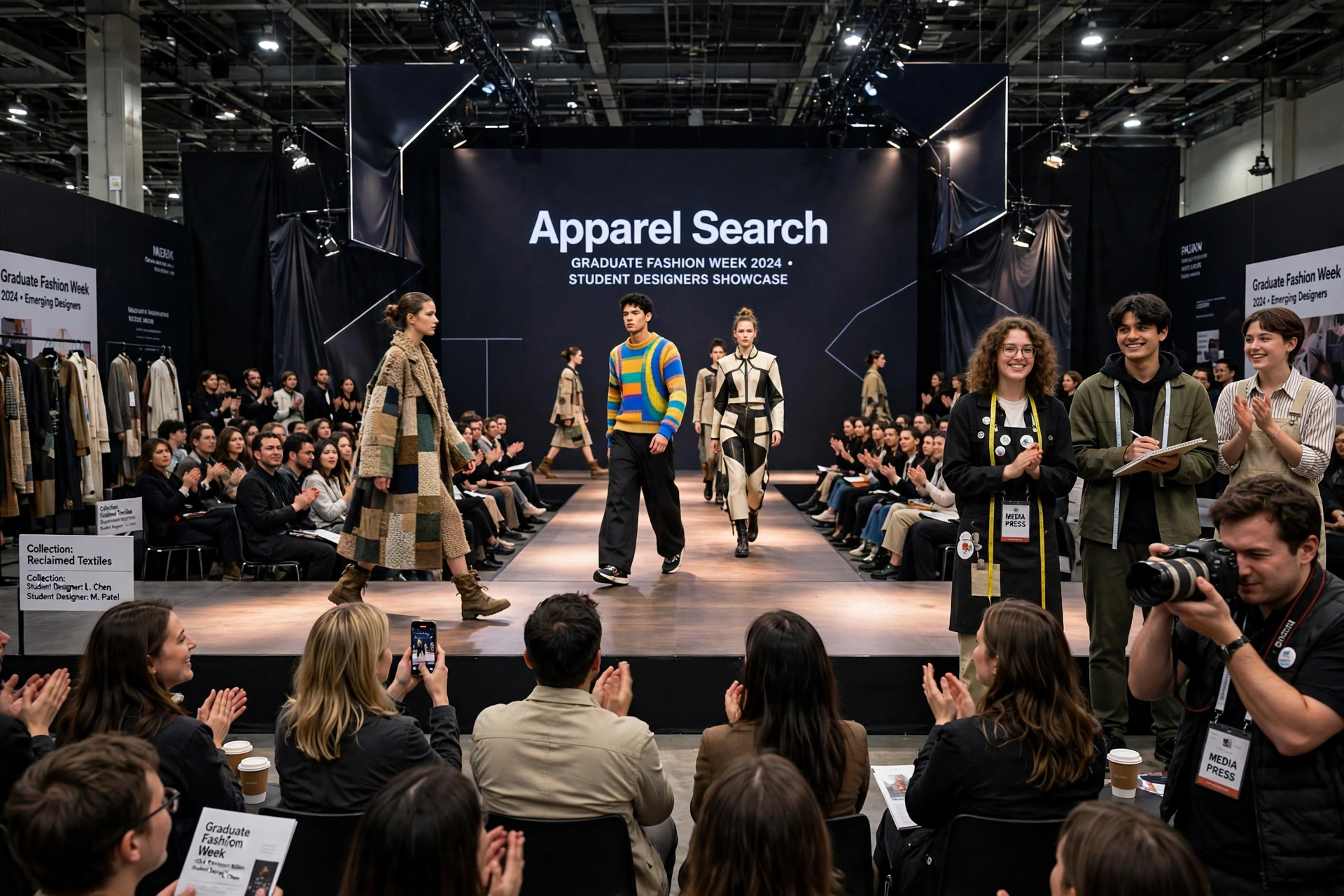
As we prepare for the spring/summer 12 ready-to-wear season to commence we wet our appetites with the various annual graduate events that introduce a fresh batch of talent to the fashion industry. Graduate Fashion Week brings together the UK's BA students at the vast Earls Court venue with a static exhibition and a packed schedule of runway shows. We were in attendance for the grand gala day and were astounded by the commercial sensibilities of 2011's, industry aware graduates. Understated and viable looks refreshed the runways yet retained the creative excitement that makes graduate collections so special. Gold Award winner Rory Langdon's accomplished knitwear collection pushed a sleek silhouette and a cool industrial look, highlighted through metallic embellishments, exposed zips and cinch clip straps. A blend of reptilian prints, chunky cable knits and corsetry earned Dominique Kral the Zandra Rhodes Catwalk Textile Award while understated tailoring with a romantic sense of history bagged the Menswear award for Felix Chabluk Smith.
The Graduates and visitors proved just as creative with their own ensembles sporting a host of inspiration looks playing with volume, matt and shine combinations and customized finishes.
Request a free trial online at mpdclick.com or ask your nearest agent to set one up for you.
At Mudpie they appreciate the demands made on busy professionals working in the fashion and creative industries. With eighteen years experience in the adult, youth and children's markets, they have developed a range of fashion services to help you deliver 'on-trend' garments, colors and graphics within the shortest possible time frame.
Mpdclick is a leading commercial online fashion trend forecasting service. Mpdclick offers the fashion industry designer, buyer and executive the global creative inspiration and consumer intelligence needed to succeed. A subscription to mpdclick.com keeps you informed of rapidly changing fashion and consumer trends and provides creative inspiration, market research and a library of usable resources, 24 hours a day.
Trend Books : Their six leading trend, graphic, print, pattern and color forecasting books provide the busy professional with hundreds of inspirational and practical garment and accessory styles, prints, and graphics every season.
Photos


Common Questions
What is this July 2011 Mudpie report about?
It is a Mudpie fast fashion trend report covering Graduate Fashion Week collections and new-designer trends, published for buyers, recruiters and fashion followers. Its text and photographs are kept as the historical record of the forecast as it was issued in July 2011.
Who produced these trend reports?
Mudpie produced the reports through Mpdclick, its online fashion trend forecasting service, alongside seasonal trend, graphic, print, pattern and color forecasting books for the fashion and creative industries.
How should I use a forecast from this period?
Use it as dated evidence: study the silhouettes, colors and merchandising logic it recommends, compare its arc with later seasons, and treat it as research and vintage inspiration rather than as a statement of what is in fashion now.