Lacoste History
Earlier company descriptions, brand line-ups, store counts and photographs from the history of Lacoste, kept for historical reference.
← Back to the current Lacoste profile
The Company Description of Its Time
Lacoste files itself as a high-end apparel company founded in 1933 that sells high-end clothing, footwear, perfume, leather goods, watches and eyewear - and, most famously, tennis shirts. The company is most commonly recognised by its green crocodile logo. Rene Lacoste founded La Chemise Lacoste in 1933 with Andre Gillier, the owner and president of the largest French knitwear manufacturing firm at the time. They began to produce the revolutionary tennis shirt Lacoste had designed and worn on the tennis courts, with the crocodile logo embroidered on the chest. The founding pairing is the profile in miniature: a champion who designed the garment he wanted to play in, joined to the knitwear manufacturer who could actually make it at scale.
Colour, America, and the Izod Years
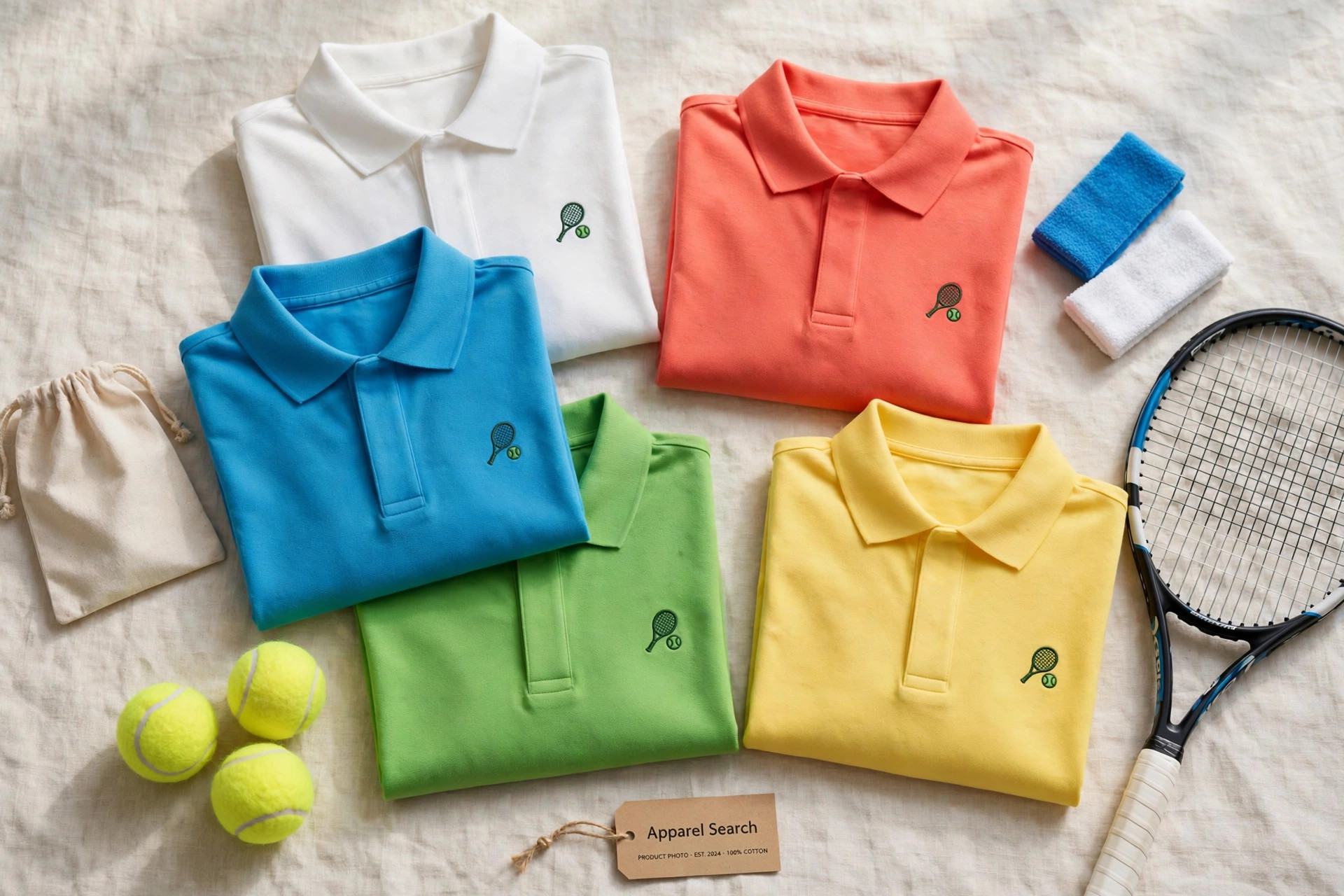
Expansion, in the filing, began with colour. In 1951 the company branched out from 'tennis white' and introduced colour shirts, and in 1952 the shirts were exported to the United States and advertised as 'the status symbol of the competent sportsman,' influencing the clothing choices of the upper class; the profile adds that it remains one of the most popular brands in the United States, sporting the preppy wardrobe. In the early 1950s Bernard Lacoste teamed up with David Crystal, who owned Izod, to produce Izod Lacoste clothing. In the 1970s and 1980s it was extremely popular with teenagers, who called the shirts simply Izod - the partner's name doing the talking in the American market while the crocodile did the recognising.
The union's end is told just as plainly. While the union was both profitable and popular, Izod Lacoste's parent company, David Crystal Co., was saddled with debt from other business ventures; when attempts to separate Izod and Lacoste to create revenue did not alleviate the debt, Crystal sold his half of Lacoste back to the French and Izod was sold to Van Heusen. The lesson the filing preserves is a brand-management one: a licensing and partnership structure can make a shirt ubiquitous while quietly separating the name from the house that owns it, and untangling that structure - not designing a better shirt - becomes the company's central problem.
Brand Control Regained, and the Documents Kept Here
The recovery paragraph is dated 2000. Starting in 2000, with the hiring of a new fashion designer, Christophe Lemaire, Lacoste began to take over control of its brand name and logo, reining in their branding arrangements, and the filing concludes that Lacoste has once again returned to the elite status it held before a brand management crisis circa 1990. This rebuild records that arc exactly as recorded - founding, expansion, partnership, debt, separation, regained control - without adding later ownership or sales claims the historical record does not make.
Two documents kept on the historical record page deserve naming on this page, because they are the deepest Lacoste sources Apparel Search carries: the Lacoste History between 1933 and 2011 and the Lacoste Press Kit 2011 about Lacoste, both linked in the References below exactly as the historical record linked them. The other routes are the polo routes - men's, women's and kids' polo shirt guides - and the Lacoste brand pages for men, women and children in the Clothes Guide. Use this profile for the founding, the crocodile's embroidered debut, the 1951 colour move, the 1952 American export and slogan, the Izod partnership and its ending, and the post-2000 recovery; for current collections, the official Lacoste website in the References is the authority.
Photos

More to Explore on Apparel Search
- Fashion Companies
- Fashion
- Apparel
- Clothing
- Men's Polo Shirts
- Women's Polo Shirts
- Kids Polo shirts
- Bloomingdales
- Lacoste Men's Fashion Brand
- Lacoste Women's Fashion Brand
- Children's Lacoste Fashion Brand
- Lacoste History between 1933 and 2011
- Lacoste Press Kit 2011
- Lacoste Brand for Women
- fashion companies on facebook
- Fashion Industry
- Fashion Schools
- Fashion News
- Fashion Jobs
Fashion Company Names by Letter: Fashion Companies L
References & Further Reading
Looking for More Fashion Companies?
This profile is one filing in the Apparel Search company names directory. Browse the full A-to-Z listing on the Fashion Company Names directory, or shop by category in the Apparel Search shopping directory.