Women's Camo Underwear Guide
Everyday basics with a bit of personality — choosing cuts, fabrics, and multipacks that stay comfortable wash after wash.
Shop Women's Camo Underwear Now
Shop Women's Camo Underwear on Amazon Shop Women's Camo Underwear on eBayThe Amazon and eBay links on this page are affiliate links. If you make a purchase through them, Apparel Search may earn a commission.
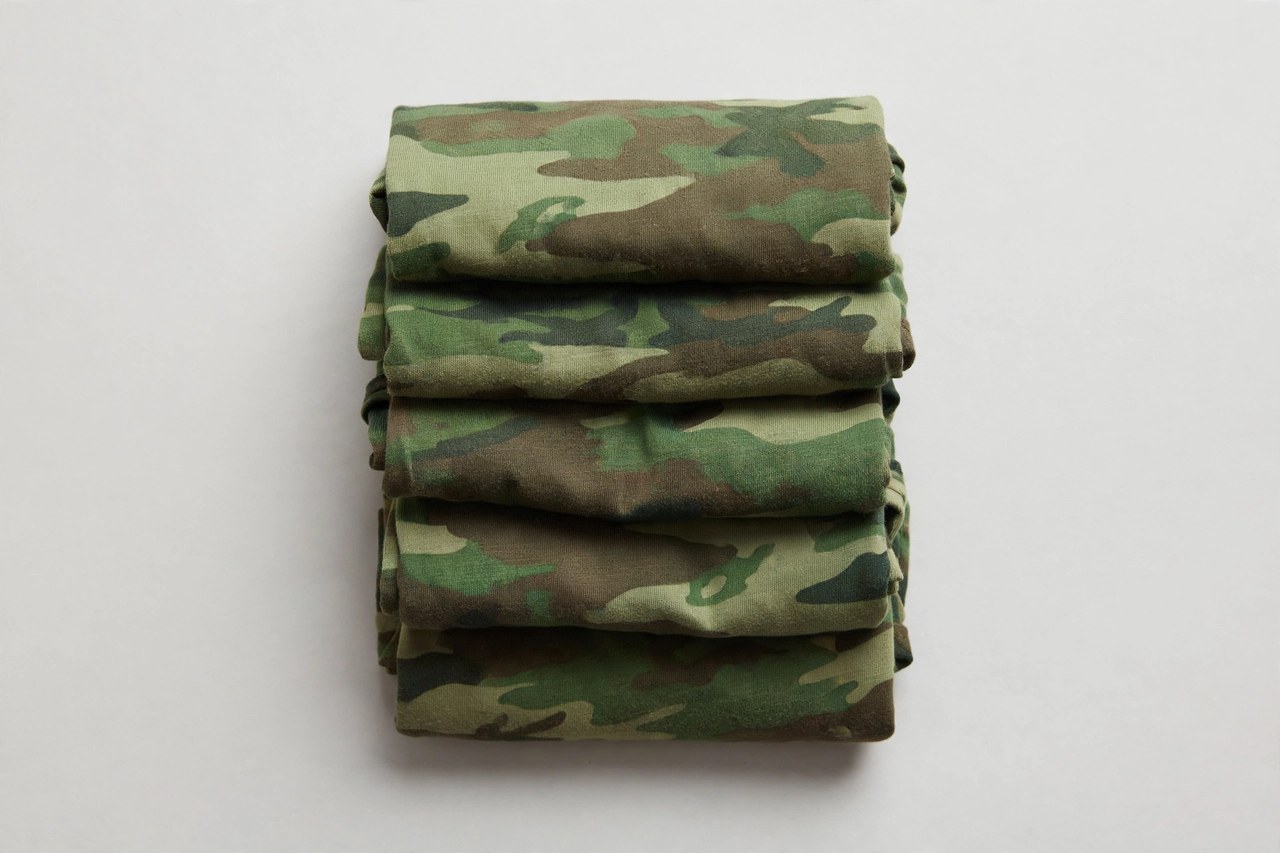
Camo underwear is an everyday basic that happens to come in a camouflage print. The print is the fun part, but it is not the part that decides whether you will like wearing it. Cut, fabric, waistband, and leg elastic do that work, quietly, all day long. This guide treats camo underwear strictly as a product: which cuts suit which clothes and preferences, which fabrics breathe and which stretch, how to judge fit without guesswork, and how multipacks can be good value or a false economy. Because underwear is bought in multiples and replaced regularly, small quality differences add up quickly. A pair that keeps its shape, stays in place, and survives weekly washing without the elastic giving up is worth more than a cheaper pair that twists, rides, or thins within a few months. Use the sections below to build a drawer of basics you do not have to think about after you get dressed.
Cuts: Briefs, Hipsters, Bikinis, and Boyshorts
Classic briefs offer full coverage and a higher waist that sits at or above the natural waistline. Many wearers prefer them under high-rise trousers and skirts and for their secure, stay-put feel. Hipsters sit lower on the hip with wide side panels and moderate coverage, pairing well with mid-rise and low-rise bottoms while still feeling substantial. Bikinis sit low with narrower sides and higher-cut legs, a common everyday choice under jeans and fitted clothes. Boyshorts extend down the upper thigh with a short-leg cut, giving full coverage and a smooth line under skirts and dresses, and reducing chafing for some wearers. High-cut briefs combine a higher waist with a higher leg opening, lengthening the leg line while keeping back coverage. There is no single best cut; most drawers work best with two cuts that cover your main outfits. If a cut constantly needs adjusting through the day, it is the wrong cut or the wrong size for you, regardless of how popular it is.
Fabrics: Cotton, Stretch Blends, and Microfiber
Cotton remains the everyday standard because it breathes, feels soft, and tolerates frequent washing. A cotton gusset is worth looking for even in pairs made mainly from other fibers. Cotton with a small percentage of elastane keeps its shape better than pure cotton, which can relax and bag slightly by the end of a long day. Microfiber, usually nylon or polyester with stretch, feels smooth and light, shows less under fitted clothing, and dries quickly, which makes it practical for travel and sports days, though some wearers find it less breathable in hot weather. Modal blends feel exceptionally soft and smooth and hold color well, at a higher price. Lace-trimmed camo styles exist for those who want the print with a dressier finish, but for daily basics, flat elastic and smooth seams are usually the more comfortable choice. Whatever the outer fabric, check that seams are flat, the waistband is soft rather than wiry, and the leg elastic is firm enough to stay in place without leaving deep marks.
Fit: Sizing Without Guesswork
Underwear fit is judged by three things: the waistband, the coverage, and the leg opening. The waistband should stay in place when you bend, sit, and walk, without rolling down or digging in. If it rolls, try a wider band or a higher rise rather than simply a larger size. Coverage should feel secure at the back when you sit and climb stairs; fabric that shifts constantly usually means the size is too small or the cut does not match your shape. Leg elastics should lie flat and stay put without creeping. Because sizing varies noticeably between brands, use hip measurement, not dress size, when a size chart is offered, and measure at the fullest point while standing relaxed. Between sizes, most wearers are more comfortable sizing up in underwear, since a slightly roomy pair is unnoticeable while a slightly tight pair is distracting all day. Buy a single pair or a small pack first in a new brand or cut, wear and wash it, and only then stock up on the multipack.
Multipacks, Value, and Care
Multipacks are how most camo underwear is sold, and they can be excellent value when the fabric and construction are decent, since the per-pair price drops and you gain a consistent fit across the drawer. They are a poor bargain when the elastic is thin or the fabric is scratchy, because you have multiplied a problem instead of a success. Inspect one pair closely before committing to a large pack: stretch the waistband and let go, and it should snap back flat without rippling. Wash new underwear before first wear. For ongoing care, wash in cool or warm water with similar colors, turn printed pairs inside out to protect the camo colors, and tumble dry low or line dry to protect elastic, since repeated high heat is the main reason waistbands fail early. Replace pairs when elastic no longer recovers, fabric thins, or the fit has permanently changed. Keeping a simple rotation of enough pairs for a full wash cycle means no single pair is washed to exhaustion while the rest sit unworn.
Related Women's Camo Guides
Photos

More to Explore on Apparel Search
- Camo Apparel Guide
- Camo Boots Guide
- Camo Clothing Guide
- Camo Coats Guide
- Camo Fashion Blog
- Camo Fashion Guide
- Camo Hats Guide
- Camo Jackets Guide
- Camo Pants Guide
- Camo Shorts Guide
- Camo Skirts Guide
- Camo Uniforms Guide
- Camo Vest Guide
- Clothes
- Hunting Clothing for Women on eBay
- underwear glossary
- Women's Clothes
- Women's Clothing Stores
- Women's Clothing Wholesalers
- Women's Fashion
- Women's Underwear
Looking for Women's Clothing Stores?
This guide helps you choose women's camo underwear by cut, fabric and fit. To browse where to buy, visit our women's clothing store directory, where you can find retailers that carry them.