Women's Plus Size Activewear Guide
Plus size activewear in 1X to 5X and beyond is built for curves in motion — high supportive waistbands, squat-proof fabrics with real recovery, longer tops and straps that stay placed through a workout.
Shop Women's Plus Size Activewear Now
Shop Women's Plus Size Activewear on Amazon Shop Women's Plus Size Activewear on eBayThe Amazon and eBay links on this page are affiliate links. If you make a purchase through them, Apparel Search may earn a commission.
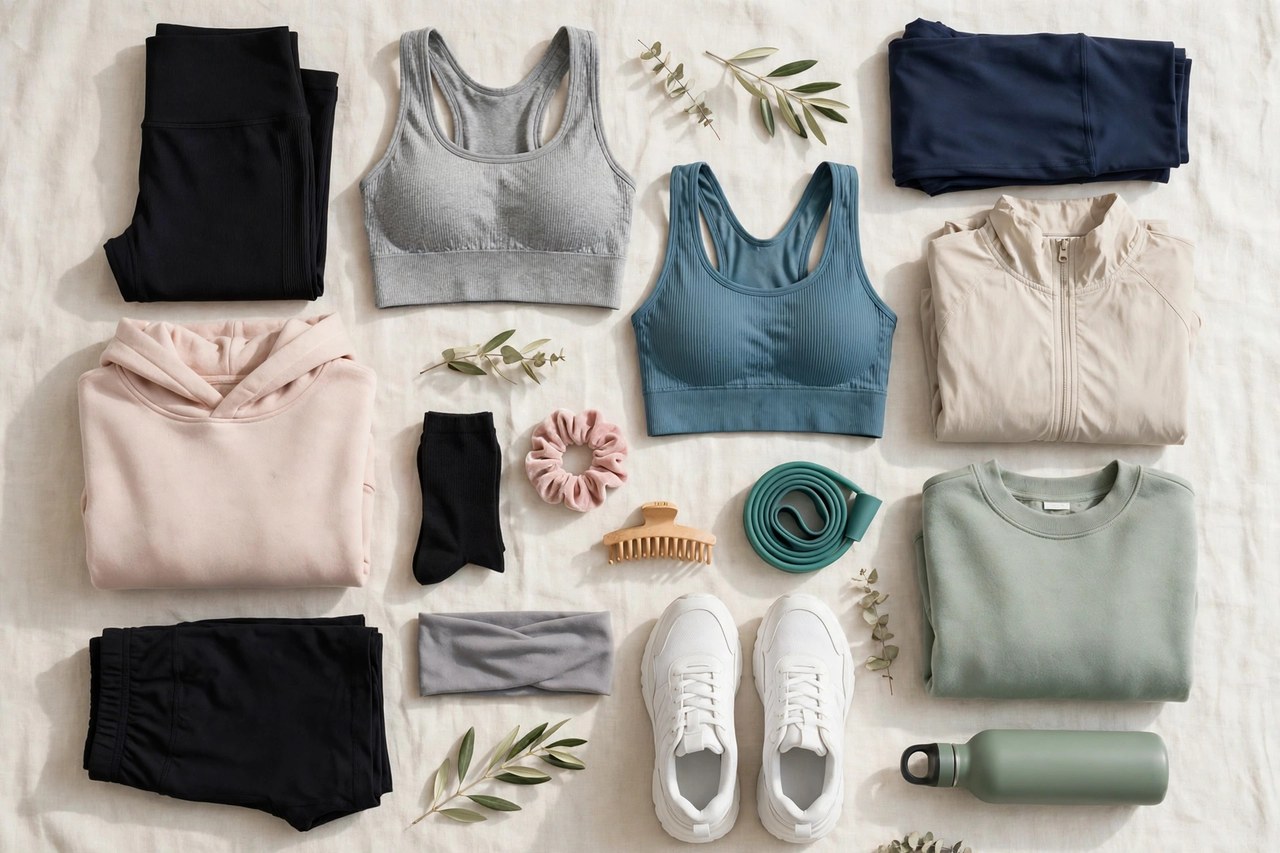
Plus size activewear has to do everything regular activewear does, at larger sizes and under greater demands on fabric and construction. Leggings in 1X to 5X, and in numeric sizes through the twenties and thirties, must stretch over hips and thighs, recover instantly, stay opaque in a squat and hold the waistband up without digging. Tops must cover and support a fuller bust without riding up. When those jobs are done well, the clothing disappears and the workout is the focus.
This guide covers leggings and shorts, tops and jackets, the fabrics and support features to compare, and movement-based fit checks specific to curvier bodies. The key idea is grading: good plus size activewear is patterned on plus bodies, with a higher rise, more hip room relative to the waist, longer top lengths and reinforced seams, rather than a smaller pattern enlarged until the proportions distort and the compression lands in the wrong places.
Leggings, Tights and Workout Shorts
The waistband decides whether plus size leggings work. Look for a high rise that reaches the natural waist, a wide waistband of three to five inches, and ideally a double layer or light inner drawcord, so the band distributes pressure, smooths the midsection and resists rolling when you bend, lunge or sit. The front rise should be long enough to feel secure, and the back rise higher still, with a shaped yoke that stays in place over fuller hips and seat through deep movement.
Length and leg shaping matter too. Full, seven-eighths, capri and short styles should end at clean points that do not cut into the calf or thigh, with leg openings that grip gently rather than binding. A gusset at the crotch improves range of motion and seam comfort, and flatlock or offset seams reduce chafing on inner thighs, a high-friction area in plus sizes. Workout shorts need an inseam long enough to prevent ride-up, often five to nine inches, with a liner or fitted under-short for coverage and confidence.
Tops, Tanks and Jackets for a Fuller Bust
Plus size active tops are longer than standard tops, with room through the bust and midsection and armholes cut so they neither gape nor cut in. Racerback and tank styles should have wide straps set to cover bra straps and distribute weight, while fitted tees need enough ease to move without clinging to every contour unless compression is the goal. Hem grip, a slight A-line, or a curved hem helps a top stay down during overhead lifts, downward dog and floor work instead of creeping toward the ribs.
Jackets, hoodies and warm-up layers in plus sizes should zip smoothly over the bust and hips without pulling at the closure, with two-way zippers a real advantage for cycling and seated exercise. Sleeves need length and upper-arm room, thumbholes should reach the thumb without dragging the shoulder forward, and pockets should actually hold a phone flat against the body. For outdoor training, reflective details, a hood that stays up and wind or water resistance complete a layer that works as hard as the session demands.
Fabrics, Stretch, Recovery and Support
Fabric is performance. Nylon and polyester blended with elastane or spandex, often fifteen to twenty-five percent, provide four-way stretch and the recovery that snaps leggings back instead of bagging at the knees and seat. Heavier, brushed or interlock knits give squat-proof opacity in darker and lighter colors alike; always test light colors under bright light. Moisture-wicking finishes, mesh ventilation at the back and behind the knee, and anti-odor treatments matter more, not less, when more skin contact and friction are involved.
Support in this guide means structure, separate from the sports bra you choose for impact level. Compression fabrics smooth and reduce bounce in soft tissue, with firmer compression suiting running and lighter stretch suiting yoga and walking. Seams should stretch with the fabric and lie flat. Avoid sizing down to chase compression: it overloads seams, sheers the fabric thin over hips and thighs and shortens the garment life. Correct plus size, correct compression level and sound construction deliver support without punishment.
Fit Checks in Motion, Chafing and Care
Test plus size activewear by moving hard before removing tags. Squat deeply, lunge both ways, lift knees high, twist, reach overhead and jog in place. The waistband should stay level, the fabric opaque, the top hem placed, and inner seams quiet. Sit and stand repeatedly to check the back rise. If you tug, hitch or adjust during a one-minute test, a forty-minute class will be worse. Note your best brands, sizes and inseam lengths, because plus activewear sizing varies widely between labels.
Manage friction directly: anti-chafe balms or fitted under-shorts for thigh contact, seamless or flat-seam pieces for long sessions, and breathable fabrics in hot conditions all protect skin. Wash activewear cold and inside out, skip fabric softener that coats wicking fibers, and air dry to preserve elastane and recovery. Rotate pieces so stretch fibers rest between wears. Bought by movement and measurement rather than by the size on a hanger, plus size activewear supports training instead of taxing it.
Related Women's Guides
More to Explore on Apparel Search
Looking for Women's Clothing Stores?
This guide helps you choose women's plus size activewear. To browse where to buy, visit our women's clothing store directory, where you can find retailers that carry them.