Women's Sexy Dress Guide
An evening dress in this category is defined by silhouette, fabric and finish — this guide compares those construction choices and the dress codes they suit.
Shop Women's Evening Dresses Now
Shop Women's Evening Dresses on Amazon Shop Women's Evening Dresses on eBayThe Amazon and eBay links on this page are affiliate links. If you make a purchase through them, Apparel Search may earn a commission.
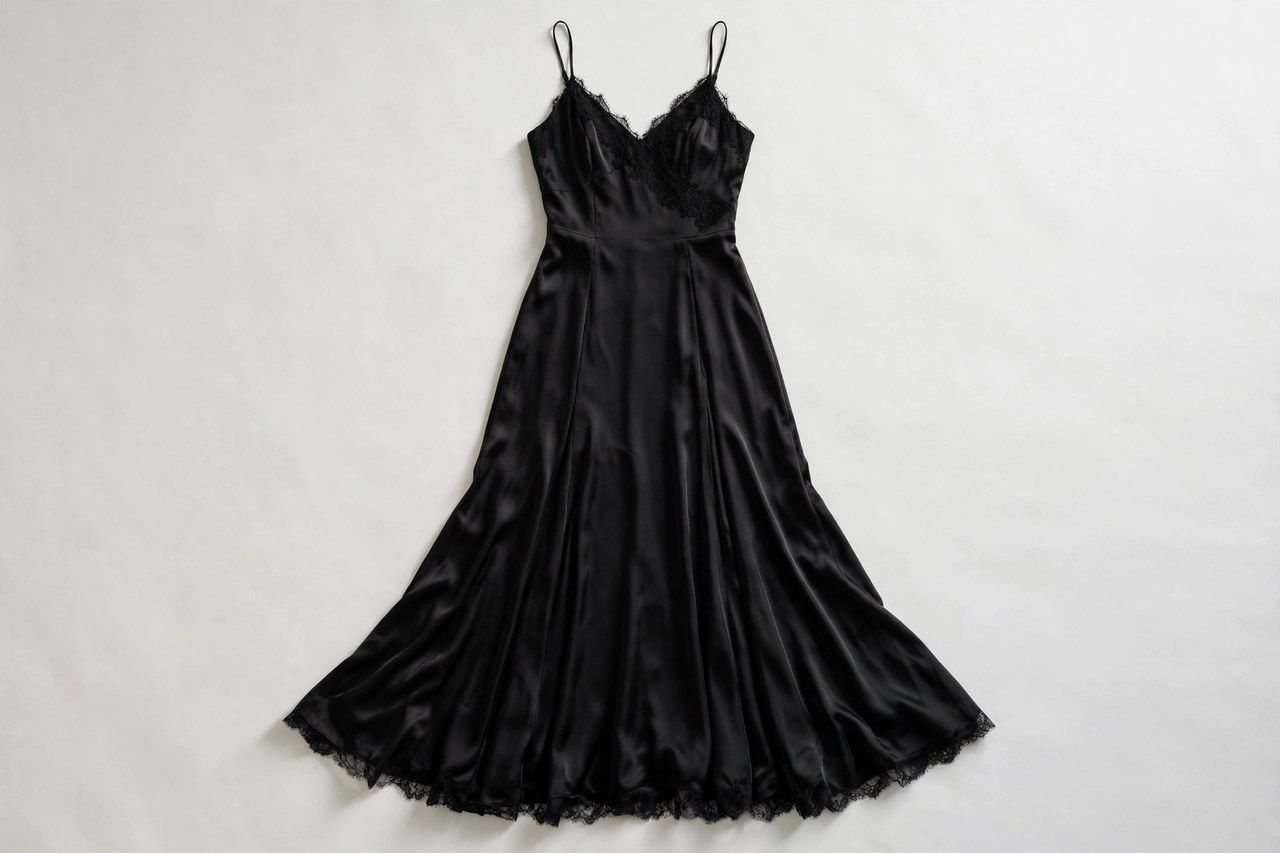
A dress is a one-piece garment that covers the body and extends down over the legs, in various lengths. Dresses in the evening category covered by this guide are distinguished by closer fit, finer fabrics and more deliberate finishes than day dresses — visually attractive, exciting or appealing styling, where the wearer's own aim is often to feel good in the garment rather than to please onlookers. The focus here is practical and product-based: silhouettes, fabrics, fit and the occasions each dress actually suits.
That construction-first approach is the reliable way to shop this category, because listings use evocative language that tells you little about the garment. A dress's real specification is measurable: its silhouette and seam placement, its fabric and lining, its closure, its hem length, and whether its finish — lace, sequins, mesh paneling or a plain crepe — is built into the garment or merely photographed well. The sections below read a dress that way.
Silhouettes: Slip, Sheath-Like and Little Black Dress
The little black dress is the category's reference point: a versatile evening dress that can be styled for a wide assortment of occasions, which is why it remains the safest single purchase in this group. The slip dress takes its cut from an undergarment form — bias-cut, strap-held, often with lace trim — and its fit depends entirely on the bias drape, so fabric quality shows immediately. Halter and strapless silhouettes shift support to neckline and bodice construction respectively, and should be judged on their internal structure, not their straps alone.
Other recurring construction features in this category include one-shoulder cuts, split hems, skin-tone mesh panels, cut-out details and sheer overlays, plus finishes in leather-look fabric, glitter, rhinestones and sequins. Treat each as a specification to inspect: a split should be reinforced at its top point, mesh should be firmly attached and smoothly finished at its edges, and a strapless bodice should contain boning or a structured band if it is expected to stay in place through an evening of movement.
Fabrics, Lining and Fit
Evening fabrics — satin, crepe, velvet, lace, sequined mesh and stretch jersey — differ chiefly in how much structure they bring. Woven satin and crepe need seams and darts to fit; stretch jersey and knit blends fit through elasticity and show every under-layer line, which makes the choice of smooth foundation garments part of the purchase. A lined bodice, finished seams and a properly set zipper are the quality markers that matter most, because this category's close fits put more strain on construction than a loose day dress ever does.
Fit checks are specific. The dress should allow sitting, stair-climbing and an evening of movement without riding, pulling or requiring adjustment; closures should lie flat under normal tension; straps and necklines should stay placed when you move, not only when you pose. Size by your largest relevant measurement and tailor the rest — evening dresses are among the most commonly altered garments, and a modest alteration budget turns a close fit into a correct one far more reliably than sizing down does.
Occasions and Dress Codes
Match the dress to the invitation's dress code, in writing where one exists. Cocktail, evening and party codes each imply a range of hem lengths, finishes and formality, and the same dress can sit inside one code and outside another. One caution matters for work-related events: for a work holiday party or business function, consider your employer's culture, business attire expectations and dress codes before choosing the most formal or most minimal option in your wardrobe, because the event is social and professional at once.
For non-work occasions — a night out with friends or a special date night, the deciding factors are venue, season and your own comfort over several hours. A dress that needs constant adjustment will not survive an evening gracefully, whatever its photograph promised. Keep one versatile, well-fitted dress, very often the little black dress, as the reliable default, and add more specialized silhouettes only when your calendar shows recurring occasions that genuinely call for them.
Care and Storage
Evening dresses are worn briefly and stored long, so storage does most of the damage. Hang structured dresses on wide, padded hangers, store heavy sequined or beaded dresses flat to keep their weight off the straps, and keep all of them in breathable garment bags away from direct light. Clean after each wear or store only after airing, because perfume, perspiration and spills set invisibly into satin, velvet and lace and are far harder to remove a season later.
Follow the label by fabric: many evening constructions are dry-clean only because of their lining, bonding or embellishment, and home washing a dress whose finish is glued rather than stitched can end it in one cycle. Press or steam exactly as the fiber allows, check zippers, strap attachments and split reinforcements before an event rather than during it, and repair a loosening strap at leisure. A dress bought for occasions deserves occasion-level maintenance — brief, specific and done before the invitation arrives.
Related Women's Guides
More to Explore on Apparel Search
Looking for Women's Clothing Stores?
This guide helps you choose women's evening dresses. To browse where to buy, visit our women's clothing store directory, where you can find retailers that carry them.