Reebok
Fashion Definitions — fashion brand profiles from Apparel Search
Search Apparel Search
At a Glance
Definition: Reebok is a producer of athletic footwear, apparel and accessories, founded as Mercury Sports in 1958 and renamed in 1960, whose name is the South African spelling of rhebok, a type of African antelope or gazelle.
Category: Fashion Definitions
Word Origin
The name is the South African spelling of the word rhebok, a type of African antelope or gazelle. Founders Joe and Jeff Foster found the name in a dictionary Joe Foster had won in a race as a boy — a South African edition, which explains the spelling.
Reebok International Limited is a producer of athletic footwear, apparel and accessories. The company was founded in 1958 as Mercury Sports and renamed Reebok in 1960. Its modern history is a sequence of hit shoes — the Freestyle in 1982 and the Pump at the end of that decade — followed by league uniform rights in American sport and, in August 2005, the announcement that its large rival Adidas would acquire it for $3.8 billion.
A Foster Family Line Back to Before 1900
Reebok's roots run back before 1900, to Joseph William Foster and his father Joseph B. Foster in Bolton, Lancashire. Their family business, J.W. Foster and Sons Limited — formed in 1939 by Joseph William's sons John and James — made the running shoes worn at the 1924 Summer Olympics by Harold Abrahams and Eric Liddell, the athletes celebrated in the film Chariots of Fire.
In 1958 two of the founder's grandsons, Jeffery and Joseph Foster, left the family business and started a rival company, first called Mercury Sports and renamed Reebok in 1960. In 1979 Paul Fireman, a partner in an outdoor sporting goods distributorship, spotted Reebok shoes at an international trade show, negotiated the North American distribution licence, and introduced three running shoes in the United States that year — at $60, then the most expensive running shoes on the market.
In 1984 the company was sold to a group of investors led by R. Stephen Rubin of Pentland Industries and Paul Fireman, who formed a UK holding company that became Reebok International Limited and later bought the J.W. Foster company as well. Joe Foster was retained to expand the company's operations outside the USA, which he did until 1990.
Freestyle, Ex-O-Fit and the Pump
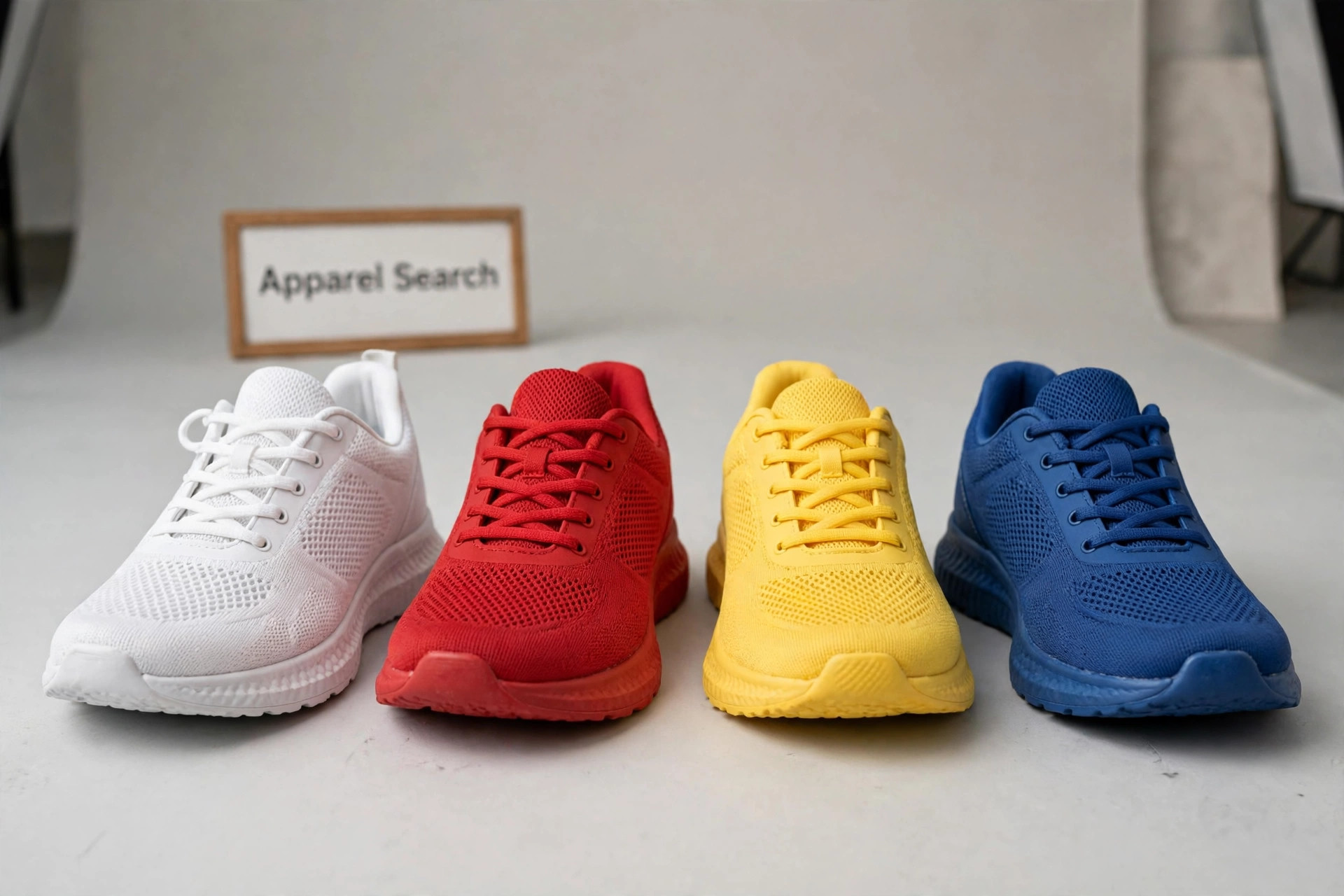
Reebok surged in popularity in 1982 with the Freestyle, an athletic shoe designed specifically for women, launched just as the aerobics fitness craze started. The Freestyle worked both as athletic wear and as street casual wear, and became an icon of the 1980s fashion scene in hi-top versions with two velcro straps at the top and colours including white, black, red, yellow and blue. Reebok continued to produce it for cheerleading, aerobic dancing and the gym.
The Ex-O-Fit followed for men, in low-top and hi-top versions like the Freestyle but with a single strap; one of its designers was the founder's son, David Foster. In the late 1980s the Pump line added an air bladder inflated by a small pump built into the shoe's tongue, holding the footwear tightly to the wearer's ankle for more aggressive manoeuvring — a sporting feature that also became a popular fashion element. Around 1993 an air transfer system was incorporated into the sole of the trainer.
League Rights, Sponsorship and Human Rights
Reebok held exclusive rights to manufacture and market authentic and replica uniform jerseys and sideline apparel for the National Football League from 2002, the National Basketball Association and the Canadian Football League from 2004, and the National Hockey League through its 2004 acquisition of The Hockey Company, and it was the official shoe supplier to the NFL, NBA and Major League Baseball. In April 2004 its footwear division became the first company accredited by the Fair Labor Association, and Reebok was a founding member that year of the Fair Factories Clearinghouse, a non-profit dedicated to improving worker conditions across the apparel industry.
In England the company kept a long-term sponsorship of Bolton Wanderers, whose new ground in the late 1990s was named the Reebok Stadium, and in 2003 it signed deals with West Ham United and Manchester City — the Manchester City deal alone worth almost £5 million over four years. Liverpool won the UEFA Champions League in 2005 wearing Reebok kit, Reebok supplied all eight team strips for the new Australian A-League, and it sponsored the Welsh national rugby team. Tennis player Andy Roddick's twelve-year endorsement ended in April 2005, while Venus Williams continued to be endorsed by the company.
Other Brands and the adidas Acquisition
The wider company included Rockport, Ralph Lauren RLX shoes, Greg Norman apparel, the hockey brands CCM, Koho and Jofa, Reebok Classic, G-Unit sneakers and S. Carter street lifestyle shoes and apparel. Its long model list ranged across the Classic Leather, Classic Nylon, Club C, Aztrek and Princess lines to the Court Victory Pump and Omni Lite Pump.
In August 2005 adidas announced it would acquire Reebok for $3.8 billion, a deal expected to be completed by the second quarter of 2006. The acquisition was set to increase adidas' market share in North America and strengthen its competition with Nike, the world's biggest maker of sports apparel.
Common Questions
Where does the name Reebok come from?
It is the South African spelling of rhebok, a type of African antelope or gazelle. Joe and Jeff Foster found the name in a South African dictionary Joe had won in a race as a boy.
What made Reebok surge in 1982?
The Freestyle, an athletic shoe designed specifically for women and launched as the aerobics craze started. It was worn both for exercise and as casual street fashion, and became an icon of the 1980s.
What was the Reebok Pump?
A late-1980s shoe line with an air bladder inflated by a small pump in the tongue, holding the shoe tightly to the wearer's ankle. Around 1993 an air transfer system was added to the sole.
When did adidas announce it would buy Reebok?
In August 2005 adidas announced it would acquire Reebok for $3.8 billion, with completion expected by the second quarter of 2006.