Fashion Editor Job Description
Leading fashion editorial content — the stories, shoots and pages through which magazines and fashion media interpret clothing for their readers
A fashion editor is a senior editorial journalist who decides what a magazine, newspaper fashion desk or digital fashion publication says about fashion — and how it looks saying it. The editor commissions features, directs fashion shoots, edits writers' copy, shapes the fashion pages or channels of the publication, and carries responsibility for their quality, accuracy and commercial pull. It is a leadership role in fashion media, reached through reporting, writing and styling ranks, and it is about content: the fashion editor's product is stories and images that readers trust, enjoy and return for. This page explains the editorial desk.
More Marketing Job Descriptions by Letter:
What a Fashion Editor Does
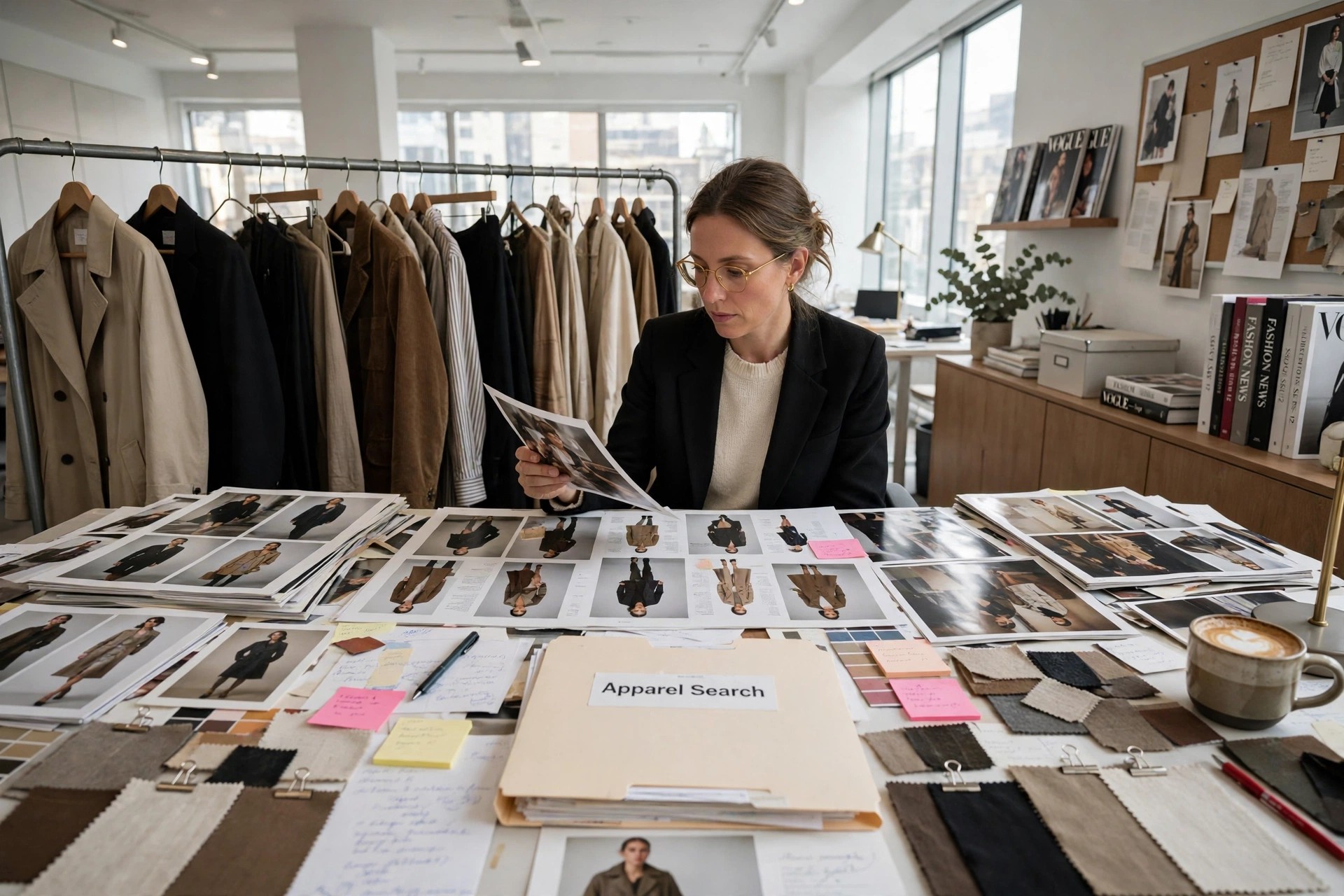
The editor plans the fashion coverage of each issue or publishing cycle: news stories, trend features, designer profiles, shopping pages and the fashion editorials — the photographed stories that are a fashion title's signature. Planning means knowing the season before readers do: attending the collections and press days, tracking which designers, pieces and ideas will matter, and assigning stories to staff writers, freelancers and stylists with deadlines set backwards from publication. Commissioning is an editor's central craft, because a publication is largely the sum of what its editors thought to ask for.
Production turns commissions into pages and posts. The editor briefs photographers and stylists, calls in the garments shoots require, attends key shoots to direct them, selects the images that survive, and edits copy line by line — sharpening leads, cutting padding, checking facts, names and prices, and writing headlines and captions that sell the story honestly. Layout and digital presentation are reviewed with art and web teams, legal and standards questions are settled, and the finished fashion section goes to press or live under the editor's name and responsibility.
Editorial Judgement and the Fashion Media Business
Editorial judgement is the job's invisible core: an instinct, trained by years of reading and looking, for which story matters, which image leads, which designer is genuinely rising and which is merely loud. Fashion editors exercise it inside a commercial reality — publications live on readers and advertisers, fashion pages must serve both without serving the advertisers' interests in disguise, and the editor guards that line. Credibility is the currency: readers follow editors whose taste and honesty they trust, and a fashion editor's personal reputation becomes part of the publication's brand.
The work environment is a media office wrapped around the fashion calendar: press days and collections in the fashion capitals, shoots in studios and on location, long production weeks at issue close, and — in digital publishing — a continuous daily cycle of news, shopping content and social distribution layered over the print rhythm. Travel is built into senior fashion editorial life, and so is public visibility: editors are interviewed, photographed and followed as interpreters of fashion in their own right, a profile that belongs to this desk and not to most journalism.
Skills and Abilities the Role Requires
Writing and editing sit first: the editor must be able to make any writer's copy better and to produce excellent copy personally when the story demands it, in the publication's voice as readily as their own. Visual literacy is equal in rank — fashion is read in images, and the editor directs photography, styling and layout with a precise eye for composition, casting and the difference between a striking picture and a merely expensive one. Fashion knowledge must be deep and current: designers, houses, history, retail and the business underneath the glamour.
Management and production skills carry the rest: running a desk and its budgets, developing junior writers and assistants, negotiating with publicists who want coverage and photographers who want more pages, and holding immovable deadlines under the pressure of the close. Digital skills — search, social formats, audience analytics and video — are now part of the senior editor's toolkit, used with the same judgement as print craft: the channels change, the editorial standards are the job.
Qualifications, Training and Career Path
Fashion editors are made by journalism and fashion experience rather than a single qualification: degrees in journalism, English, fashion or related fields are common, but the record that hires is published work — reporting, features, editing and shoots that demonstrate voice, taste and reliability. The classic route runs from editorial assistant through fashion writer and junior editor positions to senior roles, collecting contacts, production experience and a public body of work at every step. Internships and assistant roles at fashion titles remain the standard point of entry, fiercely competed for.
Progression leads to fashion director and editor-in-chief roles, where responsibility widens from the fashion desk to the whole publication, and to digital leadership of fashion channels and audiences. Experienced fashion editors also move into brand editorial and content leadership, consultancy, and books and broadcasting about fashion. The desk's scarcity protects it: there are few senior fashion editors, their reputations are personal, and the industry knows each of them by the work their pages have done.
Common Questions
How is a fashion editor different from a fashion writer?
The writer produces stories; the editor decides which stories exist — commissioning, directing shoots, editing other writers' work, and carrying responsibility for the fashion pages as a whole. Senior writers may do some of this, but the editor's desk owns the section.
Does a fashion editor style the shoots?
The editor directs the fashion content and briefs and supervises stylists; on some titles the senior fashion editor also styles major editorials personally. Either way the editor is accountable for the result — the story told, the clothes chosen and the images published.
How do you become a fashion editor?
Build a published record: enter fashion media through internships and editorial assistant roles, progress through fashion writing and junior editor positions, and develop the commissioning, editing and shoot-direction experience that senior editorial appointments require.
More to Explore
- Fashion Employment Agencies
- Employment Search Engines
- Fashion Job Description Directory
- Fashion Directory
- Fashion Industry News
- Fashion Newspaper
- Fashion Blogs
- Fashion Schools and Education
- Fashion Careers
- Apparel Industry Links
- Online Fashion News and Magazines
- Fashion Books
- Fashion Book Directory
- Public Relations
- Fashion Week