Fashion Assistant Job Description
The industry's entry desk — supporting designers, buyers, editors and showrooms by keeping samples, schedules and people organised
A fashion assistant is the support role on which much of the fashion industry quietly runs. Attached to a designer, a buying team, an editor, a showroom or a stylist, the assistant keeps that person's working world organised: samples tracked and ready, diaries and appointments managed, deliveries chased, travel and meetings arranged, callers and visitors handled, and the small crises of a fashion office absorbed before they reach the principal. It is the industry's classic first job — not glamorous in the doing, but unmatched as a place to learn how fashion actually works. This page explains the assistant's desk.
More Miscellaneous Job Descriptions by Letter:
What a Fashion Assistant Does
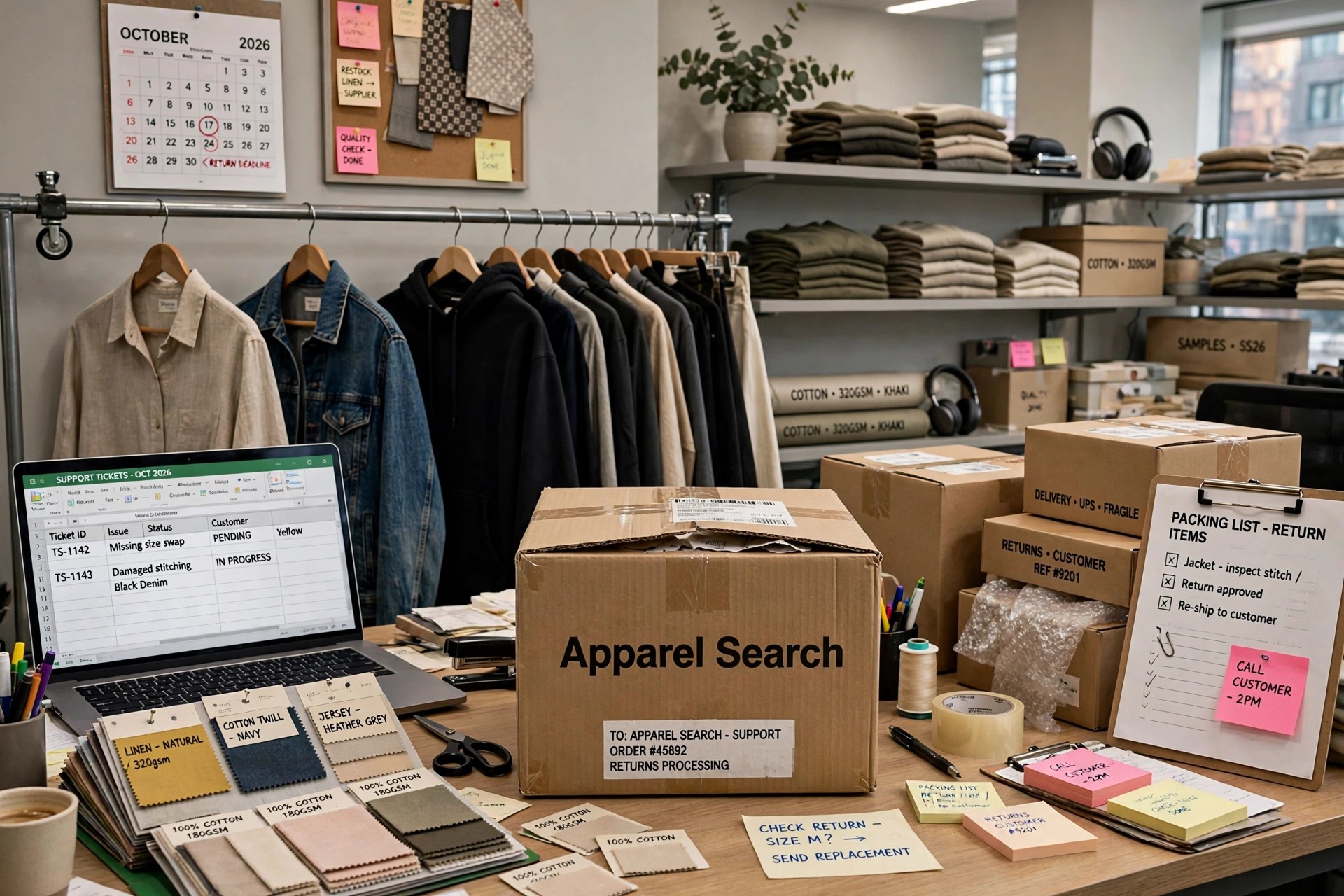
Sample management is the role's physical core. Collections live as samples that move constantly — to buyers, editors, stylists, photographers and back — and the assistant logs every piece out and in, prepares samples for appointments and shoots, arranges couriers and returns, and hunts the missing garment before it becomes a problem. Alongside the rail, the assistant runs the paper and digital flow of the office: maintaining calendars and contact lists, booking meeting rooms and show appointments, preparing line sheets and lookbooks, filing invoices and expense records, and keeping the team's shared information current.
The second half of the job is people. The assistant answers and filters enquiries, greets buyers and press at appointments, supports market weeks and showroom presentations, and represents the team professionally to everyone who contacts it. During the industry's peak moments — fashion weeks, range reviews, photo shoots, trade shows — assistants become production support: dressing, steaming, packing, listing, fetching and fixing, for long hours, at speed. The variety is the point: no two days present the same list, and the assistant who thrives is the one who enjoys making order out of a moving day.
The Work Environment and What It Teaches
Fashion assistants work wherever their principals work: design studios, head-office buying floors, magazine offices, PR showrooms and wholesale showrooms, with travel to shoots, shows and appointments as the calendar demands. The pace follows fashion's seasons — intense around collection launches, market weeks and publication deadlines, steadier between them — and the assistant sits close to senior people doing consequential work, which is precisely the education the role offers. Watching a buyer range a season, a designer fit a collection or an editor close an issue teaches judgement no course replicates.
That education is the role's real wage structure. Assistants learn the industry's vocabulary, calendar and etiquette; they meet the buyers, editors, suppliers and photographers who will matter throughout their careers; and they discover, from the inside, which department they actually want to build a career in. Employers know this, and good principals treat the assistant desk as a proving ground: the assistant who is accurate, discreet and unflappable under load is remembered when the next associate-level opening appears, in that team or in the teams they have dealt with.
Skills and Abilities the Role Requires
Organisation is the headline skill — not tidy-desk theatre, but working systems for samples, dates, documents and follow-ups that other people can rely on without checking. Accuracy matters in the details assistants touch constantly: names, prices, sizes, delivery dates and appointment times, where a transposed digit becomes somebody's missed meeting or missing garment. Communication skill runs alongside: clear written messages, a professional telephone and email manner, and the judgement to know what to handle, what to pass on and what to escalate immediately.
The supporting qualities are character as much as technique. Discretion is essential, because assistants see unreleased collections, unannounced appointments and commercially sensitive numbers. Energy and stamina carry the peak weeks. Practical digital fluency — spreadsheets, calendars, shared drives, basic image and document handling — is assumed, and a genuine interest in fashion shows in the quality of attention an assistant gives the product: the assistant who knows why one sample matters more than another is already doing the next job in embryo.
Qualifications, Entry and Career Path
There is no single required qualification for fashion assisting. Employers hire for organisation, reliability, presentation and attitude, with fashion-related study — fashion business, buying, design, media or communications — a useful foundation rather than a ticket. Internships and work experience are the standard proving route: most assistants are hired from intern pools, temporary showroom and fashion-week work, or administrative roles in adjacent industries where they demonstrated exactly the skills the desk needs. A clean, specific application that shows knowledge of the team being joined beats a generic declaration of passion every time.
The career path is the role's fame: assistants become assistant buyers, design assistants, editorial assistants, showroom coordinators and PR assistants, then climb the ladder of the department they served. Others use the breadth of the assisting year to choose deliberately between design, buying, media and sales — a choice made with evidence instead of guesswork. The assistant period is short by design, usually one to three years; its purpose is to be learned from thoroughly and then left, carrying its contacts, calendar knowledge and professional habits into the specialist role that follows.
Common Questions
What does a fashion assistant actually do all day?
Sample tracking and preparation, diary and appointment management, deliveries and couriers, documents and line sheets, visitor and caller handling, and production support at shows, shoots and market weeks — the organisational work that lets a designer, buyer, editor or showroom function.
Is fashion assisting a good first job in the industry?
Yes — it is one of the standard entry points precisely because it teaches the calendar, vocabulary and people of the industry from inside a working team, and assistants are first in line for associate openings in the departments they support.
What qualifications do fashion assistants need?
No single qualification is required. Employers hire for organisation, accuracy, discretion and digital fluency; fashion-related study helps, and internships or showroom experience are the usual way to prove readiness.