Chairman Job Description — Board Chair
Leading the board, not the business — governance, oversight and succession at the top of an apparel company
The chairman — the chair of the board of directors — leads the body that governs an apparel company. The chairman does not run the business: that is the chief executive's job, and keeping the two apart is the chairman's first discipline. The chairman's work is governance — chairing board meetings, ensuring the company is directed and controlled properly, overseeing strategy rather than setting it, appointing and supporting the CEO, protecting shareholders' interests and planning who leads the company next. In founder-led fashion businesses the chairman is often the founder or a member of the owning family; in listed companies the role is a senior independent appointment. This page explains the board chair's desk.
More Miscellaneous Job Descriptions by Letter:
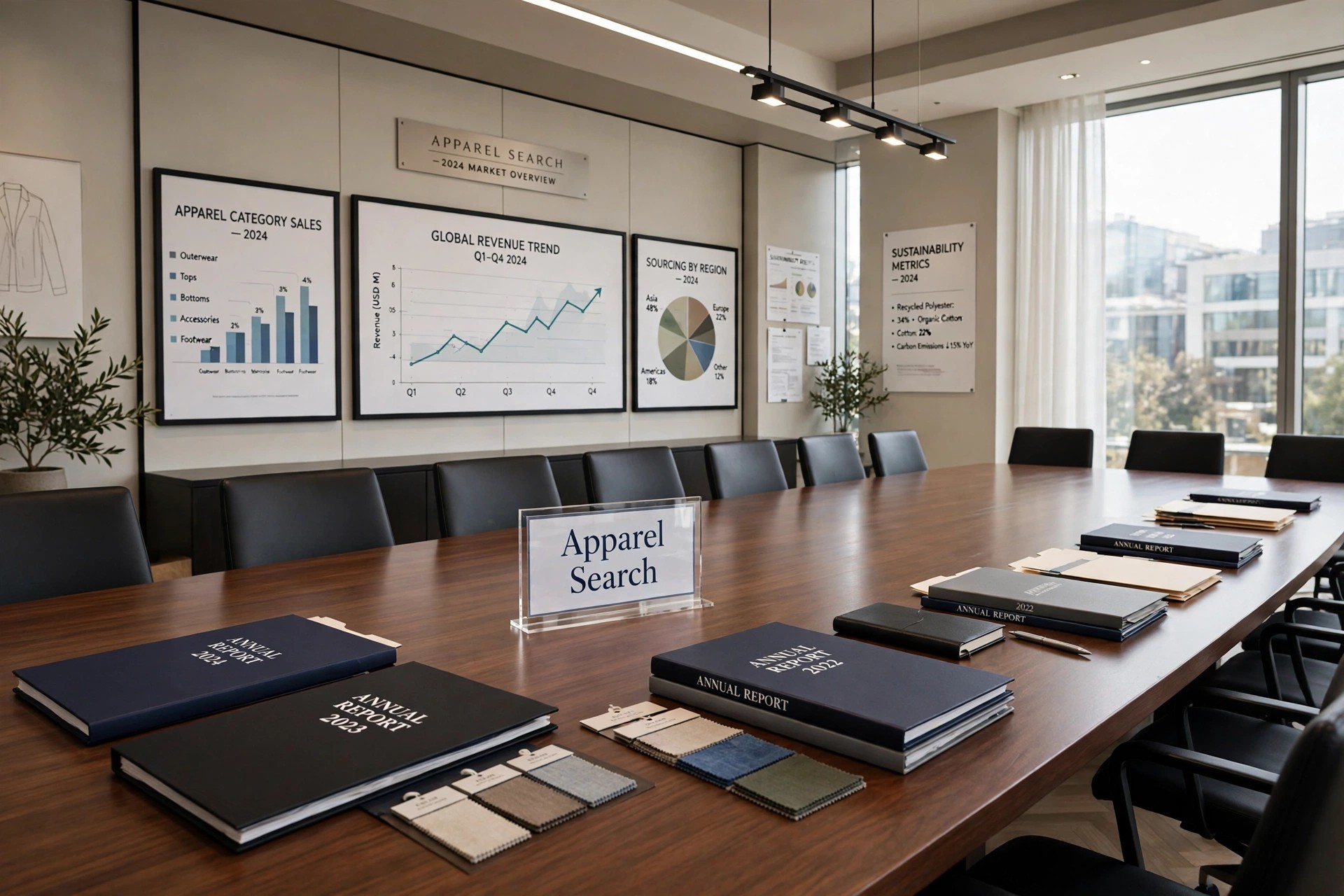
What a Chairman Does
The board meeting is the chairman's instrument. The chairman sets its agenda with the CEO and company secretary, ensures directors receive honest and complete information in time to judge it, chairs discussion so every director is heard and the executive is genuinely challenged, and sees that decisions are recorded and followed up. Between meetings the chairman leads the board's committee structure — audit, remuneration and nominations committees doing their detailed work on accounts, executive pay and appointments — and conducts the board's own evaluation of its effectiveness. Good chairing is invisible when it works: meetings that decide real things, on real information, in the time allowed.
The chairman's second field is people at the very top. The board appoints the chief executive, and the chairman leads that selection, agrees the CEO's objectives, appraises performance and — when the time comes — manages succession or departure with the least damage to the company. The same duty extends to the board itself: recruiting non-executive directors with the skills the company needs, inducting them into the business, and refreshing the board as strategy changes. In fashion companies this means boards need directors who understand brand, product and retail alongside the financial and governance expertise every board requires.
Shareholders and stakeholders form the third field. The chairman is the board's representative to investors — available to major shareholders on governance, pay and succession questions, chairing the annual general meeting, and standing as the company's assurance that it is properly run while its executives pursue results. In a crisis — a profit collapse, a scandal, a CEO departure — the chairman becomes the company's steady public point of governance, coordinating the board's response while the executive manages the business through it.
Governance Is Not Management: The Line the Chairman Holds
Everything in this role depends on one boundary: the board directs and oversees; the executive manages. The chairman who starts instructing department heads, redesigning ranges or negotiating with suppliers has abandoned governance and undermined the CEO the board appointed — and fashion, full of founder-chairmen with strong product opinions, tests this line constantly. The experienced chairman channels industry judgement into board questions and strategy debate, where it strengthens decisions, and keeps operational authority visibly with the chief executive, whose accountability depends on it.
The time pattern matches the boundary. A chairman's commitment is part-time in form — board and committee meetings, preparation, shareholder and CEO time across the year — but continuous in responsibility: the chairman must be reachable in a crisis and current on the business at all times, visiting stores, reviewing trading and knowing the executive team below the CEO well enough to judge succession honestly. Independence is the role's currency where the chairman is not the founder: shareholders trust the board's oversight because the person leading it has no executive interest to protect.
Skills, Experience and Personal Qualities
Chairing is a craft of its own: running a meeting of strong, senior people to real conclusions; reading board information critically and knowing which question exposes the weak assumption; and handling conflict — between directors, or between board and executive — without letting it become damage. Governance literacy is required substance beneath the craft: directors' duties, financial reporting, risk oversight, executive remuneration and the listing or ownership rules the company lives under, all understood well enough to lead specialists rather than be led by them.
Experience is the qualification. Chairmen are almost always former senior executives — frequently former chief executives — or long-serving non-executive directors who have chaired committees and learned the boardroom from inside. In fashion, that experience is ideally joined to industry knowledge: an understanding of brand value, seasonal risk and retail economics that lets the chairman judge whether the CEO's strategy fits the business. Judgement, integrity and discretion complete the profile; the chairman hears everything sensitive the company knows.
Appointment, Tenure and Where Chairmen Come From
Chairmen are appointed by the board itself, on the recommendation of its nominations committee, and in listed companies shareholders elect and re-elect them as directors. Founder and family chairmen arrive by ownership rather than appointment, a route common in fashion where many significant companies remain founder-led; their governance challenge is the mirror image — building a board strong enough to challenge the person who owns the business. Tenure is conventionally limited, with independence expected to fade after long service, and succession for the chair is itself a board duty planned years ahead.
The role is usually a portfolio destination rather than a step upward: a chairman may chair one company while holding non-executive directorships elsewhere, bringing each board the pattern-recognition of the others. Read alongside the CEO description in this letter, the two pages describe the top of an apparel company as a partnership of opposites — an executive empowered to run the business boldly, and a board, led by its chairman, charged with making sure it is run well. Both are fashion careers, rewarding almost opposite temperaments.
Common Questions
What does a chairman do in a fashion company?
Leads the board of directors: chairing board meetings, overseeing strategy and risk, appointing and appraising the chief executive, leading on governance and shareholder relations, and planning leadership succession. The chairman governs the company rather than managing it.
How is a chairman different from a CEO?
The CEO is the senior executive who runs the company day to day and is accountable to the board. The chairman leads that board — setting its agenda, ensuring real oversight and challenge, and representing governance to shareholders — without holding executive authority.
Who becomes a chairman?
Usually a former chief executive or senior executive, or an experienced non-executive director; in founder-led fashion businesses, often the founder or a member of the owning family. Board experience and governance knowledge are the essential credentials.